Museum Audio Guide Supplier: What Importers Should Check
Compliance Is Revision-Specific, Not Model-Wide
CE RED, UKCA and FCC approvals apply to each hardware revision, not the product name. For example, the G1 AI Guide Player carries EN 300 328 (radio), EN 301 489-3 (EMC), and EN 62368-1 (safety) only for the revision booked with the lab — not earlier or later builds. Documentation is issued per batch, and firmware updates require retesting if they affect RF output, power management or audio processing latency. This is why every order includes a CE RED document checklist for verification, and why importers must retain the test report number and revision stamp with customs filings.Battery Labelling and Transport Compliance Are Non-Negotiable
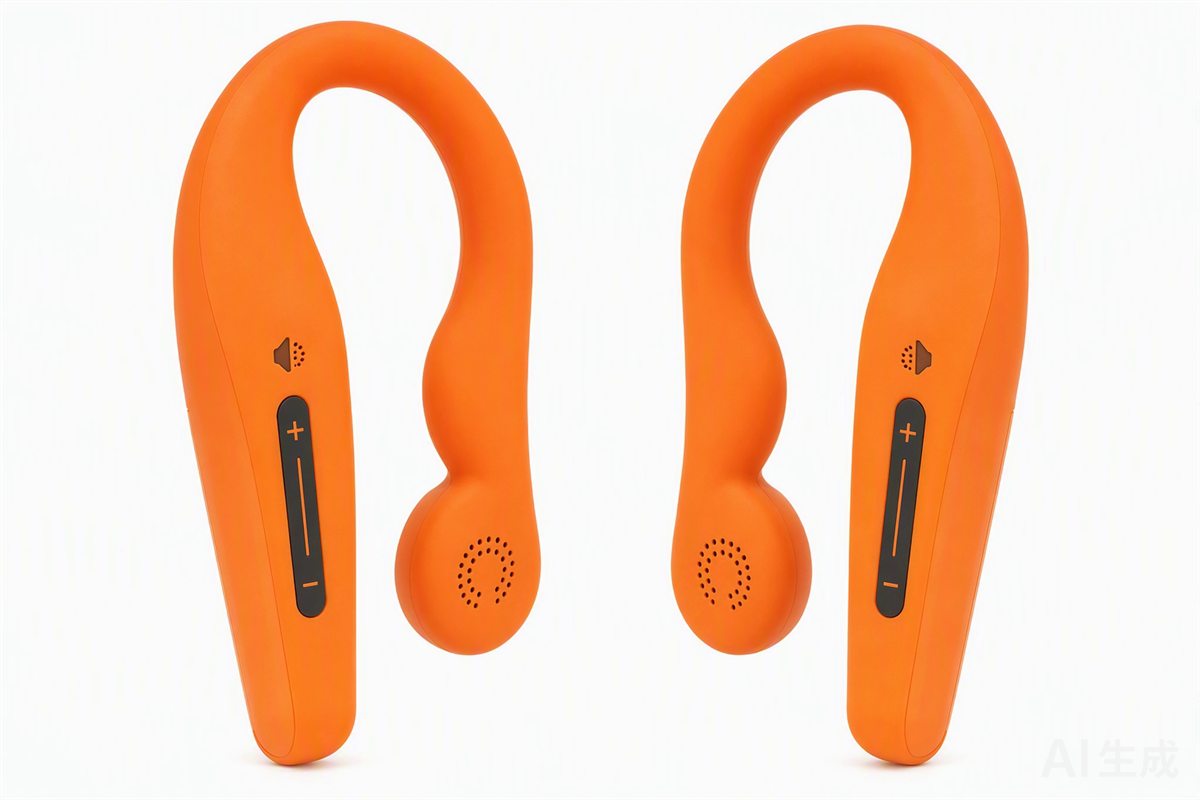
Every power bank, portable charger or rechargeable audio guide must ship with UN38.3 test summary, SDS, and watt-hour rating printed visibly on the unit. No capacity or cycle figure is quoted until the datasheet exists for that revision — meaning importers cannot rely on prior model specs. This applies equally to the G2 Open-Ear Guide Receiver and the VOX Guide AI Tour Glasses. If the label lacks Wh, or the SDS omits thermal runaway data, the shipment may be detained at EU or UK border points. WingPhoenix books UN38.3 per revision — not per product line — and supplies full documentation with the first order of each build.Firmware and App Scope Must Match the Safety Certification
White-label firmware or app integration is available from 2,000 units, but only within the functional boundaries tested for EN 62368-1 and EN 301 489. That means no added Bluetooth broadcast modes, no external microphone triggering outside the declared use case, and no firmware logic that increases RF exposure beyond EN 300 328 Class 1 limits. Translation output remains reference-only as defined for the A1 Pocket Translator; it does not constitute certified legal or medical translation. Any deviation requires a new lab booking — which importers must initiate before launch.Toy Safety Is Triggered by Packaging — Not Function
An audio guide becomes subject to EN 71-1/-2/-3 and EN 62115 only if the packaging declares an age grade under 14 years. That decision sits with the importer, not the factory. WingPhoenix books toy safety testing per build — but only when instructed and only for the declared age range. The AI Audio Guides line includes models used in children’s exhibitions, yet none are classified as toys unless marked as such on the box. This distinction affects lab scope, labelling, and WEEE registration — and must be confirmed before the first production run.What This Process Cannot Do
WingPhoenix does not provide real-time transcription, speaker diarisation or ambient sound classification. No audio guide model supports offline voice command parsing beyond preloaded trigger phrases, and no firmware revision includes machine learning inference that exceeds the memory and thermal envelope validated for EN 62368-1. There is no published test report for ASR accuracy, latency under 70 dB(A) noise, or multi-speaker separation — and importers should reject any supplier claim implying otherwise. The U1 Scenic Guide Robot uses similar audio stacks, but its compliance scope adds LiDAR class 1 laser statements and full risk assessment — not audio performance benchmarks.Procurement Checklist: Before You Approve the PO
| Check | Why It Matters | Where to Verify |
|---|---|---|
| Hardware revision matches lab report number | CE RED and FCC are invalid if revision differs from test sample | Factory test certificate, packed with order |
| Battery Wh rating printed on unit | Required for EU/UK customs clearance and transport safety | Physical unit, UN38.3 summary, SDS |
| Age grade declared on packaging | Determines whether EN 71 and EN 62115 apply | Artwork proof, signed by importer |
| Firmware version matches test scope | Changes to audio processing or RF behaviour invalidate EMC | Firmware release note, lab report annex |
| OEM/ODM scope signed off before tooling | Prevents revision mismatches between design and certification | OEM/ODM services page |
| Importer holds EORI/VAT for WEEE/BattG | Legal responsibility lies with importer, not supplier | Local authority registration, not factory docs |
| Rental cabinet compatibility confirmed | The G3 Rental Cabinet requires specific charging pinout and firmware handshake | Integration spec sheet, not general catalogue |
- Confirm firmware white-label minimums and revision lock-in before signing the OEM agreement here
- Request the UN38.3 summary and SDS before approving final artwork how we build and test
- Book CE RED lab testing early — allow 4–6 weeks for turnaround checklist
- Verify age grading on packaging proofs — this triggers toy safety lab booking full catalogue
- Match G3 Rental Cabinet firmware requirements with your existing fleet before placing the first order cabinet specs
Questions buyers ask
What makes a reliable museum audio guide supplier?
A supplier that aligns firmware functionality with CE RED and EN 62368-1 test scopes, ships UN38.3 and SDS with every battery order, and books toy safety testing only where packaging declares an age grade under 14 years.
What does finance need to know about MOQ and sample terms?
Standard MOQ is 500 units; logo or custom packaging raises it to 500 or 1,000 respectively; firmware white-label requires 2,000 units; sample cost is credited against mass production and lead times are documented per configuration <a href="https://wingphoenixai.com/resources/moq-sampling-lead-times/">here</a>.
What happens if a sample fails EMC or battery labelling in pre-market checks?
The unit is retested at the same accredited lab for the same hardware revision; no new certification is issued unless the revision changes, and all documentation is tied to the exact build shipped — see how we build and test <a href="https://wingphoenixai.com/factory/">here</a>.
What do most suppliers avoid clarifying about AI audio guides?
That “AI” refers only to on-device speech enhancement and multilingual playback logic — not real-time transcription, speaker identification or ambient noise suppression beyond the EN 301 489-3 test scope. No model supports live cloud-based language switching without a separate app dependency.
Related: more on ai audio guides · buyer guides · customisation tiers