
AI Robots, Sold as a Machine and Serviced as a Project

Updated 21 Oct 2026 · line pages list every model with its published specification

Humanoid, companion and learning robots for attractions, exhibition halls, hospitality lobbies, care programmes and classrooms. A robot is accepted on a floor, not on a spec sheet — so this page states the deployment questions, the documents and the limits before anybody talks about price.

  • Venue projects quoted per site
  • Companion and education models from 1,000 units
  • Risk-assessment input supplied
What this line is for

The robot is the easy part; the deployment is the order

Every buyer who has ever run a machine in public learns the same lesson: the walking, talking object is a minority of the purchase. The rest is who supervises it, what happens on the third wet morning, which part fails first and how fast a replacement is on a shelf in your country. Those answers decide whether the machine is still running in month eight.

We build these machines in Shenzhen, and we sell them the same way to a theme park group and to a single care home: an acceptance list is written before the pilot starts, the stop behaviour and supervision model are agreed rather than assumed, and the spares decision is taken at order time instead of after the first failure. Where a deployment is genuinely a route, a schedule and a duty of care rather than a shelf SKU, we quote it as a project — service robot programmes start at 50 units per project.

Each model page also states what the machine is not. That is not modesty; it is the sentence that keeps a tender honest. A companion robot does not detect falls or take vital signs. A humanoid on an authored route is not autonomously navigating a crowd. A learning robot whose box targets children under 14 triggers a toy test scope that changes both the documentation and the calendar. Saying it before the contract is cheaper than saying it afterwards to a regulator.

A humanoid robot greeting visitors in front of an audience
A show-paced greeting in front of an audience — supervised, on an authored route.
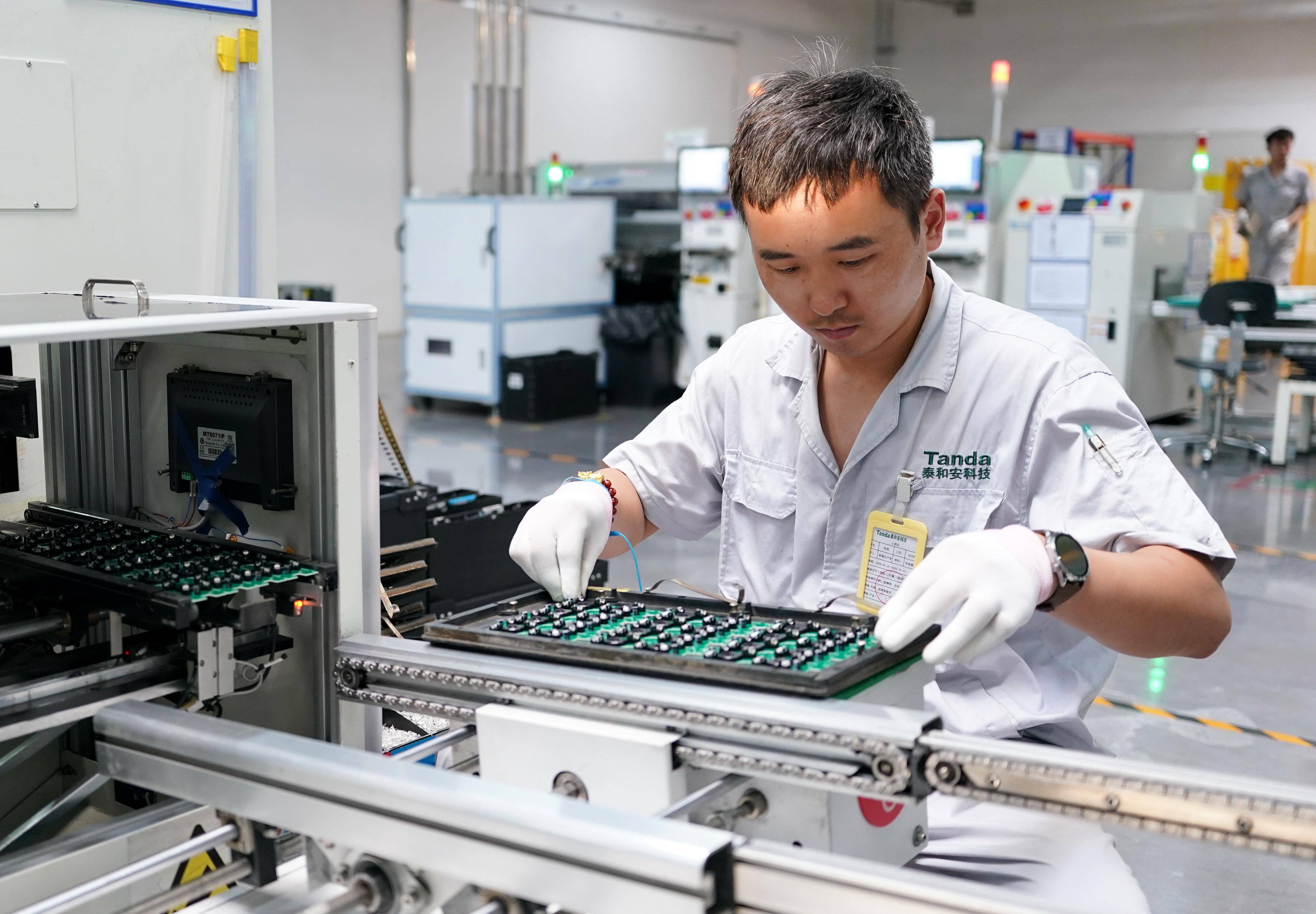
Learning robots assembled and tested on a production bench
Assembly and functional test before a robot order is packed.
Full-size humanoid robot photographed from the front
Two-legged flagship

U1 Humanoid Robot

A full-size bipedal robot hired for the four jobs a venue can actually measure: scenic and museum guiding, stage and show content, greeting and photo interaction, and seated activity sessions in care programmes. It walks on paved and indoor flooring at a show pace on an authored route, with an operator holding a stop control and a floor plan that keeps cables, steps and wet surfaces out of the path.

It is quoted as a project, because that is what it is: the project pack fixes the route and script, the language scope, whether speech runs on the device or through a cloud service, the training, the spares list and the service terms. We supply the risk-assessment input and the stop behaviour for the build being quoted, and we do not describe it as autonomously navigating crowds.

Guiding · stage · greeting · care programmesRisk-assessment inputProject quotation
Roles
Guiding, shows, greeting, activity sessions
Movement
Two-legged, show pace, authored route
Supervision
Operator with stop control
Speech
On-device or cloud, decided per project
Ordering basis
Project pack, then purchase order
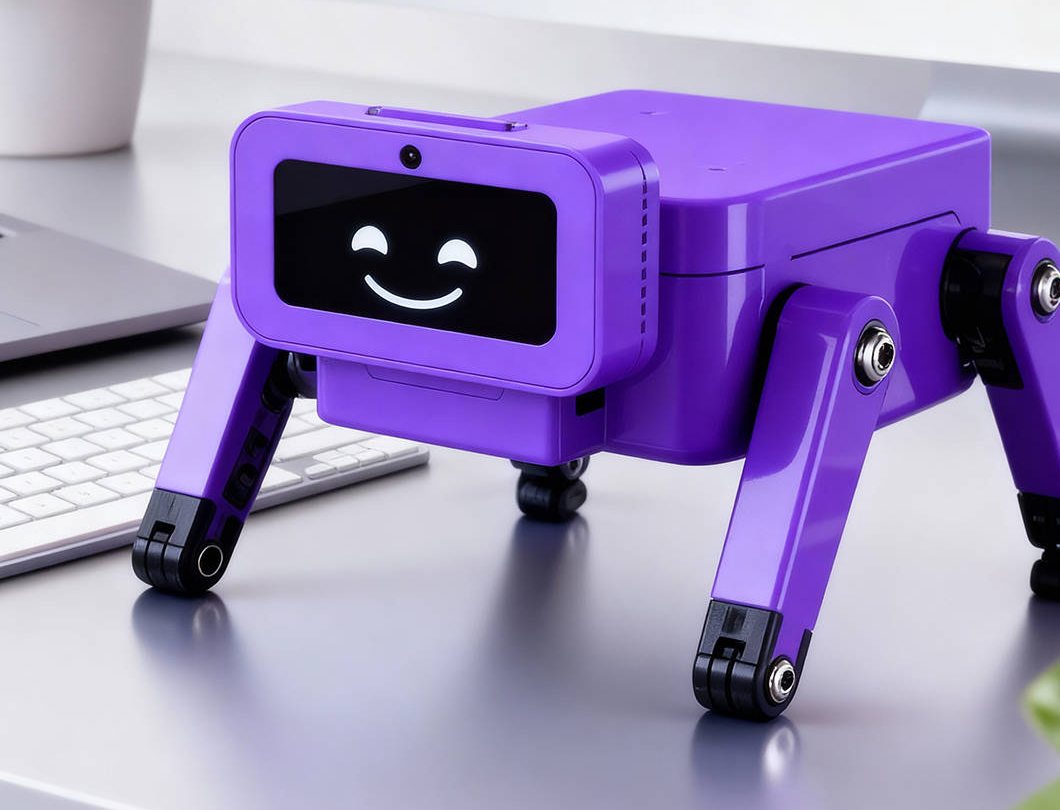
Desktop companion robot photographed from the front
Homes and care programmes

K1 Companion Robot

A desktop companion for family and care use: reminders, music and radio from a local queue, stories and songs stored on the unit, and a relay to a family call when the resident wants a person. It is specified for care settings because the two controls a privacy officer asks about are physical — no camera fitted as standard, and a microphone kill switch the resident can see and operate.

The order question that matters most is not a feature but a decision: adult or family positioning keeps the standard radio and electrical scope, while packaging, imagery or age grading that targets children under 14 triggers the toy route and adds EN 71 and EN 62115 testing. Fix the age on the box before we price it. Companion models carry a 1,000-unit minimum per order, with white-label app work at the firmware tier.

Camera-free by defaultHardware mic kill switchMOQ 1,000 units
Placement
Desktop, not mobile
Core use
Reminders, music, stories, family call relay
Privacy
No camera as standard; mic kill switch
Offline scope
Local features run with no network
Age grading
Adult or toy route — decides the test plan
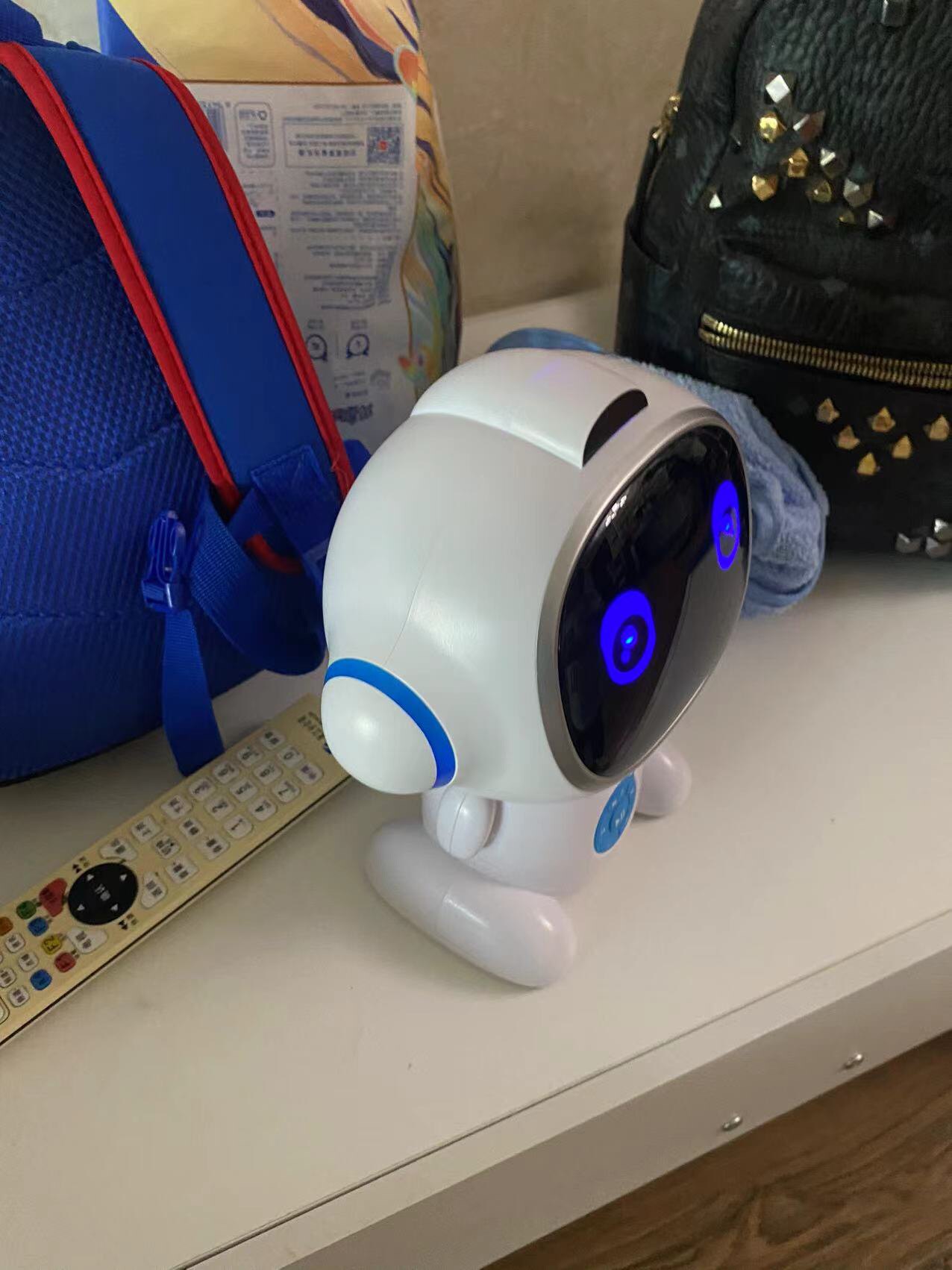
AI learning robot photographed from the front
Classroom and home learning

E1 AI Learning Robot

A learning robot built around voice practice a parent or teacher can hear: a 2.4-inch face, a four-microphone array, and core English and German commands recognised on the device. Phonics, sight words, numbers, poems and bedtime questions ship in the standard firmware, and your own curriculum is flashed at the firmware tier without touching the hardware.

The privacy architecture is the reason schools shortlist it: the optional cloud language service can be switched off permanently in the parent app, the hardware kill switch disconnects the microphone, a camera shutter is fitted, and the default build uploads nothing. Education and companion models are quoted at 1,000 units per order, with the age grading decided before the test scope is booked.

On-device EN and DEMic kill switch · cam shutterMOQ 1,000 units
Interaction
2.4-inch face, 4-mic array
Voice scope
On-device EN and DE, cloud optional
Content
Phonics, sight words, numbers, Q&A
Privacy controls
Kill switch, shutter, cloud off
Scope
CE RED, FCC, EN 71 route by age grading
Side by side

Which robot fits the job, and how it is ordered

Autonomy is a supervision decision, not a marketing line. Documents and test scope are issued per model and hardware revision; confirm them before a tender is submitted.
ModelWhere it worksMovementCamera and microphoneOrdering basis
U1 Humanoid RobotScenic areas, exhibitions, lobbies, care activity programmesTwo-legged, show pace, authored routePer build; speech on device or cloud decided per projectProject quotation
K1 Companion RobotHomes, care homes, family programmesDesktop, not mobileNo camera as standard; hardware mic kill switchCatalogue model, 1,000 units per order
E1 AI Learning RobotClassrooms and home learningDesktopCamera shutter and mic kill switchCatalogue model, 1,000 units per order
Venue and fleet programmesRoutes, schedules and duty cycles rather than a shelf SKUDepends on the platformConfirmed per configurationService robots quoted from 50 units per project

Sampling and production follow the published policy: stock samples in 3–5 days, configured units in 7–15, mass production 25–35 days after an approved sample and deposit, EXW, FOB Shenzhen or DDP by air or sea. A robot deployment adds the site work: route survey, training and the spares shelf.

What we will not print on a robot page: that a companion robot detects falls, reads vital signs, alerts staff or replaces an emergency call; that a humanoid navigates a crowd autonomously; that any machine runs with a guaranteed uptime. A walking machine near people is a documented risk assessment plus a supervision model, and tender text or artwork that implies clinical monitoring or unsupervised operation is declined before supply. Where a LiDAR is fitted, expect a class 1 laser statement; where a self-propelled cleaning machine is involved, the safety scope adds EN IEC 60335-2-79 — all booked with an accredited laboratory per hardware revision.

Questions robot buyers ask first

Are robots ordered from a catalogue or as a project?
Both, and the difference is written into the quotation. K1 and E1 are catalogue models on the standard ladder, with companion and education models at 1,000 units per order. U1 and venue deployments are quoted as projects, and service robot programmes are quoted from 50 units per project: the project pack defines route, script, training and service terms before a purchase order exists.
What does a pilot have to decide before it starts?
An acceptance list written before the first day on site: the operating area and floor plan, who supervises and what they can stop, the speed and proximity limits, the content and language scope, the network reality of the building, and which parts get replaced locally. We supply the risk-assessment input and the stop behaviour for the build being quoted, and we would rather disagree about that list in week one than in a review after deployment.
Which documents come with a robot order?
Expect an EMC and low-voltage scope for the machine, a class 1 laser statement where a LiDAR is fitted, a documented risk assessment, and the radio set for any fitted module under RED and FCC with the band list confirmed per market. For a self-propelled cleaning machine the safety scope adds EN IEC 60335-2-79. Scope is issued per model and hardware revision, booked with an accredited laboratory, and we state plainly which reports do not exist yet.
Is a companion robot a medical or care device?
No. In a care setting these machines greet, remind, play music, lead a seated activity or give residents something to approach. They do not detect falls, take vital signs, alert staff or replace an emergency call, and we decline tender text or artwork that implies clinical monitoring. A companion robot is not a monitoring or emergency-response device, and that sentence is on our product pages on purpose.
Buyer notes

Related reading

Short pieces from the same workshop: what a standard actually asks for, where the cost hides in an order, and what to test before you commit.

Everything we publish is in the journal.

Tell us the venue and the job

Send the floor plan, the hours, the languages and what success looks like after four weeks. You get the project pack outline, the document scope and a written figure — usually within one business day.