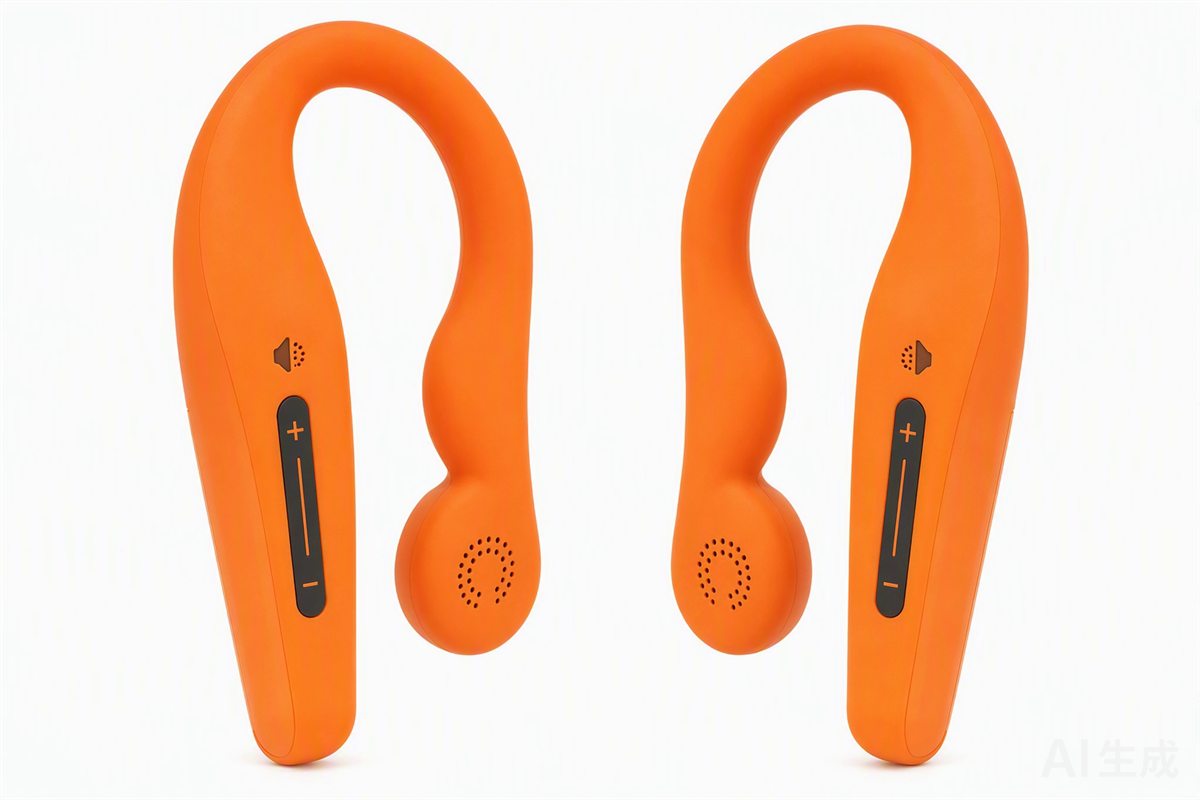
G2 Open-Ear Guide Receiver
The shape most cabinets dispense: ear-hook, open canal, ten hours a charge, MOQ 1,000.
One machine does the job of the desk, the sign-out sheet and the charging shelf. A visitor starts a session from their own phone, a bay releases, and when the device goes back the bay charges it, checks it and writes the record. Twenty to eighty bays, offline-tolerant, and built for the payment reality of the market you sell into rather than the one our domestic line was designed for.
MOQ: 10 cabinets · quoted per site configurationUpdated 20 Oct 2026 · specifications per hardware revision
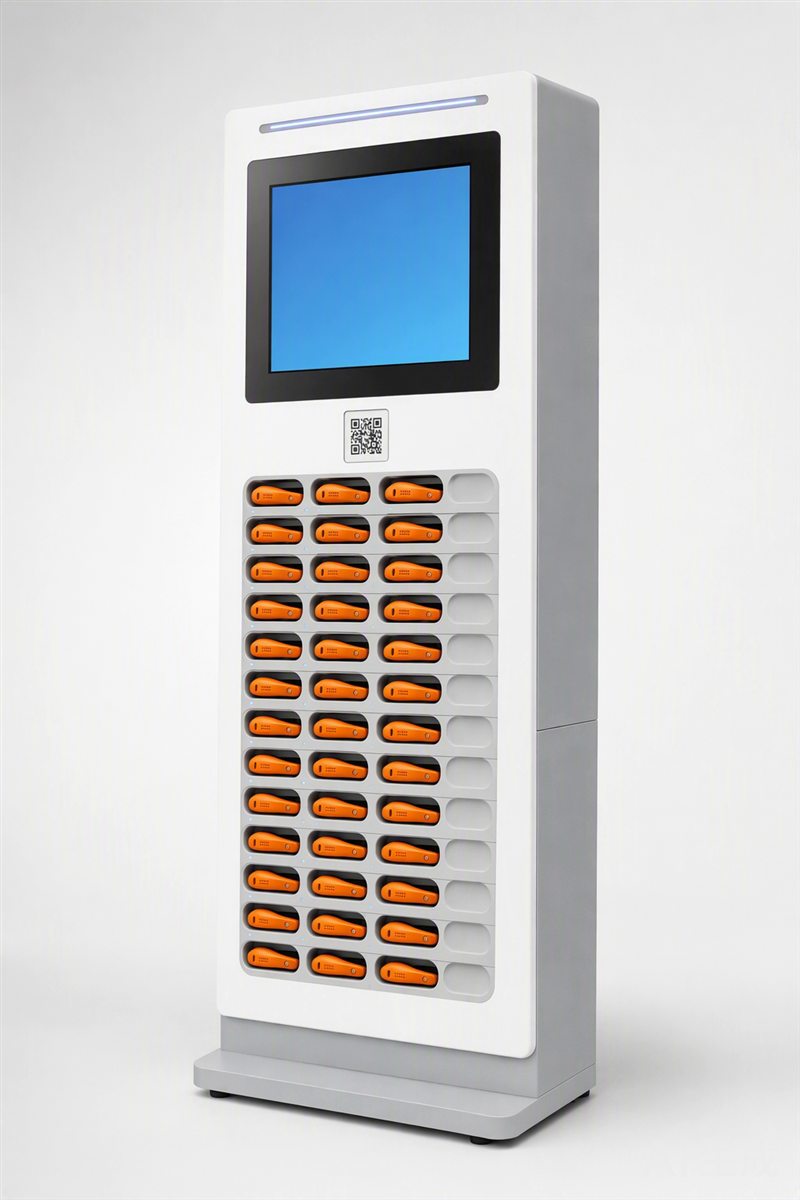
Reference photography — request the current production images for your exact bay count and livery before you print a tender document.
A staffed hire desk has three problems that never appear in a brochure: it closes when the shift does, it is the first thing to be cut when the season turns, and every transaction takes a person out of something else.
It works at 07:50 and at 17:40. The cabinet does not need covering. Groups that arrive before the desk opens and the last coach out of the car park both get served, which is precisely when a site's review score is decided.
Every bay is its own decision. Lock, charge contact, presence detect and a status LED per slot, so a unit that comes back switched on but flat is charged and returned to the pool, and a unit that comes back cracked is flagged out of circulation by the operator rather than quietly handed to the next visitor.
The record is the point. Sessions, takings or loans, returns, language mix, peak minutes, bay faults. That data is what lets an operator change a price, move a cabinet to a different entrance, or justify a second one at next year's budget meeting. A paper sheet cannot do any of that.
What we ship as standard, not as an upsell. Anti-tip anchoring kit and a floor-box dimension drawing; a service door that one person can open with a key and still stand in front of; a replaceable bay insert, because the slot that gets forced is a five-minute swap and not a cabinet replacement; a maintenance mode that empties the machine in a known order for a fire evacuation; and a screen skin with your livery, your languages and your own wording on the deposit text.
Ask any supplier these three questions: what does the cabinet do when the network drops mid-session, which party holds the visitor's payment data, and what is the spare-part price of a bay module in year four. We answer all three in writing, and the answers are in the quotation rather than discovered during commissioning.
Confirm against the datasheet we send with your quotation — bay modules and radio variants change by revision.
| Configurations | 20-bay wall unit, 40/60-bay tower, 80-bay twin tower, or kiosk with an angled touchscreen; mixed device types in one cabinet on request |
|---|---|
| Footprint (60-bay tower) | About 640 × 420 × 1,780 mm, 165 kg empty, anti-tip bracket supplied, floor anchor required |
| Bay function | Independent electronic lock, charge contacts, presence and seating detect, per-bay status LED, field-replaceable insert module |
| Charge per bay | 5 V / 1 A per slot with a total budget management mode, so a 60-bay machine does not trip a 10 A circuit when everything is flat at once |
| Touchscreen | 15.6" or 21.5" projected-capacitive, 1,080p, auto-brightness, screen skin supplied as artwork we build into the UI |
| Session start | QR on the cabinet or on a poster, NFC/RFID tag tap, staff override with role PIN, or a payment-terminal confirmation callback |
| Deposit handling | Configurable: hold-and-release through your payment service, contact record, or free loan with an accepted loss rate. The wording on screen is yours, in each language |
| Offline behaviour | Sessions, releases, returns and takings are written to local storage (30 days typical) and reconciled automatically when the link returns; a dropped payment times the bay closed rather than releasing free stock |
| Power | 100–240 V, 50/60 Hz, IEC inlet, about 180 W peak with all bays charging, under 25 W idle; UK/EU/US plug on the destination market |
| Environment | Indoor or covered entrance, 0–40 °C, IP54 front panel on request for a porch position; not rated for outdoor exposure and we will not sell it as if it were |
| Content | Audio tracks, trigger map and language set pushed from the console over Wi-Fi or the 4G link, versioned per site so a closed gallery stops narrating |
|---|---|
| Devices served | G2 open-ear receiver, G1 guide player or a mixed fleet; contact geometry agreed per device before tooling the bay insert |
| Management console | Occupancy, bay faults, session counts, language mix, takings or loans, and a low-stock alert when a site is running short at peak. Role accounts, no visitor personal data required |
| Hosting | EU or your own region on request; console data-flow description and retention statement supplied for your data-protection review |
| Telemetry | Wi-Fi as standard, 4G LTE module as an option with the band list confirmed per market before build |
| Accessibility | Hearing-loop compatible receivers, large-print quick card, screen heights reachable from a seated position, and a tactile marker position on the QR plate — specify these at quotation, they are not bolt-ons later |
| Maintenance | Consumable bay inserts, locks and contacts stocked for five years; 2 % free spares with every order and a documented service interval per bay module |
| Certification | CE per the Low Voltage and EMC directives, RoHS, UKCA on request; the fitted radio module carries CE RED and FCC documentation. Full reports supplied per revision, not published on the site |
| Freight | Palletised, wooden crate for towers; sea freight quoted ex works or DDP with a lift-gate delivery assumption confirmed at order |
| MOQ & terms | 10 cabinets · EXW, FOB Shenzhen or DDP · 12-month warranty with 2 % free replacement parts · Longhua District, Shenzhen |
A cabinet is mains equipment with a radio inside it and a battery in every bay, so the paperwork is three scopes rather than one. We book testing with an accredited lab against the configuration you order, and the reports are supplied with the quotation pack under NDA where your tender requires it. Two statements we will not make: that a UV-C cycle achieves a named reduction in surface pathogens without a test report for that lamp, geometry and cycle time, and that any positioning or anti-theft feature is absolute.
| Customisation | MOQ | Lead-time impact | What we need from you |
|---|---|---|---|
| Screen skin, livery & start wording | 1 cabinet | +3 days | Logo, brand colours, the languages you need |
| Bay insert for your own device | 10 cabinets | +10 days | Sample units or a dimensional drawing of the shell |
| Terminal mount & release callback | 10 cabinets | +10 days | Terminal model and your integration contact |
| Height, colour & panel finish | 20 cabinets | +12 days | Pantone reference and a site photograph |
| Console white-label | 25 cabinets | +15 days | Your domain, logo, support address |
| 4G module per market | 50 cabinets | +15 days | Destination markets and band confirmation |
Tiers combine in one order; the binding MOQ is the highest tier you select. Process and sampling policy are on the OEM/ODM page, and the factory's test regime is described under Factory & QC.
Tell us the site, not the product. You get a bay-count recommendation, a layout drawing, the release and deposit logic for your market, and a per-cabinet price by quantity.
Prefer to talk? WhatsApp the factory or write to wangkf@wingworld.cn.
The shape most cabinets dispense: ear-hook, open canal, ten hours a charge, MOQ 1,000.
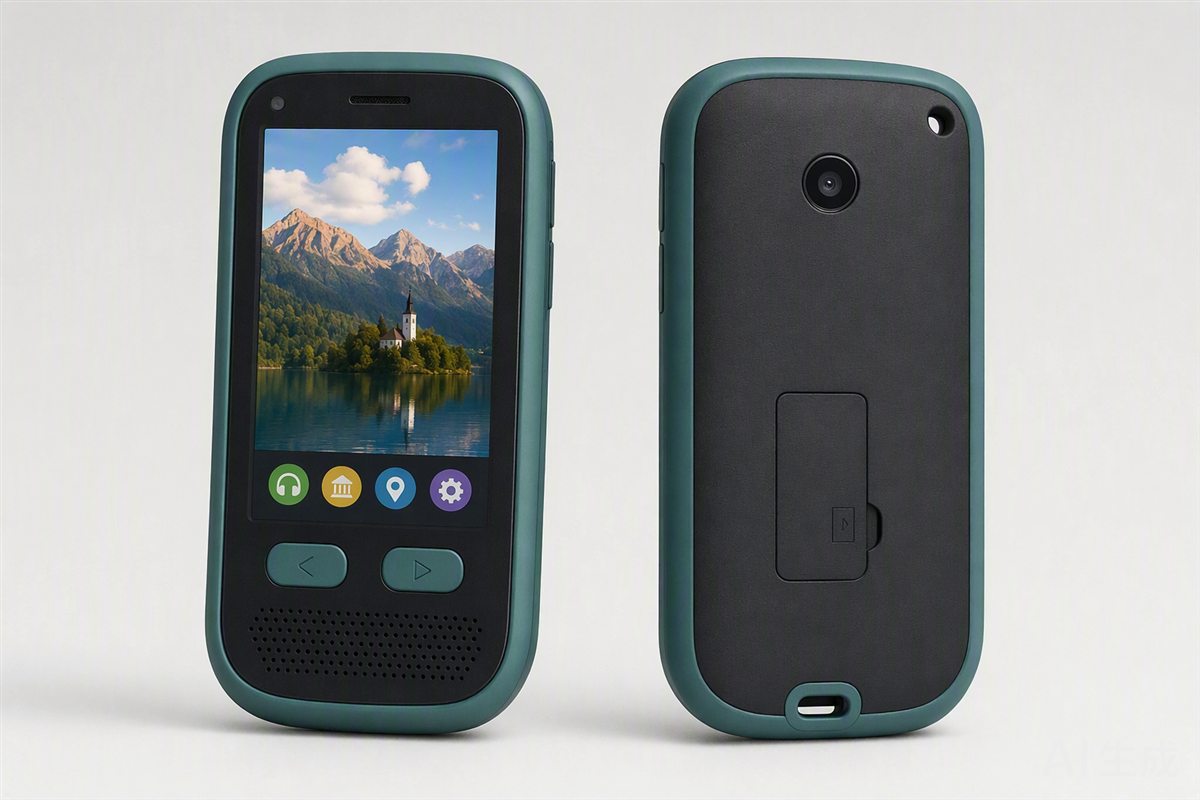
Handheld unit with screen, positioning and an AI answer layer for sites that want more than narration.
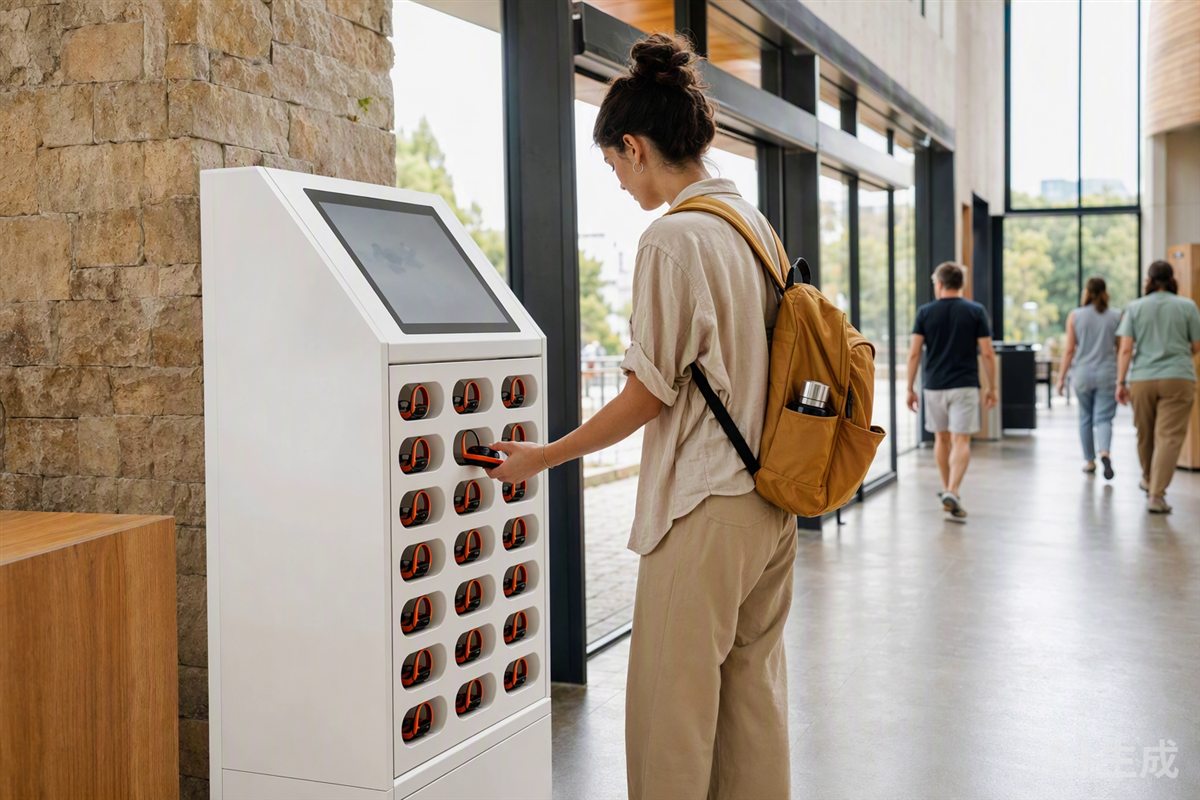
Cabinets, players, receivers and group sets on one firmware and one management console.
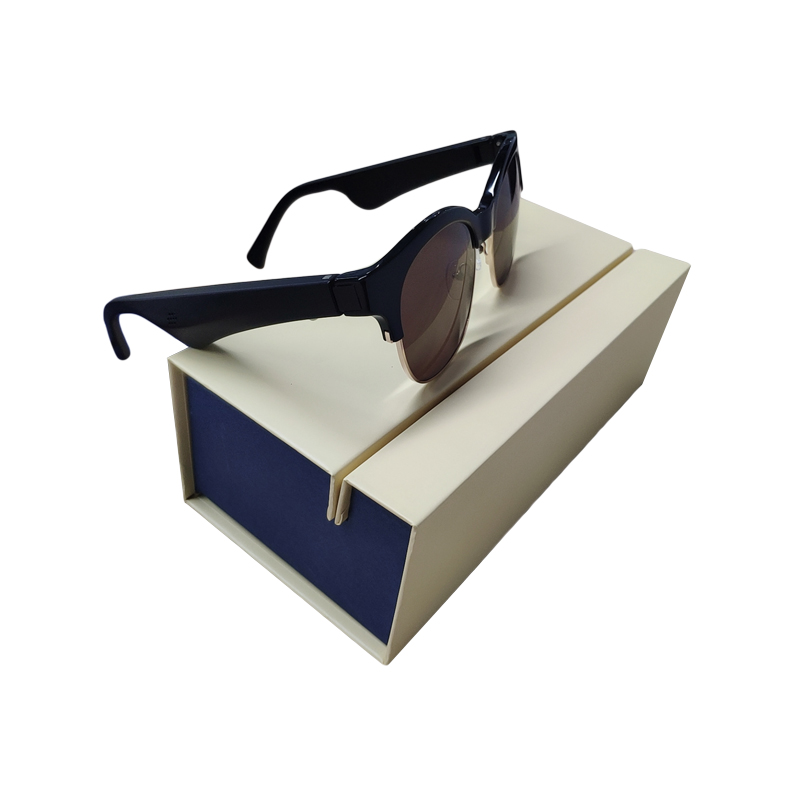
The premium tier a cabinet can issue and recharge: recognition, positioning and narration on the frame, nothing to operate.
Send arrivals per hour, entrances and languages — configuration, drawings and quotation within one business day.
Answers come from our published factory policy. Quotations are handled by a person.