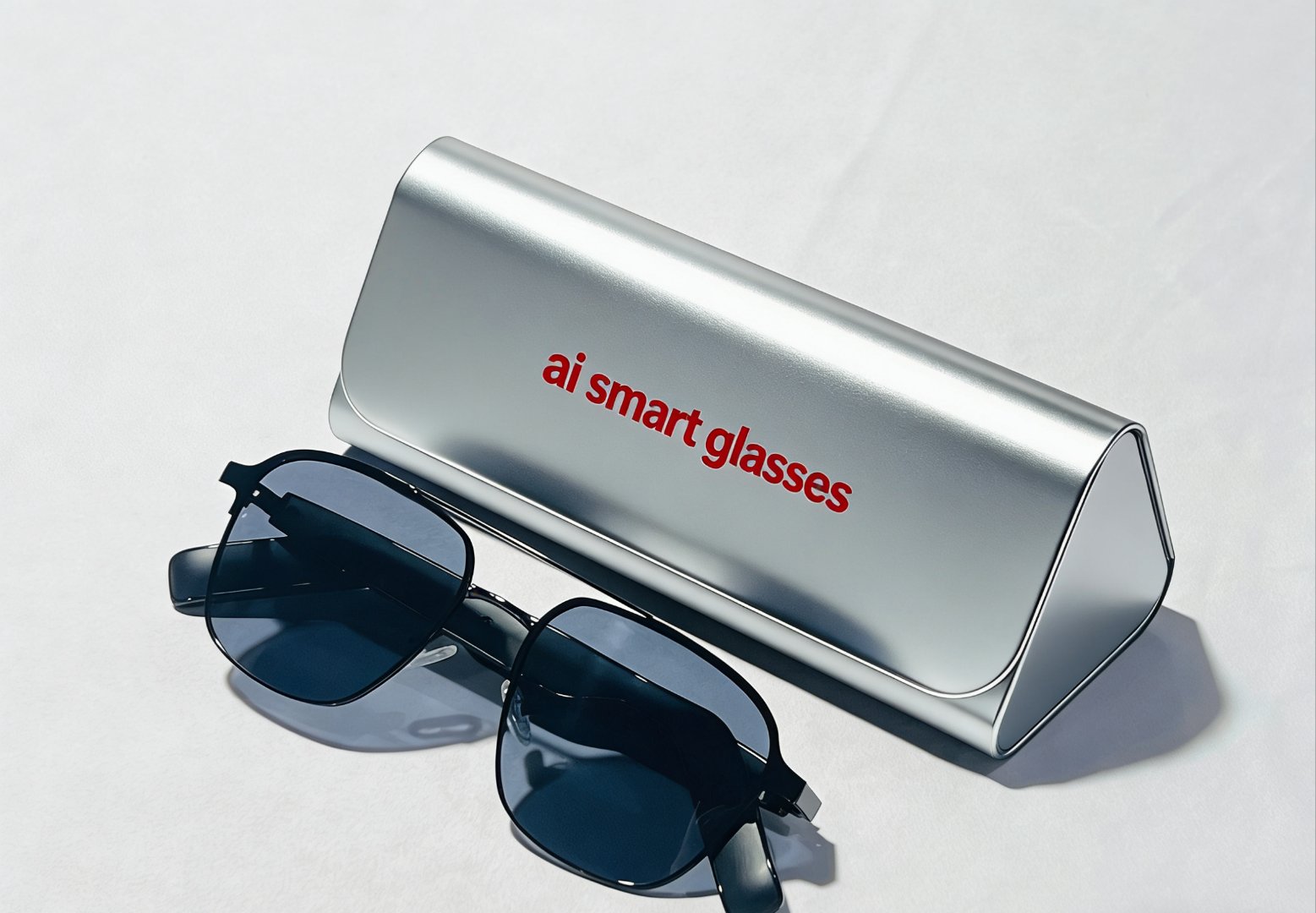
Vox One AI Glasses
The consumer-facing build of the same platform, with its published specification and offline language pair.
A self-guided tour that follows where the visitor is looking. The camera recognises the exhibit, the frame works out which stop that is, and the narration arrives through open-ear drivers in the language that visitor chose — while their hands stay empty and their eyes stay on the object. The companion application on a phone covers pairing, language packs and content sync; it is not the tour. Built on the AI eyewear platform we already publish, for sites that want interpretation without a queue at a hire desk.
MOQ: 300 units on the shared eyewear platform · mixed colourways welcome · sample before any fleet decisionUpdated 20 Oct 2026 · specifications per hardware revision
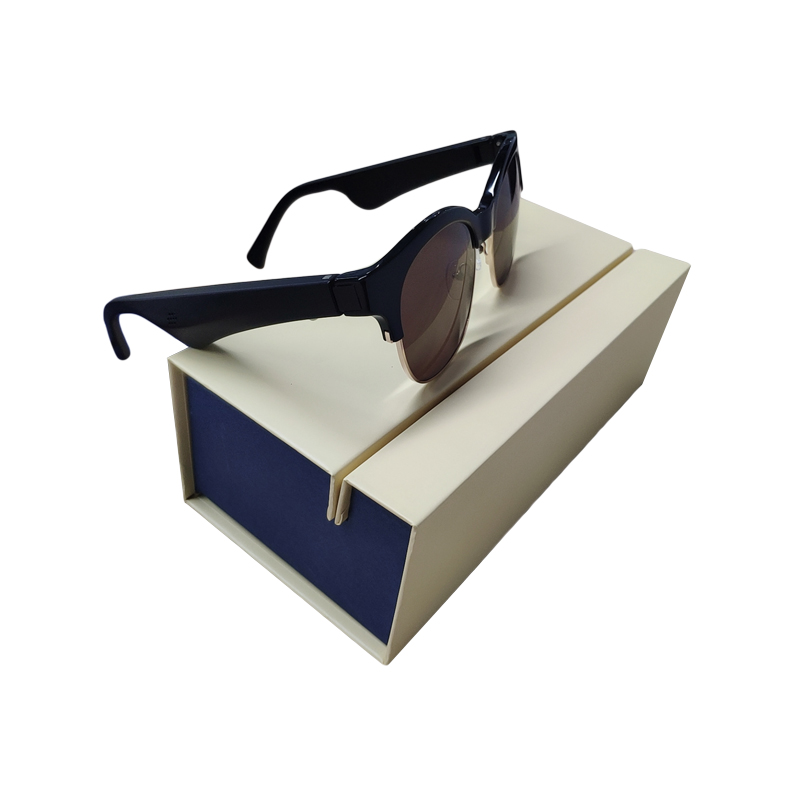
Reference photography of the eyewear platform. The guiding software, its console and the content screens are deployment-specific — we show them on a video call with your own route loaded rather than in a stock image.
Every receiver fleet carries the same hidden costs: a desk to issue it, a form to sign, a number to press, a strap to adjust, a shell to wipe and a stock to reconcile. None of that is interpretation. The glasses remove the object from the transaction — a visitor puts them on, looks at something, and hears about it.
Attention stays on the exhibit. With a handset, the visitor is reading a screen and a label at the same time, which is why audio guide take-up and completion rates rarely match the effort put into the script. Looking at the thing while hearing about it is the closest a self-guided visit gets to a good human guide.
Recognition beats guessing where the visitor is. A beacon says “you are in this room”. A camera that matches the object in front of it says “you are asking about this bust, not the one behind it”, which is the difference between a tour that answers and a tour that lectures.
The language is chosen once, per visitor. Not per group, not per headset channel. A family of four can hear four languages from one stop, and your staff stop repeating the five-minute version in three tongues every hour.
What the site learns is different too. Stops reached, dwell before the visitor moved on, where the route was abandoned, language mix by hour. That is the data that changes a display, prices a premium route, or justifies a second entrance — written per session, not inferred from a paper sheet.
What we treat as standard, not as an upsell. The visible record indicator on the frame — no artwork or manual wording that hides it; a retention strap option on every hire unit; per-unit serialised session records your staff can reconcile; a browser content console your curators use without buying a licence per seat; offline-cached narration so a dropped network does not stop a tour; and a plain-language data note naming what is processed on the frame, what leaves it and who is the controller.
Ask any supplier of guide glasses these three questions: what happens to a tour when the venue network drops mid-stop, whose merchant or identity record covers a 300-euro item handed to a stranger, and what the console costs your team in year three. We answer all three in writing, and the answers arrive with the configuration rather than during commissioning.
This is the table that decides whether the product works for your visitors, so it is stated plainly rather than left to a demo.
| Function | On the frame | On the visitor's phone | On the venue side |
|---|---|---|---|
| Exhibit recognition | Capture and match against the image set registered for your stops | Not involved | The registered image set, curated per stop |
| Knowing which stop this is | Consumes the active positioning source and maps it to a stop | Optional assist where a phone fix is better than the beacon grid | Beacon layout, geofence drawing or visual anchors, set at survey |
| Narration playback | Plays the cached track for the stop, in the visitor's selected language | Language pack download at setup | Audio masters, transcripts and the stop map |
| Spoken questions | Capture, playback, and answers against content authored for the stop | Companion app as the account and settings surface | Cloud model calls for open-ended questions, with an authored-content fallback when there is no connection |
| Session records & analytics | Written per stop and synced when a link exists | Not required | Console view by site, route, language and hour |
| Issue, deposit, return | Serial identity per unit | Visitor record capture where your policy uses one | Your counter flow, your payment service, your cabinet bay reporting the unit present or absent |
There is no display in this lens. The frame sees, hears and speaks; it does not draw.
That is a deliberate statement rather than an omission, because the phrase “AR guide glasses” is doing a lot of work in this market and buyers are entitled to know which hardware family they are being quoted. Our published eyewear platform is a camera-and-open-ear-audio build: light enough to wear for two hours, cheap enough to run as a hire fleet, and robust enough that a visitor does not fear breaking it. For the overwhelming majority of interpretation briefs — trigger the right story at the right object, in the right language, without a handset — that is the correct tool.
If your plan genuinely needs pixels in the lens — reconstructed walls, wayfinding arrows, a caption track for deaf visitors, bilingual text over an object — that is an optical see-through build with a different weight, price band, battery expectation and supplier shortlist. We will say it is an ODM evaluation, tell you what we do not currently ship, and put you in touch with what the trade-offs look like. Selling you an audio frame and labelling it AR would cost you a bad launch and us a customer, in that order.
For accessible interpretation specifically: an audio-first frame plus your existing large-print and caption material covers a lot of briefs without an optical engine, and the transcript of every stop ships with the content pack as standard.
Confirm against the datasheet that accompanies your quotation — the eyewear columns are published figures for the base platform, the guiding columns are set per deployment.
| Frame | Acetate, three colourways, prescription-ready; your local optician fits the lenses and we supply the frame specification and lens-blank compatibility list |
|---|---|
| Camera | 12 MP wide with photo and video capture, plus a visible record indicator on the frame that cannot be disabled by artwork or manual text |
| Audio | Open-ear drivers and a five-microphone array; the ear stays open to a guide, a child and a traffic lane |
| Connectivity | Bluetooth 5.3 with BLE, for pairing, beacon reception and the companion application |
| Durability | IP54 splash and dust — a drizzle and a cleaning cloth, not a boat deck or a hose |
| Battery | Published as about eight hours of mixed consumer use. A hire fleet does not rely on that figure: units charge between sessions in the bay of a G3 cabinet or on a dock, and we size the rotation against your opening hours instead of one long walk |
| Media and cache | Route content and narration are held on the unit so a dropped venue network does not stop a tour mid-stop |
| Display in lens | None. Optical see-through is a separate ODM evaluation |
| Certification | CE RED, FCC, RoHS 3, REACH SVHC screening, battery UN38.3 with SDS for air freight; UKCA on request. The revision-specific document list arrives with your quotation |
| Stops per route | Set by your interpretation plan; each stop carries triggers, narration masters, transcripts and an optional question set |
|---|---|
| Recognition set | Registered photographs per exhibit, refreshed when a display changes. Lighting and glazing are surveyed, because they decide the hit rate more than any processing figure |
| Positioning | BLE beacons indoors, visual matching against the object, GNSS geofencing on open outdoor routes, or scheduled group chapters on a guide's control — usually mixed inside one site |
| Languages | Not limited by the frame. What ships offline is a configuration decision; the supported list is confirmed per firmware revision rather than quoted from a poster |
| Question answering | Two tiers, and we keep them separate in writing: answers drawn from content your curators authored for that stop, and open-ended answers that need a cloud call and therefore a connection, a privacy notice and a reviewer's approval |
| Content console | Browser-based; your team edits text, audio, stop order and trigger geometry. We do not charge per curator seat |
| Reporting | Session, stop sequence, dwell, completion point, language, battery and fault per unit; export for your own analytics |
| Fleet operations | Serialised units, issue and return records, retention strap option, bay insert tooled for the glasses case from ten cabinets |
| Data protection | We state what is processed on the frame and what leaves it; the venue or operator is the controller for visitor data, we supply the DPIA input sheet, and EU-region hosting is available on request |
| Commercial | MOQ 300 units; samples 3 to 5 working days on stock builds, 7 to 15 configured, credited against production; production 25 to 35 days after sample approval; 12-month warranty with a 2% free replacement-parts allowance |
Send these and a configuration plus a written price follows within one business day:
What we will not claim, in writing:
Describe the visit you want, not the device. You get a stop-and-route proposal, the positioning method per area, a fleet size derived from peak arrivals, and unit pricing by quantity.
Prefer to talk? WhatsApp the factory or write to wangkf@wingworld.cn.
The consumer-facing build of the same platform, with its published specification and offline language pair.
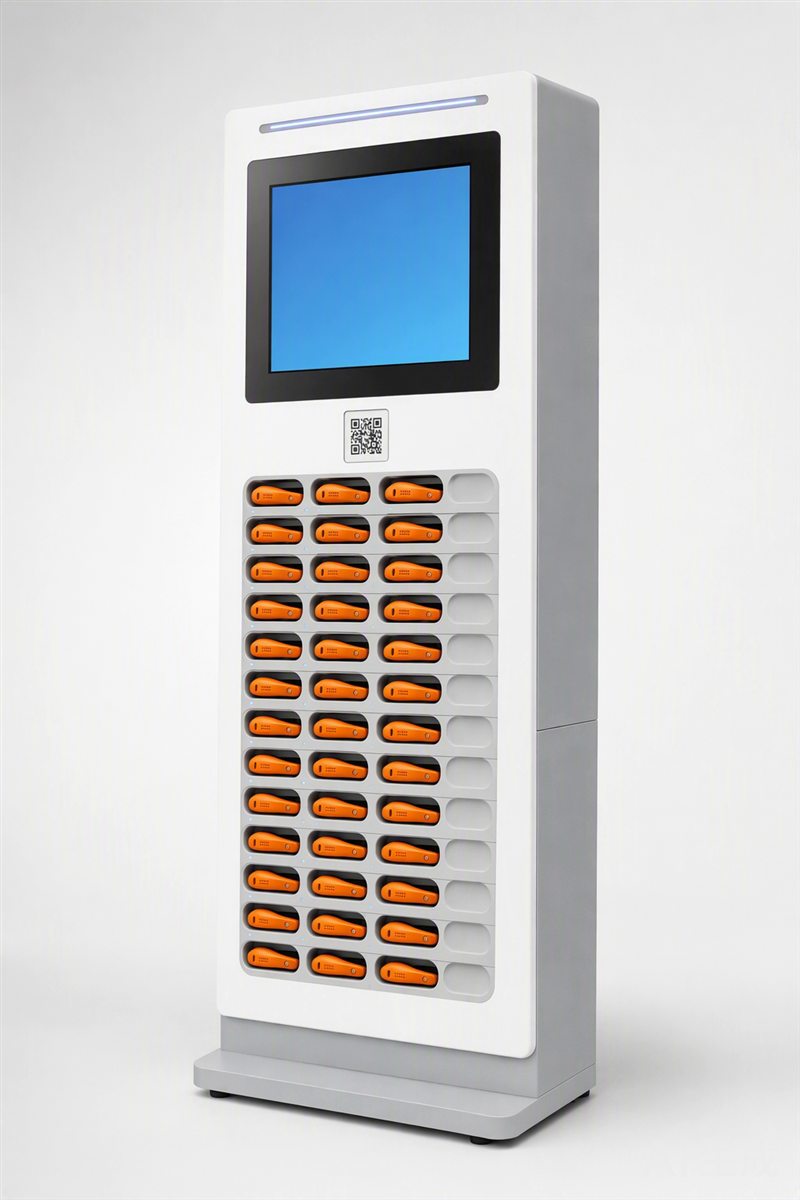
Issue, charge and reconcile a glasses fleet from the bays you may already own — insert tooled from ten cabinets.
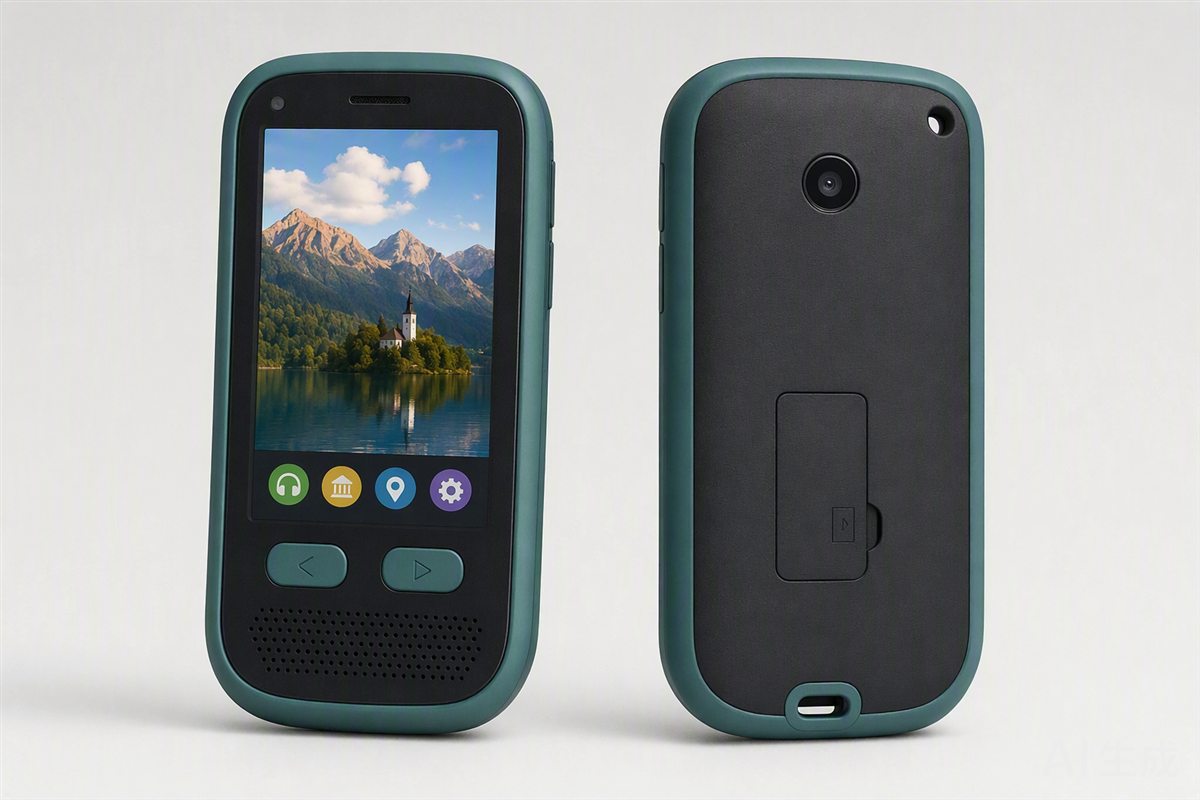
Cabinets, players, receivers and group sets — the interpretation stack this glasses tier sits on top of.
Send five photographs of exhibits and a stop list — we will tell you which ones a frame can recognise, before you write a business case.