IP68 vs 5 ATM Smartwatch: What the Ratings Really Cover
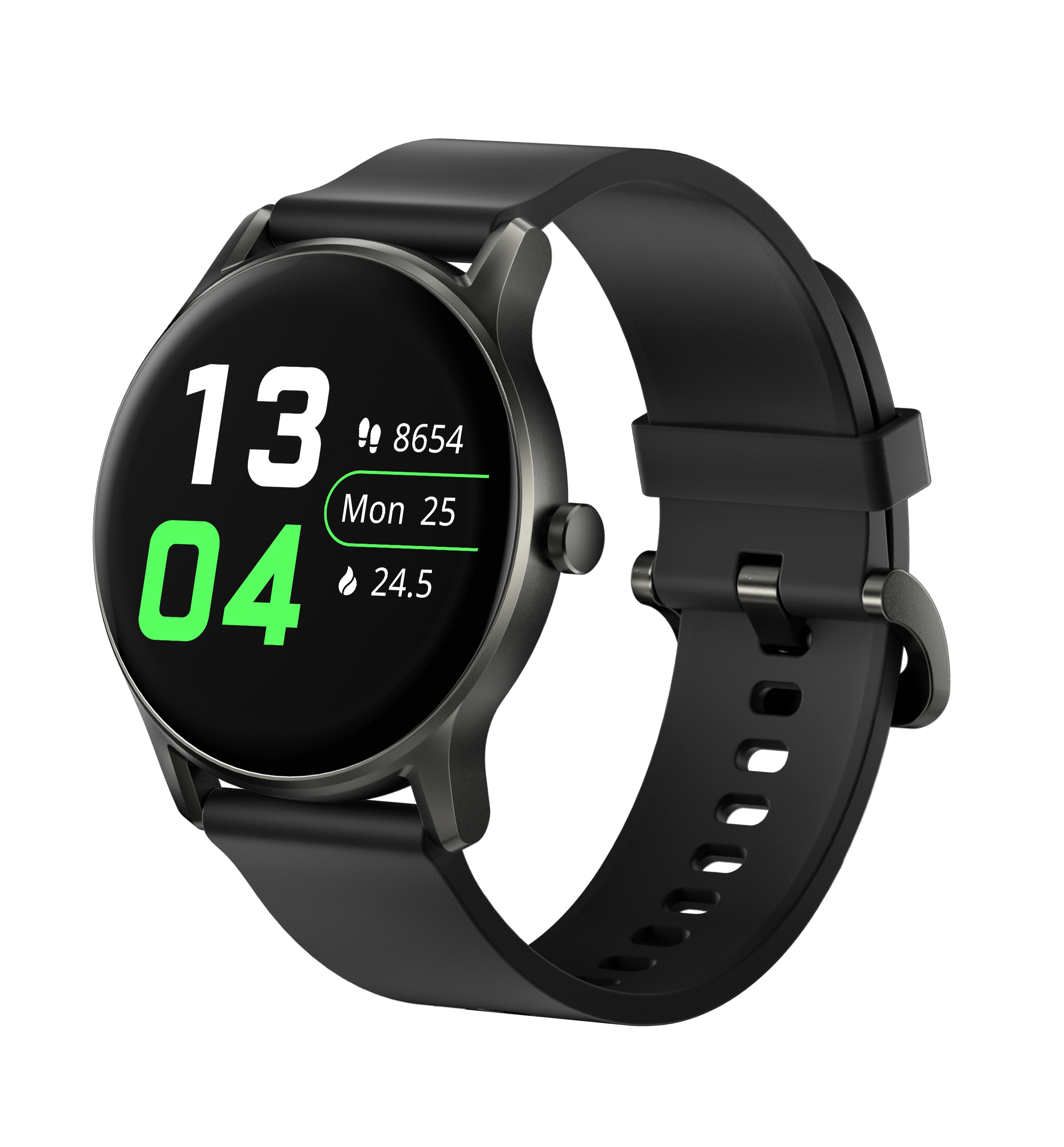
Water resistance is one of the few specifications a customer can test by accident, which makes it a commercial risk rather than a technical footnote. IP68 and 5 ATM appear side by side on retail packaging and are routinely read as synonyms, yet they come from different standards, describe different conditions and fail in different ways. For a purchasing manager, the question is not which number is higher but which test scope was booked, on which hardware revision, and what the user manual tells the end customer to do. This article walks through the test logic and the misuse cases that generate returns.
What IP68 actually measures
IP ratings come from the IEC 60529 ingress protection system. The first digit covers solids, the second covers liquids, and 6 is the highest dust figure while 8 denotes continuous immersion under conditions agreed between manufacturer and test house. That last phrase matters: IP68 is not a single universal test. The depth and duration are part of the specification, so two devices both marked IP68 may have been tested to quite different parameters. When you request documentation, ask for the immersion conditions stated on the test report, not just the two-digit code. Our factory page describes how we sequence these checks alongside the standard quality gates.
What 5 ATM means, and what it does not
ATM ratings derive from watch industry practice and express static pressure: 5 ATM corresponds to a nominal 50 metres of water pressure in a static test. It is not a depth rating for a swimmer, because a moving arm generates local pressure spikes well above the static figure. The test is also conducted in still water at controlled temperature. Chlorine, salt, sunscreen and hot water are outside its scope. A buyer should treat 5 ATM as evidence of a static pressure test passed, and nothing more. For sport-oriented lines such as the GPS sport watch, the manual wording around pool use is the document that governs warranty disputes.
The misuse cases that drive returns
Most water damage claims trace back to three behaviours, and none of them are covered by either rating. Sauna and steam rooms expose the seal to heat and vapour, which can soften adhesives and drive moisture past a gasket that would hold under cold immersion. Hot showers combine the same vapour problem with surfactant residues from soap, which reduce surface tension and let water enter gaps it would otherwise bridge. Salt water and chlorinated pools add chemical attack on seals and, if the device is not rinsed, leave crystalline deposits that abrade them over time. A fourth case is physical: a cracked case or a compromised button seal after a drop invalidates any rating, and the customer rarely connects the two events.
Briefing a supplier: the checklist
Use the table below as a document request list rather than a specification wish list. Each row is something a supplier should be able to state in writing per model and per hardware revision.
| Item to confirm | What to ask for | Why it matters commercially |
|---|---|---|
| Ingress rating basis | IEC 60529 test report with stated immersion depth and duration | IP68 alone does not define the test conditions |
| ATM rating basis | Static pressure test level and the laboratory used | Prevents the rating being read as a swim depth |
| Manual wording | Explicit permitted and prohibited activities | The manual, not the badge, governs warranty claims |
| Seal and adhesive spec | Material class and temperature range | Heat and steam are the common failure route |
| Hardware revision control | Certification booked per revision, not per model name | A gasket or housing change voids earlier test evidence |
| After-sales policy | How water ingress claims are assessed and documented | Determines your returns exposure in each market |
Compliance paperwork that sits alongside the rating
Water resistance evidence is separate from market access documents. For the EU, a watch needs CE RED scope covering EN 300 328, EN 301 489 and EN 62368-1, plus RoHS 3, REACH SVHC screening and battery UN38.3 with SDS. Skin-contact items need EN 1811 nickel release testing. None of these certificates are held in advance: they are a test scope booked with an accredited laboratory per hardware revision, so plan the schedule against your launch date. Our CE RED document checklist sets out the file structure buyers usually request, and the MOQ and lead time notes explain how sampling and certification windows overlap.
Where an importer should say no: if a supplier offers a single water resistance claim with no test report, no stated immersion conditions and no manual wording, the risk sits with you, not them. The same applies if a supplier describes a rating as covering sauna, steam or hot shower use, or presents a rating as permanent rather than conditional on an intact housing. Ask instead for the report, the revision number and the manual text.
Practical next steps for a category plan: decide which models genuinely need immersion claims, since a health smartwatch and a smart health ring carry different exposure profiles, and a ring is worn through hand washing and dishwashing rather than swimming. Review the wider Health & Wellness line and the Fitness & Sports line to see which housings share a sealing design, then send us your target markets and volumes through the OEM/ODM route so we can confirm the test scope, sample timing and manual wording before you commit to packaging.
Questions buyers ask
Can a buyer treat IP68 and 5 ATM as interchangeable?
No. IP68 is an ingress protection rating covering dust and water immersion under defined conditions, while 5 ATM is a static pressure rating expressed in atmospheres. A device can carry one, both or neither, and the test conditions behind each differ.
Does 5 ATM mean a customer can swim and shower with the watch?
It means the unit passed a static pressure test at that level in a laboratory. Swimming involves movement, chlorinated or salt water and temperature change, and showering or sauna use adds steam and heat, none of which the static test reproduces. The manual, not the badge, defines permitted use.
Related: more on ai wearables · buyer guides · customisation tiers