Smart Ring Battery Life: Testing Two-Day Runtime Claims
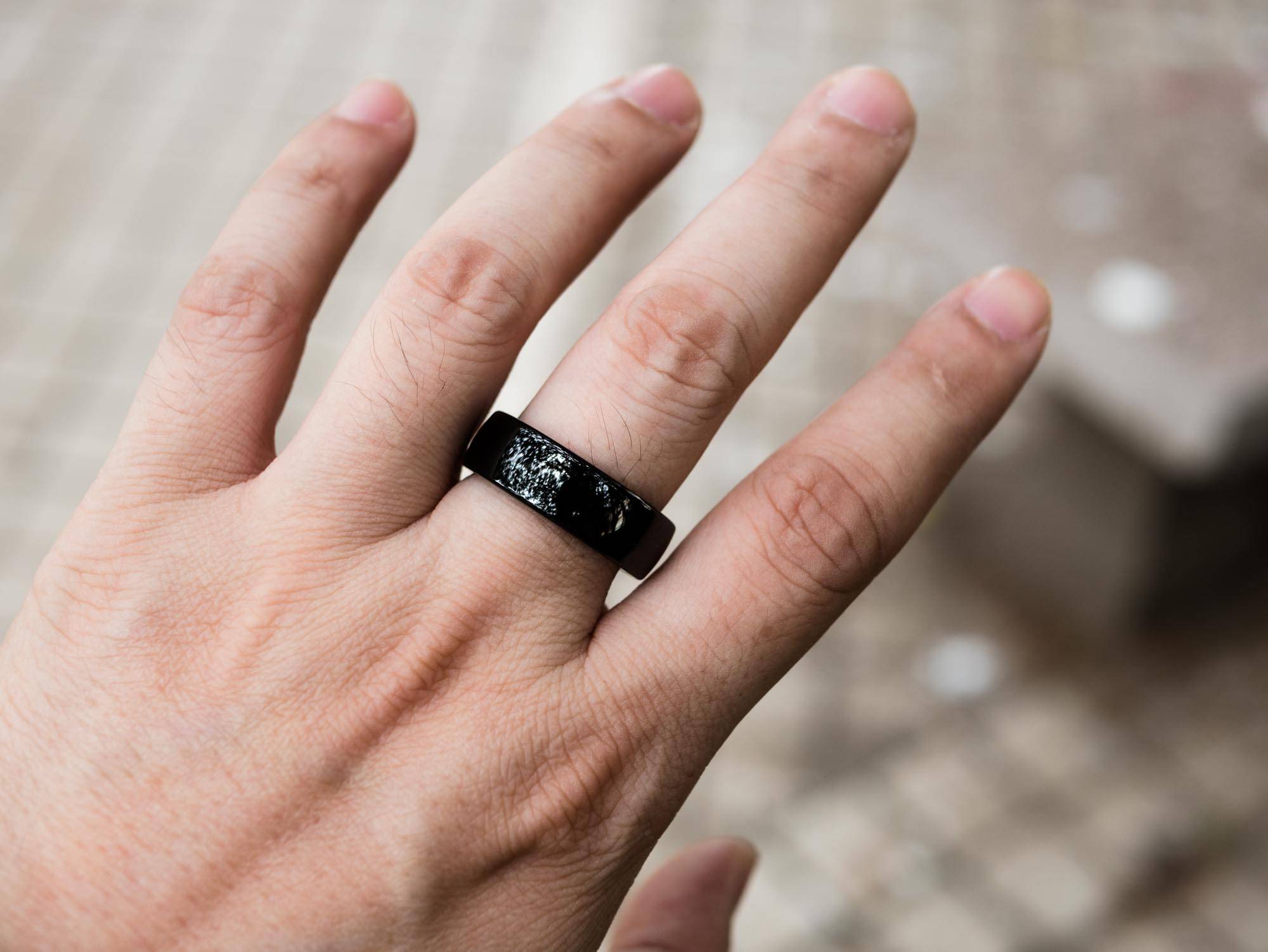
A two-day runtime claim looks simple on a listing and is one of the harder numbers to defend. Buyers compare it, marketplaces query it, and consumer protection authorities in Germany, France and the UK treat it as a measurable performance statement. Before you repeat a supplier's figure, you need to know what was measured, on which build, and under what conditions. This article sets out how runtime, charging case capacity and cycle life should be stated and evidenced, and where an importer should push back.
Runtime is a scenario, not a specification
A ring draws current in several distinct states: idle with the optical sensor off, continuous wellness sampling, active Bluetooth transfer, and screenless notification handling. A single runtime figure hides all of them. Ask the supplier to state the test condition in the same sentence as the number: sampling interval, whether the companion app was connected, notification volume, and ambient temperature. A figure quoted without those parameters is not a specification, it is a marketing line, and it will not survive a marketplace challenge.
For the R2 smart ring with charging case and the R1 smart health ring, runtime is tied to the firmware revision and the sensor duty cycle configured at the factory. Change either and the number changes. That is why any honest quotation separates the ring figure from the case figure rather than adding them into one headline.
Standby drain and the numbers buyers never ask for
Standby drain is the quiet failure mode. A ring that meets its active runtime target can still lose charge on a shelf, in transit, or overnight in a warehouse. Ask for the self-discharge behaviour of the cell and the quiescent current of the charging circuit, and ask whether the ring ships in a shipping mode that disconnects the cell until first charge. This matters commercially: units that arrive partially discharged generate returns that look like quality failures but are logistics failures.
Where a supplier cannot describe standby behaviour in engineering terms, treat the runtime claim as unverified. Our own position is set out in how we build and test: no capacity, wattage or cycle figure is published before a datasheet exists for the revision being quoted.
What the charging case actually claims
The case is a second battery with its own cell, its own protection circuit and its own compliance file. It adds recharges, not runtime. State it that way. A case claim should say how many full ring recharges it delivers, at what efficiency, and how the case itself is charged. Every battery order carries the UN38.3 test summary and SDS with the watt-hour rating printed on each unit, and that documentation has to match the case revision, not the previous one.
| Item to confirm | What good looks like | Where buyers get caught |
|---|---|---|
| Runtime statement | Figure plus test condition in one sentence | Headline number with no scenario attached |
| Standby drain | Quiescent current and shipping mode described | Arrives discharged, treated as a defect |
| Case capacity | Recharges delivered, stated separately | Ring and case figures added together |
| Cycle count | Capacity retention after a defined number of cycles | Cycle figure quoted without a retention threshold |
| Battery documents | UN38.3 summary and SDS per revision | Documents from an earlier hardware build |
| Skin contact | EN 1811 nickel release report | Assumed to carry over from another model |
Cycle life, certification and the revision trap
Cycle count only means something alongside a retention threshold. "Five hundred cycles" is empty unless it says what capacity remains at the end. Ask for the retention figure and the test temperature. Then check that the electrical file matches the hardware revision you are ordering.
Certification is a test scope booked per hardware revision with an accredited laboratory, not a permanent attribute of a product family. CE RED documentation for a ring covers EN 300 328, EN 301 489 and EN 62368-1, and the CE RED document checklist applies to wearables in the same way. Health metrics on any ring are wellness guidance, never diagnosis, and that wording belongs on the packaging and in the app.
Decisions to settle before you commit to a volume
- Fix the runtime scenario in writing and attach it to the purchase order, not to an email thread.
- Confirm the case is quoted as a separate battery with its own documents.
- Check the age grading on the packaging if the ring is sold into any youth-oriented channel.
- Confirm who holds WEEE, BattG and DEEE/Triman registration. In the EU and UK these duties sit with the importer.
- Ask whether Google Play services are licensed. They are not licensed by default.
- Verify the sample timeline before you plan a launch date.
Standard MOQ for ring models is 1,000 units, with custom packaging at 1,000 and firmware or app white-label at 2,000; the full schedule sits in MOQ, sampling and lead times. Production runs 25-35 days, and ODM tooling takes 12-20 weeks, so a battery claim that is still unresolved at tooling sign-off will delay the launch rather than the shipment.
If you are comparing suppliers, the supplier vetting guide covers the questions that separate a factory from a trading desk, and the OEM/ODM services page explains how a custom ring programme is scoped. Where a supplier refuses to state a test condition, the correct answer is no: do not repeat the claim on your listing. Send us the specification you intend to publish and we will tell you which figures we can support with a test report for the revision you are ordering.
Questions buyers ask
Can I put a two-day runtime claim on my listing?
Only if you can reproduce it under a stated test condition and hold the supporting document for that hardware revision. Runtime is a scenario figure, not a fixed property of the ring, so the condition has to travel with the number.
Does the charging case extend runtime?
The case adds recharges, not runtime. It changes how many days pass between wall charges, which is a different claim and needs its own test method and its own line on the specification sheet.
Related: more on ai smart rings · buyer guides · customisation tiers