Ring Charging Case Design Trade-offs: USB-C, Magnets and Bay Size
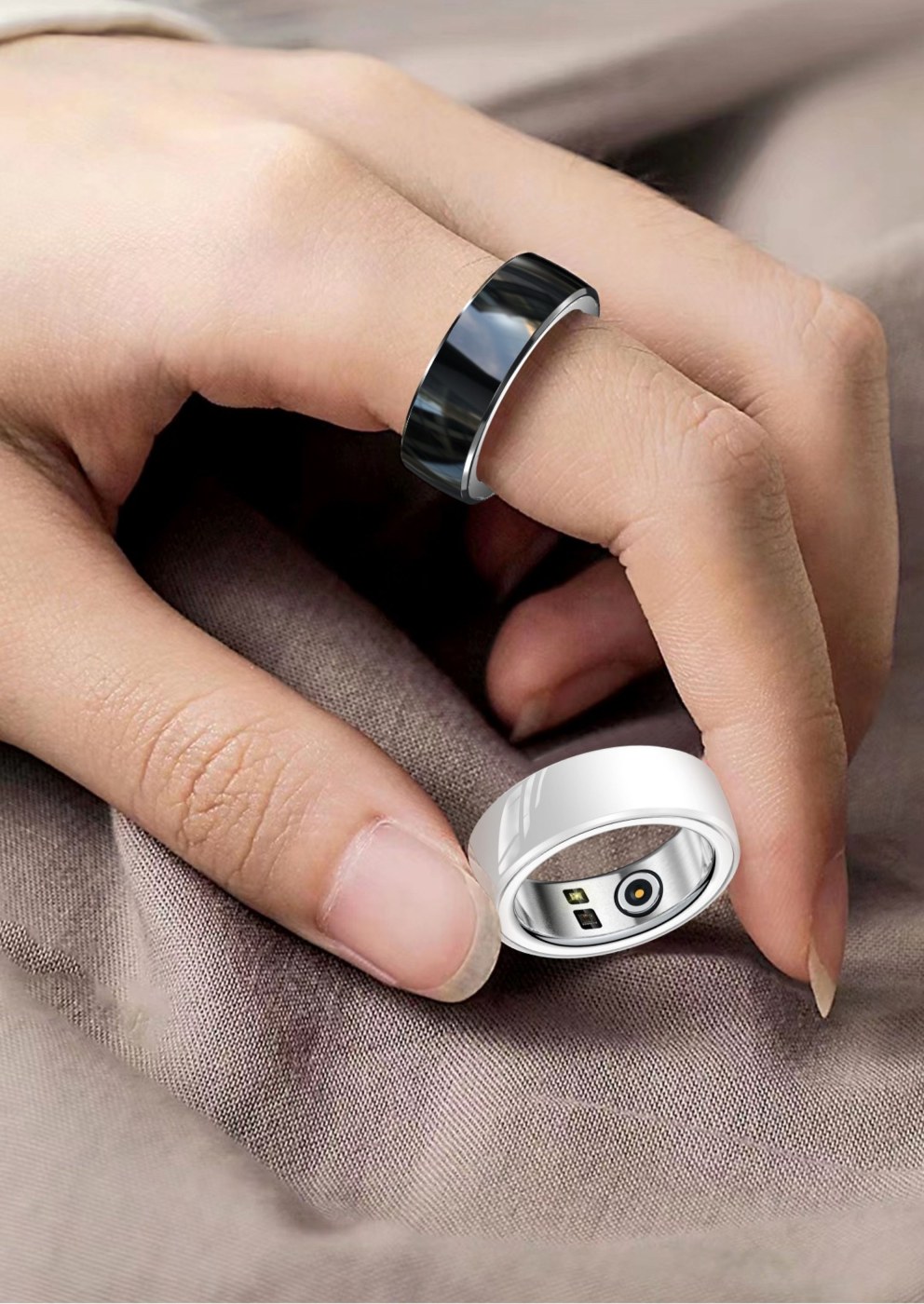
USB-C Ports: More Than Just a Plug Shape
The USB-C receptacle in a ring charging case must withstand repeated insertion cycles without degrading signal integrity or mechanical retention. User reviews consistently cite port wobble, bent pins and intermittent charging — all traceable to insufficient PCB anchoring and lack of metal shielding around the connector. WingPhoenix cases use through-hole USB-C connectors with dual-side solder fillets and a reinforced mid-frame bracket. This design passes 5,000-cycle plug/unplug testing at IQC, and every production batch includes functional verification of voltage drop across the port at 5 V / 500 mA. For distributors verifying compliance, the CE RED document checklist confirms whether the USB-C interface was tested as part of the full charging subsystem — not as a standalone component.Magnetic Alignment: Precision vs. Tolerance Stack-Up
Magnets simplify ring placement but introduce cumulative tolerances: magnet strength, ring housing flatness, case bay depth and pogo pin protrusion height. Reviews show misalignment rates increase sharply when the case bay depth exceeds 4.2 mm or when ring housing chamfers exceed 0.3 mm radius. WingPhoenix uses calibrated neodymium magnets (N42 grade) with ±5% flux tolerance, paired with pogo pins rated for 100,000 cycles and a fixed 3.8 mm bay depth. This combination ensures repeatable contact across sizes 6–13. Magnetic cases are subject to EN 62368-1 clause 4.5.2 for mechanical stress on embedded components — a requirement documented in the how we build and test report.The Bay-Size Compromise: Fit, Feel and Failure Modes
A deeper bay improves ring retention but increases lateral play during charging, leading to pogo pin skew and uneven wear. A shallower bay reduces play but raises ejection risk during pocket carry. User-reported failures cluster at bay depths above 4.5 mm — especially where the inner wall lacks a soft-touch coating or the ring’s outer edge has sharp transitions. WingPhoenix standardises on 3.8 mm depth, verified against the R2 smart ring with charging case and R1 smart health ring, both sized to EN 1811 nickel release limits. No bay design accommodates rings outside sizes 6–13 without retooling — a constraint confirmed in the MOQ, sampling and lead times policy.What This Design Cannot Do
This ring charging case does not support simultaneous multi-ring charging, fast-charging protocols beyond USB-IF BC 1.2, or wireless power transfer. It contains no active regulation circuitry — only passive protection diodes and thermal fuses. No version carries an IP rating, and none is certified for immersion or pressurised wash-down. Claims of “waterproof charging” or “multi-ring capacity” are unsupported by test data and fall outside the current OEM/ODM services scope. Importers should reject suppliers who present such claims without a published test summary matching the exact hardware revision.Compliance Anchors: Where Documentation Must Match Hardware
Every ring charging case revision undergoes separate certification booking. CE RED covers radio emissions from the USB-C data lines and switching noise; EN 62368-1 covers the 5 V power path, PCB layout creepage, and thermal cut-off response time. Battery UN38.3 applies only to the internal Li-ion cell — not the ring itself — and requires the watt-hour rating printed legibly on each unit. RoHS 3 and REACH SVHC screening extend to all plastics, adhesives and plating layers. These documents are tied to specific hardware revisions, not model families — a detail clarified in the how to vet a supplier guide.| Design Feature | User-Reported Failure Mode | WingPhoenix Mitigation | Compliance Anchor |
|---|---|---|---|
| USB-C port | Wobble, bent pins, intermittent connection | Through-hole mounting, dual-side solder, metal bracket | EN 62368-1 §4.3.2 (mechanical strength) |
| Magnetic alignment | Off-centre charging, pogo pin wear, ring slippage | N42 magnets, 3.8 mm bay, controlled chamfer on ring housing | EN 62368-1 §4.5.2 (magnetic stress) |
| Bay depth | Ejection during carry, lateral pin skew | Fixed 3.8 mm depth, soft-touch inner coating | EN 1811 (nickel release on skin-contact surfaces) |
| Pogo pins | Loss of spring force, oxidation, misalignment | Gold-plated beryllium copper, 100k-cycle rating | IEC 60512-2 (contact resistance) |
| Thermal management | Overheating during extended charge, plastic warping | Thermal fuse + PCB copper pour, no sealed enclosure | EN 62368-1 §4.4.2 (temperature limits) |
| Battery labelling | Missing Wh rating, illegible print, no UN38.3 summary | Watt-hour rating laser-etched, SDS + UN38.3 shipped with order | UN38.3 Section 38.3.1 (battery marking) |
Procurement Next Steps
Before placing an order, request the hardware revision number for the case being quoted, then cross-check it against the latest CE RED and EN 62368-1 test summaries listed in the AI wearables line. Confirm the MOQ aligns with your channel — the smart ring line requires 1,000 units for custom packaging, and all cases ship EXW Shenzhen unless DDP terms are pre-agreed. To begin, download the full hardware revision log from the product catalogue and schedule a technical review with our compliance team using the journalQuestions buyers ask
Why do some ring charging cases fail after three months of daily use?
Misalignment between pogo pin tolerance and ring housing flex, combined with repeated USB-C insertion force, causes micro-fractures in the PCB mount and contact wear. This is visible in teardowns from third-party labs.
How do I verify if a ring charging case meets EU import rules?
Confirm CE RED documentation covers the full charging system — not just the ring — and that EN 62368-1 includes the case’s power delivery circuit and thermal management. The <a href="https://wingphoenixai.com/resources/ce-red-compliance-smart-watches/">CE RED document checklist</a> lists required test reports per revision.
A sample failed drop testing at 1.2 m on concrete — what should I check first?
Whether the case uses over-moulded TPU around the bay edge (not just the shell), and whether the USB-C port is recessed and strain-relieved. Non-recessed ports crack under impact, and unsecured pogo pins detach from the PCB.
What claim should I reject outright from any supplier?
Any statement that “the case charges rings to 100% in under 15 minutes” — no published datasheet for any WingPhoenix ring charging case supports this, and rapid charging is not part of the current battery safety scope.
Related: more on ai smart rings · buyer guides · customisation tiers