Ring Nickel Release: The EN 1811 Test Scope Buyers Must Agree
A ring sits against skin for hours, so nickel release is not a paperwork formality but a test scope you have to define before tooling. Under REACH, metal items intended for prolonged skin contact fall under entry 27 of Annex XVII, and EN 1811 is the reference method for measuring nickel release from those items. If you are buying a ring for the German, Dutch or UK market, the importer carries the obligation, which means the report has to be in your name or assignable to you. This article sets out what that scope covers, how it changes between builds, and where a purchasing manager should refuse a supplier's shortcut.
What EN 1811 actually measures
EN 1811 is a laboratory method, not a certificate. A sample of the finished item is placed in an artificial sweat solution for a defined period, and the solution is then analysed for nickel that has migrated out of the surface. The result is expressed as a release rate per square centimetre per week. The test tells you about the surface as it is finished, not about the bulk alloy underneath, which is why the plating stack matters more than the base metal choice.
For a smart ring, the surfaces in scope are the inner band that touches the finger, the outer shell where it contacts adjacent skin, and any edge or chamfer where plating coverage is thinnest. A supplier who tests only a flat coupon of the same alloy has not tested your ring. The scope has to name the finished part, the finish type and the colour, because a change in any of those changes the surface chemistry.
Why the scope is booked per hardware revision
Every time the shell geometry, the plating bath, the colour finish or the substrate alloy changes, you have a new surface and therefore a new test obligation. This is the point where ring programmes go wrong: a buyer approves a sample in one colour, then adds a second colour for a retail variant, and assumes the original report covers both. It does not.
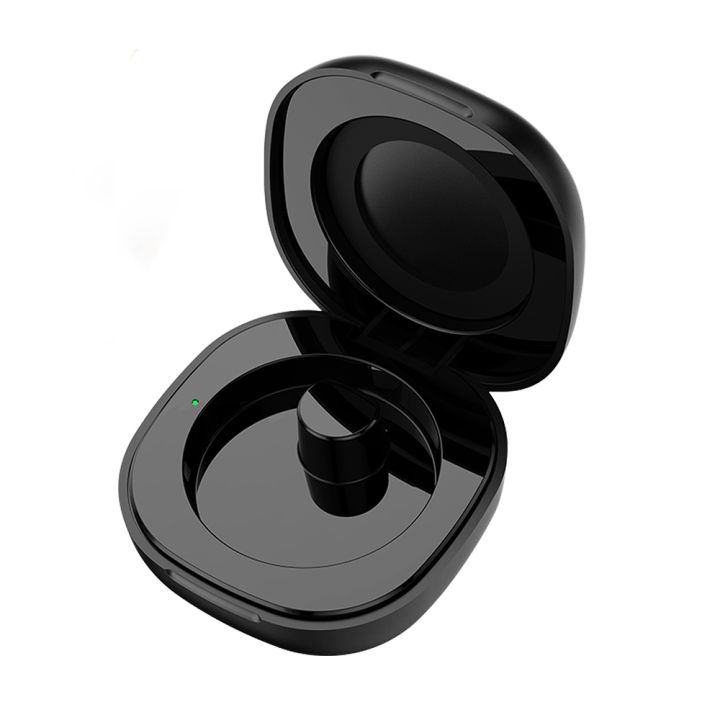
The same logic applies across a product family. The R1 smart health ring and the R2 smart ring with charging case may share a supplier and a plating house, but each is a separate article with its own surfaces, so each carries its own scope. When you quote a variant, ask which revision number the report names and check it against the drawing you are approving.
The document set around the nickel report
Nickel release does not travel alone. It sits inside a wider compliance pack that you should request as a bundle, per model and per hardware revision, so that nothing is quoted from an older build. The table below is the checklist we work to and the one we recommend you impose on any ring supplier.
| Document | What it covers | Revision trigger |
|---|---|---|
| EN 1811 nickel release | Nickel migration from skin-contact surfaces of the finished item | Plating, finish, colour, substrate or shell geometry change |
| REACH SVHC screening | Candidate list substances in materials and coatings | New supplier, new material lot, new coating |
| RoHS 3 | Restricted substances in electrical and electronic parts | New PCB, new component or new battery |
| CE RED (EN 300 328, EN 301 489, EN 62368-1) | Radio, EMC and safety for the wireless build | Antenna, radio module or charging circuit change |
| Battery UN38.3 and SDS | Transport classification and safety data for the cell | Cell model, capacity or charger change |
| UKCA | GB market conformity, on request | Same triggers as CE RED |
Where an importer should say no
There are three supplier answers that should end the conversation. The first is a report with no revision number, because you cannot tie it to the goods. The second is a report in the supplier's name only, with no route to assign or reference it for your own importer file. The third is a claim that the ring is nickel-free, which is a marketing statement rather than a test result and does not discharge your obligation.
- Ask for the laboratory name, its accreditation and the report date, and check the date against the last engineering change note.
- Ask for the test scope to name the finish and colour, not just the alloy family.
- Ask which surfaces were sampled, and confirm the inner band is included.
- Ask how a second colour or a revised shell will be handled, and get the answer in writing before tooling.
- Ask for the full bundle, not the nickel page alone, so you are not chasing documents at shipment.
If you are comparing suppliers on this basis, our notes on how to vet an AI wearable supplier set out the questions in the order that saves the most time, and the CE RED document checklist shows how the radio file sits alongside the materials file.
How the test is booked and documented per build
Certification is a test scope booked with an accredited laboratory for the hardware revision being built, not a status a factory holds in advance. In practice this means the plating specification is frozen, a finished sample is drawn from the line, and the laboratory report is issued against that revision. If the finish changes later, the scope is rebooked. Our own sequence for this is described on the how we build and test page, and the same gating applies to the wider Health & Wellness line and the AI wearables line.
Two commercial points follow. First, the test cost sits in the tooling and approval phase, so budget for it before you commit to a colour range rather than after. Second, minimum order quantities differ by product family: rings are quoted from 1,000 units, with logo at 500 and custom packaging at 1,000, and the full ladder is set out in our MOQ, sampling and lead times reference. Samples run three to five days from stock and seven to fifteen days configured, with the sample cost credited against mass production.
One boundary worth stating plainly: the ring reports wellness metrics as guidance and is not a diagnostic device, so the compliance conversation is about materials and radio, not clinical claims. For ODM variants where you control the shell, the OEM/ODM services page explains how the revision numbering is agreed so that each build keeps its own document set.
Before you place a ring order, send your supplier one written request: the EN 1811 report for the exact revision, finish and colour you intend to buy, with the laboratory accreditation stated, and a named contact for how a future colour addition will be handled. If the answer is vague, that is your signal to keep looking.
Questions buyers ask
Does every smart ring order need an EN 1811 test report?
Only if the ring is a skin-contact item, which a worn ring normally is. The test is booked per hardware revision, so a report from an earlier plating or shell revision does not cover the build you are buying.
Can I accept a supplier's old nickel report for a new ring colour?
No. A new plating bath, colour finish or shell material is a new revision and needs its own test scope. Ask for the report to name the revision, the finish and the laboratory accreditation.
Related: more on ai smart rings · buyer guides · customisation tiers