LiDAR Navigation Robot: A 30-Minute Buyer Walk-Through
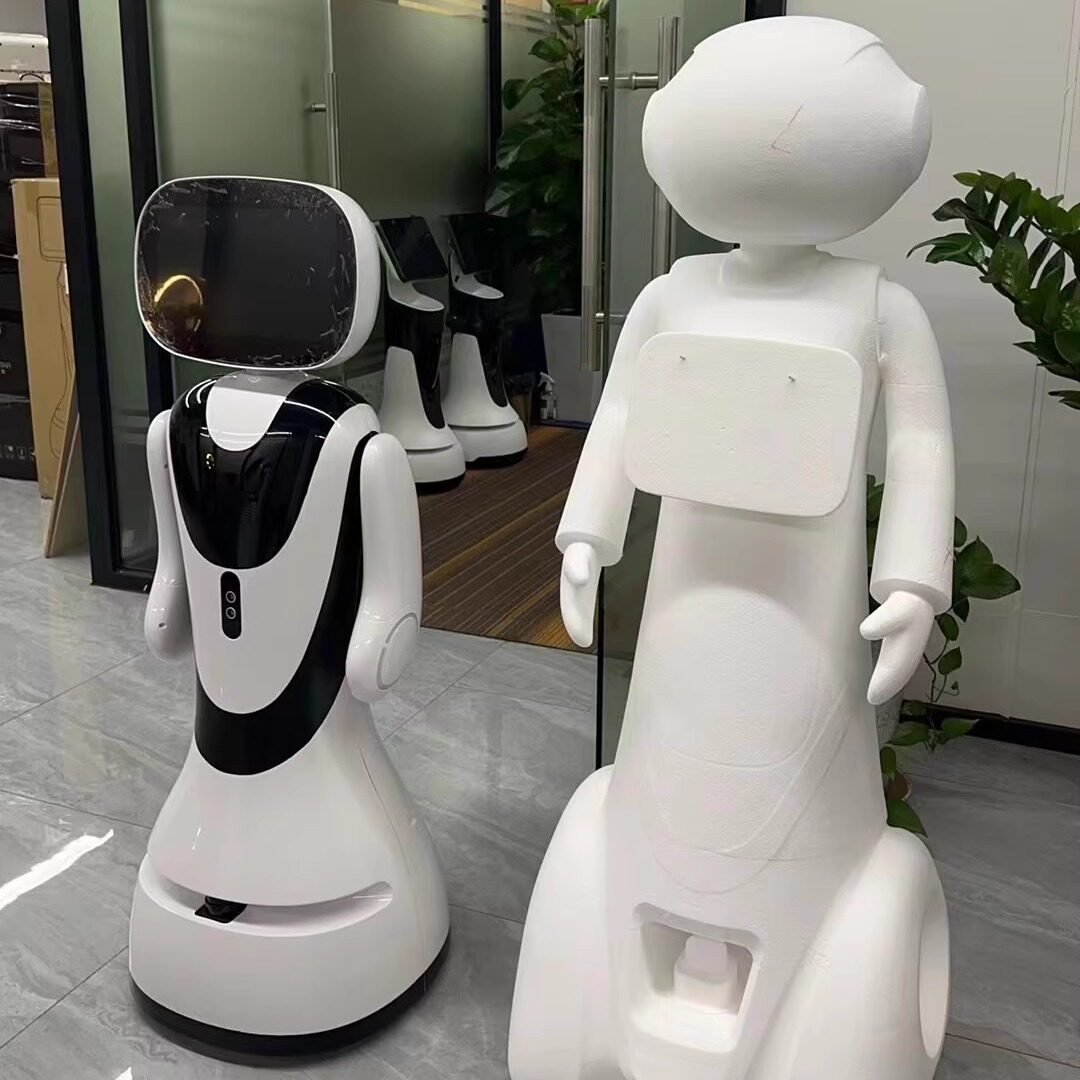
A LiDAR navigation robot demo is easy to stage and hard to read. The supplier controls the room, the lighting, the floor and the route, so a clean lap proves very little on its own. What you actually need from a 30-minute walk-through is evidence about how the robot behaves when the map is wrong, when a person steps in front of it, and when the floor changes under it. This article sets out what to observe, what to ask, and which answers should make you pause.
Start with the map, not the movement
Ask for the live map view on a laptop or tablet before the robot moves. Watch how quickly the map fills in and whether walls appear as lines or as clouds of noise. Then do the disruptive test: pick the robot up, turn it ninety degrees, and set it down. A competent AI device line build will re-localise within a few seconds and continue. If the operator has to restart the session, that is a SLAM navigation limitation you will inherit in every customer site.
Ask what happens when the map is deleted. Some platforms rebuild from scratch in a few minutes, others need a technician. For a distributor selling into facilities with changing layouts, this single answer affects your support load more than any specification sheet.
Obstacle avoidance: test the awkward cases
Flat cardboard boxes and clean chair legs are the easy version. Walk in front of the robot at an angle, not head-on. Place a glass panel or a mirrored surface in its path. Put a dark mat on a light floor. Drop a cable across the route. Each of these exposes a different sensor fusion decision, and obstacle avoidance quality is really the quality of that fusion.
Note the stopping distance and whether the robot stops or swerves. Both are valid designs, but they suit different deployments. A robot that swerves in a narrow aisle will clip shelving; one that only stops will block a corridor. Ask which behaviour is configurable in firmware and whether that setting is exposed to the end user or locked.
The 30-minute walk-through checklist
| Observation | What good looks like | Why it matters to you |
|---|---|---|
| Map build time | Completes in the room without operator intervention | Sets realistic expectations for end-user setup |
| Re-localisation after being moved | Recovers in seconds, no restart | Predicts field reliability and support tickets |
| Behaviour with glass or mirrors | Documented limitation, not a surprise | Affects which sites you can sell into |
| Floor transition | Thresholds and ramps crossed without stalling | Common failure point in real buildings |
| Noise and vibration | Measured by you, on your own phone | Matters for hospitality and office placements |
| Laser class statement | Provided as a document, per hardware revision | Part of the compliance file you will be asked for |
| Firmware update path | Explained, with a rollback route | Determines your long-term maintenance cost |
Compliance questions that belong in the same meeting
For a service robot, expect an EMC and low-voltage scope, a class 1 laser statement for the LiDAR and a documented risk assessment. Those are the items a European importer is most often asked to produce after the fact. Certificates are not held in advance of a build; the test scope is booked per hardware revision with an accredited laboratory, so ask which revision the paperwork will describe and what changes would invalidate it. Our CE RED document checklist shows the shape of that file even where the product category differs.
Keep the commercial and regulatory threads separate in your notes. EU and UK importer duties such as WEEE, BattG, DEEE/Triman, and EORI or VAT registration sit with the importer, not the factory. If a supplier implies otherwise, treat that as a reason to slow down rather than a reason to celebrate.
Where an importer should say no
Walk away, or at least pause, when any of the following appears:
- The demo is scripted and the operator refuses an unplanned route or an unexpected obstacle.
- No laser class statement exists and the answer is "it is fine, it is only a small sensor".
- Firmware is closed with no update path and no rollback described.
- The supplier will not state which documents are supplied per model and hardware revision.
- MOQ, tooling or sample terms are quoted verbally and never confirmed in writing.
None of these are fatal on their own, but together they describe a supplier who has not yet thought about the buyer's compliance file. Published terms help here: our MOQ, sampling and lead times page sets out the standard thresholds, including 500 units for standard runs, 50 units for service robots quoted per project, and sample cost credited against mass production.
Turning the walk-through into a specification
Before you leave the room, agree three things in writing: the navigation behaviours you observed, the documents that will accompany the shipment, and the revision those documents describe. If the platform is a companion or education device rather than a service robot, note that a companion robot is not a monitoring or emergency-response device, and that children's devices are governed by the age grading printed on the packaging. The learning robot and companion robot pages show how those boundaries are stated per model, and the factory page explains the QC gates your order will pass through. Send us the specification and the route you want tested, and we will walk it with you.
Questions buyers ask
What should I look for first in a LiDAR navigation robot demo?
Watch the map build in real time and check whether the robot re-localises after being moved or spun by hand. A stable map with fast recovery matters more than a smooth first pass.
Does LiDAR navigation change my compliance workload?
Yes, in two places. A laser class statement for the LiDAR module and a documented risk assessment are normally expected for service robots, on top of the EMC and low-voltage scope.
Related: more on ai robots · buyer guides · customisation tiers