Humanoid Robot Pilot: What a Two-Week Deployment Tests
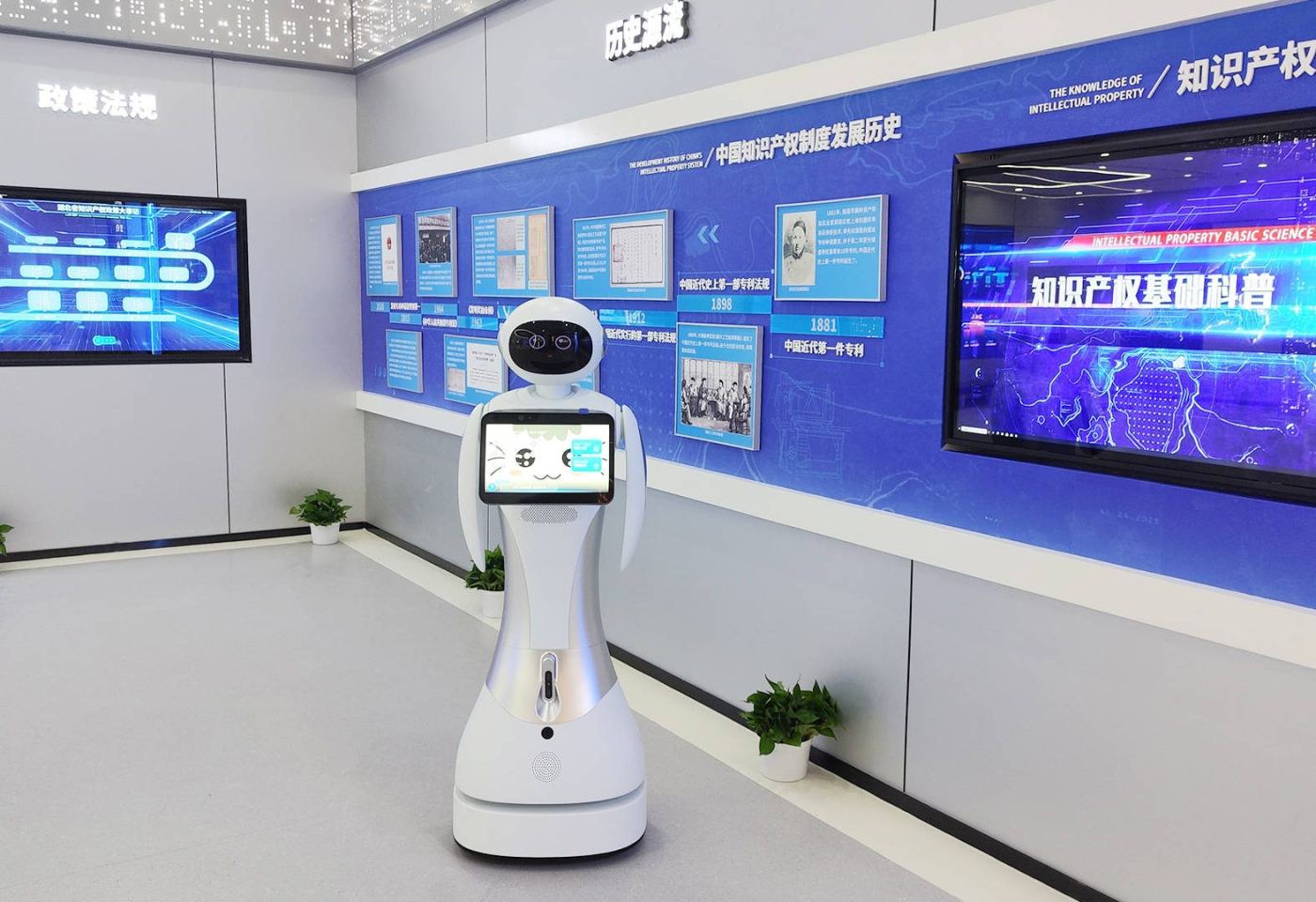
A two-week humanoid robot pilot is a site test, not a product test. It answers whether the unit survives your floor, whether your staff will work alongside it, and whether the supplier answers the phone on day four. It does not answer whether the platform is reliable over a year, whether your unit economics close, or whether the certification you were shown applies to the hardware revision you will actually receive. Buyers who confuse those two lists sign purchase orders on the strength of a demo.
What the pilot week actually measures
The first days are integration. Does the robot move through your lobby, corridor or dining room at the speed your operation needs, and does it hold position when a trolley crosses its path? On the humanoid robot platform, navigation depends on the LiDAR and sensor set fitted to that build, so the pilot tells you about that configuration on that floor, not about the model family. The middle days are human: staff tolerance, guest reaction, whether anyone blocks it deliberately. The last days are support: how fast a fault is diagnosed, whether a spare part exists, whether the vendor's engineer can read a log without flying in.
Questions a pilot answers
A well-scoped pilot gives you usable answers on the following, and you should write them into the trial agreement before the unit ships.
- Does the unit complete the intended task in your real layout, with your real traffic, at your real pace?
- Do staff accept it, and does acceptance hold after the novelty fades in week two?
- What is the fault rate over the trial, and how were faults diagnosed and closed?
- Does the vendor's documentation match the delivered unit, including the CE RED file scope?
- What does the vendor need from you to quote a production configuration accurately?
That last point matters more than it looks. A pilot that ends without a written configuration freeze just restarts the conversation at quotation stage.
Questions a pilot cannot answer
Two weeks cannot tell you about long-run mechanical wear, battery ageing, or how the platform behaves after a firmware update you have not seen. It cannot tell you your total cost of ownership, because service hours, spare parts and importer obligations are outside the trial. It cannot tell you whether the certification transfers: CE RED, FCC Part 15 B/C and the safety scope are booked per hardware revision with an accredited laboratory, and a pilot unit is not proof that the shipping build will pass. If a supplier presents a pilot as evidence of certification, that is a reason to slow down, not to accelerate.
Compliance and acceptance criteria to fix before day one
Acceptance criteria belong in the pilot agreement, not in a later email. Agree the pass and fail conditions in writing, and agree who pays return freight if the unit fails.
| Item | What to fix before the pilot | Why it matters |
|---|---|---|
| Site scope | Named rooms, hours, traffic conditions | Prevents a pass on a quiet floor being read as a pass everywhere |
| Acceptance test | Written pass/fail list, signed by both sides | Turns opinion into a decision |
| Document set | CE RED, FCC, RoHS 3, REACH SVHC, UN38.3 + SDS per revision | Confirms the file matches the delivered build |
| Laser and risk | Class 1 laser statement, documented risk assessment | Standard for service robots with LiDAR |
| Importer duties | WEEE, BattG, DEEE/Triman registration, EORI and VAT | These sit with the importer, not the factory |
| Data and GMS | Confirm whether Google Play or GMS is licensed | It is not licensed by default |
For the document side, work from the CE RED document checklist and apply the same discipline to the robot build. If your pilot unit is a companion-style device rather than a service platform, note that a companion robot is not a monitoring or emergency-response device, and that health metrics are wellness guidance rather than diagnosis. Translation features, where fitted, are reference output only. Any device aimed at children is governed by the age grading printed on the packaging, which decides whether toy scope applies.
Scoping the pilot into a production decision
Run the pilot against a configuration you could actually buy. Order a configured sample rather than borrowing a demo unit, because stock samples ship in 3-5 days and configured units in 7-15 days, and the sample cost is credited against mass production. Check the published MOQ, sampling and lead times before you commit: service robots are quoted per project from 50 units, while the AI robots line and the wider AI device line carry different thresholds depending on whether you need logo, custom packaging or white-label firmware. If the pilot succeeds, the next step is a written configuration freeze and a quotation against it; if you need tooling changes, OEM/ODM services run on a 12-20 week tooling cycle, so plan the calendar before the pilot ends. Production itself runs 25-35 days, with 30-40 days for education builds, and every order ships with 12 months warranty and 2 % free replacement parts. Ask for the QC gate record from the factory covering IQC, IPQC, FQC and OQC at AQL 2.5 major and 4.0 minor, and treat a vendor who cannot produce it as a vendor who has not been audited.
Before the unit leaves your site, hold a one-hour close-out with the vendor and agree three documents: the signed acceptance result, the frozen configuration with its hardware revision, and the document list that revision must carry at shipment. Book the pilot sample now, and make the close-out meeting a condition of the trial rather than a follow-up.
Questions buyers ask
What can a two-week humanoid robot pilot actually prove?
It proves whether the unit integrates with your site, whether staff and guests accept it, and whether the vendor supports you during a fault. It cannot prove unit economics, reliability over a year, or that certification will transfer to your hardware revision.
Should I order a pilot unit or go straight to mass production?
Order a configured sample first. Stock samples ship in 3-5 days and configured units in 7-15 days, and the sample cost is credited against mass production, so the pilot is cheap insurance against a wrong specification.
Related: more on ai robots · buyer guides · customisation tiers