Service Robot Procurement: A European Buyer's Checklist
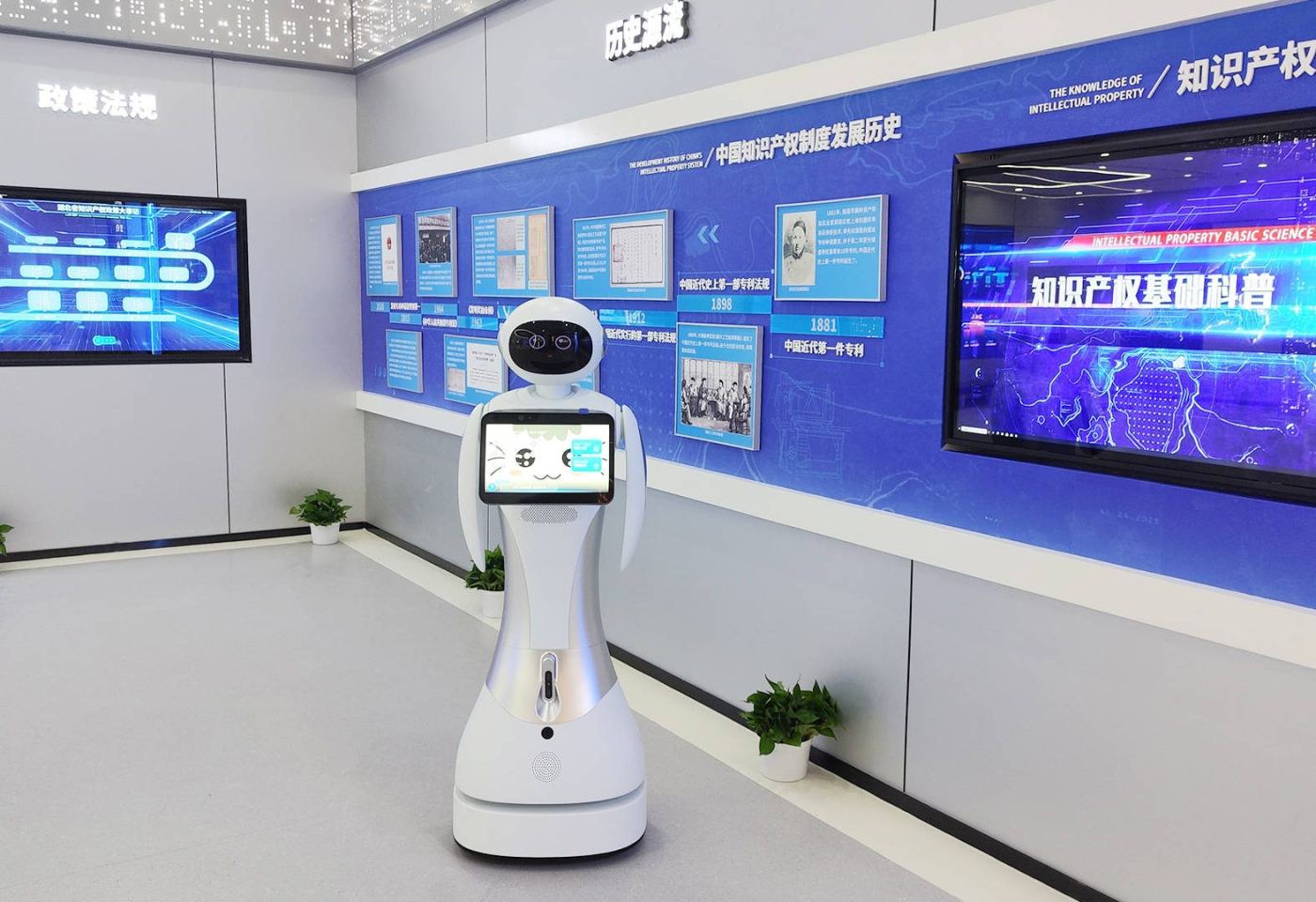
Service robot procurement in Europe rarely fails on the robot itself. It fails on the gap between a successful trial and a signed acceptance protocol, and on what happens in month fourteen when a wheel assembly wears out. Buyers who treat a reception or cleaning robot as a project rather than a catalogue purchase get better outcomes, because the supplier is forced to commit to documents, spares and revision control before the deposit clears. This checklist covers the points that decide whether a deployment scales or stalls.
Start with the compliance file, not the demo
A polished demo tells you the robot works in a showroom. The compliance file tells you whether it can be placed on the EU or UK market at all. For service robots, ask for the CE RED document set covering EN 300 328, EN 301 489 and EN 62368-1, alongside RoHS 3 and REACH SVHC screening. Because service robots move and sense, the file should also include a class 1 laser statement for the LiDAR and a documented risk assessment. Our CE RED document checklist explains how to read these documents line by line, and the same discipline applies here. Where the robot incorporates a learning or companion function aimed at younger users, toy scope under EN 71-1/-2/-3 and EN 62115 is decided by the age grading printed on the packaging and must be booked with an accredited laboratory per build, not assumed from a previous revision.
Trial units and the acceptance criteria that follow
A trial without written acceptance criteria is a free pilot for the supplier. Before the unit ships, agree what "pass" means: navigation reliability in your actual floor plan, cleaning path coverage, docking behaviour, noise level during operating hours, and how the robot behaves when a person steps into its path. Configured samples typically take 7-15 days, and sample cost is credited against mass production, so a properly specified trial unit is not wasted spend. Document the firmware version tested, because acceptance applies to that revision. Our notes on MOQ, sampling and lead times set out how these stages sequence.
Commercial terms specific to service robots
Service robots are quoted per project from 50 units, which is a different commercial shape from the 500-unit standard MOQ that applies to most of our lines. That flexibility cuts both ways: it makes a pilot affordable but means tooling, custom packaging and white-label firmware need explicit line items rather than assumptions. Production runs 25-35 days, with ODM tooling at 12-20 weeks where a new housing is involved. Decide early whether you are buying a configured standard platform or commissioning an ODM variant, and read OEM/ODM services before you brief a supplier on either.
| Decision point | What to agree in writing |
|---|---|
| Compliance scope | CE RED, RoHS 3, REACH SVHC, UN38.3 + SDS, LiDAR laser statement, risk assessment — per hardware revision |
| Toy scope | Whether EN 71 / EN 62115 applies, decided by age grading on packaging, booked per build |
| Trial acceptance | Named criteria, test environment, firmware version under test, sign-off owner |
| Spare parts | 12-month warranty, 2 % free replacement parts with order, consumable list and reorder lead time |
| Importer duties | WEEE, BattG, DEEE/Triman registration, EORI and VAT sit with the importer, not the factory |
| Software licensing | Google Play / GMS is not licensed by default; confirm what ships and what you must license |
Spare parts and the fourteen-month problem
Ask any facilities manager what breaks first and the answer is rarely the compute module. It is wheels, brushes, bumpers, charging contacts and battery packs. A 12-month warranty with 2 % free replacement parts shipped with the order covers the first year, but you need a consumable list with reorder lead times before you commit to a fleet. Confirm whether spares are tied to a hardware revision, because a mid-year board change can strand your stock. QC runs through IQC, IPQC, FQC and OQC gates at AQL 2.5 major and 4.0 minor, and you can see how that maps to finished units on our factory page.
Where an importer should say no
- No compliance file per hardware revision — a certificate for last year's board is not evidence for this one.
- No written acceptance criteria before the trial unit ships.
- No consumable spare list or stated reorder lead time.
- No clarity on who holds WEEE, BattG and DEEE/Triman obligations.
- Claims that a companion or reception robot monitors people or calls emergency services. It does not, and a supplier who says otherwise is describing a product that does not exist.
- Health or translation features presented as diagnostic or certified. Wellness metrics are guidance only and translation output is a reference translation.
If you are weighing a reception or cleaning deployment, the practical next step is to send us the specification: floor area, operating hours, interface expectations, target market and whether you want a configured platform or an ODM variant. We will come back with a project quote from 50 units, a document list matched to your market, and a sampling schedule. Start from the product catalogue or send the brief directly through our contact page, and keep the journal and buyer resources open while you build the acceptance protocol.
Questions buyers ask
What documents should accompany a service robot shipment to the EU?
Expect CE RED documents covering EN 300 328, EN 301 489 and EN 62368-1, plus RoHS 3, REACH SVHC screening and battery UN38.3 with SDS. For service robots, also request an EMC and low-voltage scope, a class 1 laser statement for the LiDAR and a documented risk assessment.
How are service robot orders quoted?
Service robots are quoted per project from 50 units, unlike the standard 500-unit MOQ for other lines. Sampling, tooling and customisation terms should be agreed in writing before deposit.
Related: more on ai robots · buyer guides · customisation tiers