Audio Guide Cabinet Installation in Protected Buildings
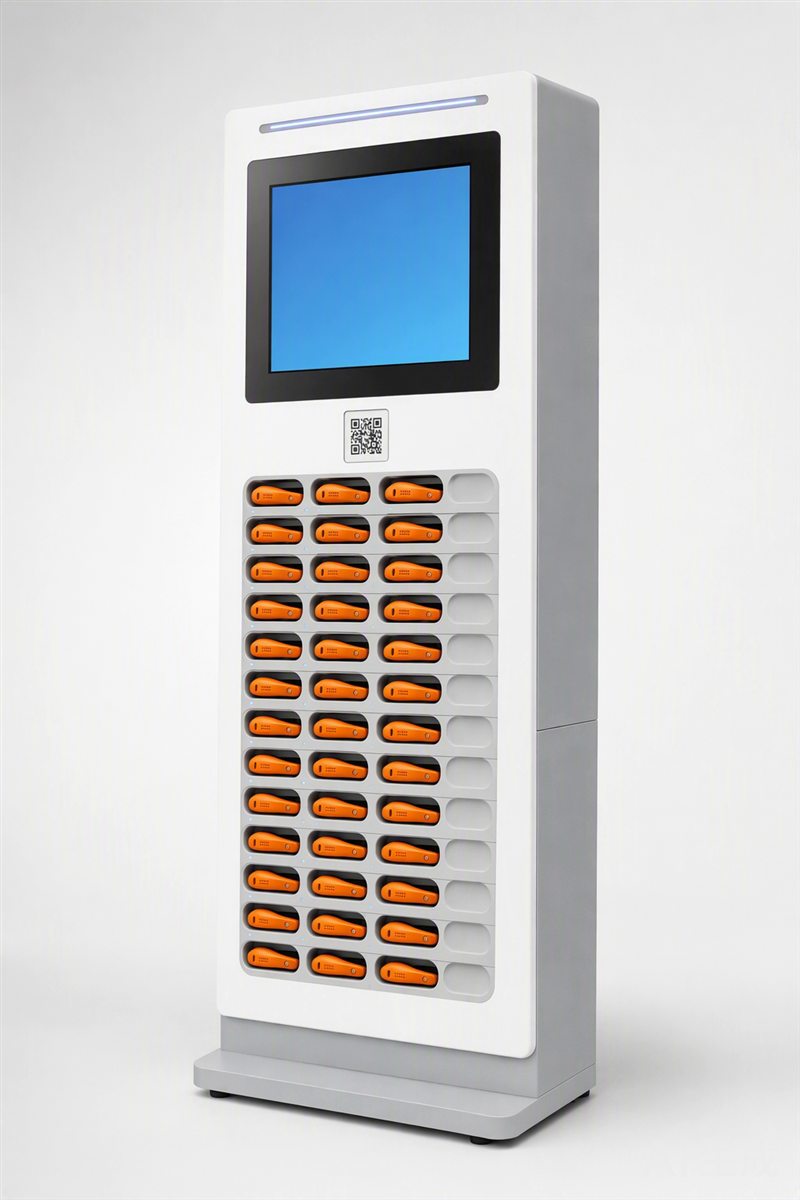
A facilities lead rarely opens a briefing with the device. The first questions are about the wall, the floor, the supply and who is allowed to touch any of them. In a protected or heritage building those questions are not administrative detail; they decide whether an audio guide cabinet installation is possible at all, and at what cost. Getting the answers before a supplier is asked to quote saves a redesign later.
Start with the building, not the hardware
Listed status, conservation-area rules and internal fit-out controls differ by country and often by municipality, so the constraint is defined locally rather than by the product. What a supplier can do is keep the equipment reversible: a cabinet that stands on its own base, a cable route that runs along existing skirting rather than through plaster, and a mounting method that leaves no fixing in historic fabric. Ask for the footprint, the weight distribution and the fixing points in writing before you commit to a location. If the only viable position needs a new circuit chased into a protected wall, that is usually the point to say no and find a different room.
Power and unattended operation
An unattended cabinet is a permanently energised load in a space that may be closed for hours. That changes the risk conversation. The buyer needs the input rating, the type of power supply shipped with the revision, and a clear statement of what the cabinet does when mains power is interrupted. A rental cabinet design usually assumes a charging shelf and a defined return procedure, so the operator's routine matters as much as the electronics. Where the supply is shared with lighting or a fire system, isolate it. Where the room is unheated, check the operating temperature range stated for the revision you are quoting rather than assuming a figure from an earlier build.
What the supplier should be able to document
Ask for the same document set per model and hardware revision that applies to the rest of the range. For a mains-powered cabinet that means CE RED scope covering EN 300 328, EN 301 489 and EN 62368-1, FCC Part 15 B/C for the US and Canada, UKCA on request, plus RoHS 3 and REACH SVHC screening. Certification is a test scope booked with an accredited laboratory for a specific hardware revision, not a permanent property of a product family, so the revision number on the report must match the revision on the order. Battery packs travel with UN38.3 and an SDS, and the watt-hour rating is printed on each unit. Our CE RED document checklist shows how that mapping is normally presented.
| Checkpoint | What to request | Why it decides the project |
|---|---|---|
| Fixing method | Footprint, weight, base or ballast option | Determines whether the cabinet is reversible |
| Cable route | Proposed path and surface protection | Conservation officer approval usually depends on it |
| Supply | Input rating and power supply type | Needed before an electrician quotes |
| Mains interruption | Documented behaviour and restart | Affects unattended opening hours |
| Revision control | Test reports matched to revision number | Certificates are revision-specific |
| Battery transport | UN38.3 summary and SDS per unit | Required for air and sea movement |
| Importer duties | WEEE, BattG, DEEE/Triman registration | Sits with the importer, not the factory |
Devices, spares and the operator routine
Once the room is settled, the device mix is a commercial choice. A guide player paired with an open-ear receiver suits mixed groups; a rental cabinet suits self-service entry. The wider AI Audio Guides line covers both patterns, and a pocket translator is worth quoting where the audience is international. Plan the spares ratio before the first order: warranty runs 12 months with 2 % free replacement parts shipped with the order, which is a starting point, not a service contract.
- Confirm the room is permitted for a free-standing unit before requesting a quote.
- Have a competent person assess the supply and protective devices on site.
- Match the test report revision number to the revision you are buying.
- Agree who registers WEEE, BattG and packaging duties in the destination country.
- Write the operator routine for charging, cleaning and fault reporting.
Where an importer should say no
Walk away from a supplier who offers a certificate without a revision number, who cannot state the input rating of the cabinet being quoted, or who treats importer registration as the factory's responsibility. Those three gaps reappear at customs, at the first insurance review or at the first conservation inspection. It also helps to know the commercial frame before the technical conversation goes far: standard MOQ is 500 units, logo 500, custom packaging 1,000, firmware or app white-label 2,000, while service robots are quoted per project from 50 units. Lead times and sample windows are set out in our MOQ, sampling and lead times note, and the factory page explains the QC gates at AQL 2.5 major and 4.0 minor. If your brief is unusual, OEM/ODM services cover tooling, but expect 12 to 20 weeks before the first build.
Send the room plan, the proposed fixing method and the destination country to your supplier, and ask for a written statement of the input rating and the revision-specific test scope in return. That single request separates a workable heritage installation from a costly retrofit.
Questions buyers ask
Can we install an audio guide cabinet in a listed building without drilling into the fabric?
Yes, if the cabinet is treated as reversible equipment rather than building services. Free-standing or ballasted bases, floor protection pads and cable routes that follow existing skirting avoid fixing into historic fabric.
Who is responsible for power safety in an unattended cabinet?
The importer or operator who places the cabinet on site carries the duty to have the supply and protective devices assessed by a competent person. The supplier's role is to document the input rating and the charger or power supply that ships with the revision you buy.
Related: more on ai audio guides · buyer guides · customisation tiers