Age Grading Companion Robot: Toy or Adult Device?
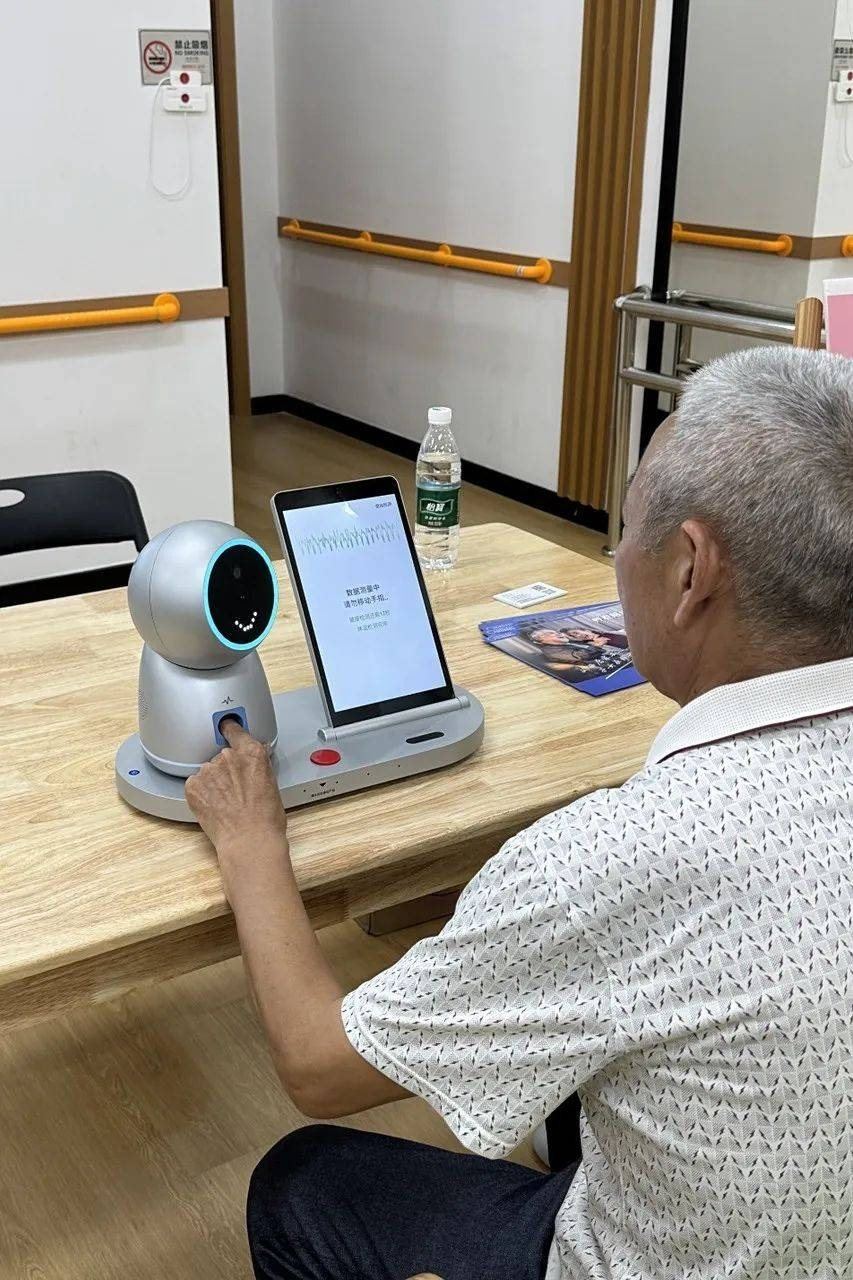
Most arguments about companion robot compliance are really arguments about one printed line: the age grading on the box. That label is not decoration. In the EU and UK it decides whether the Toy Safety Directive 2009/48/EC applies, which pulls in the EN 71 series and EN 62115, and it decides which retail channel may legally list the product. Change the number on the artwork and you change the test scope, the packaging, the warnings and the importer's liability. The decision is cheapest to make before tooling, and most expensive to reverse afterwards.
What the age grading actually triggers
An age grading aimed at children under 14 brings the product into toy scope. That means EN 71-1 for mechanical and physical properties, EN 71-2 for flammability, EN 71-3 for migration of certain elements, and EN 62115 for electric toys. It also means a technical file, a declaration of conformity, warning text in the language of each market, and a CE mark applied on that basis. An adult age grading removes the toy scope but does not remove anything else: radio equipment still falls under CE RED, electrical safety still applies, and battery transport documents still travel with the goods.
Some products sit awkwardly in the middle. A plush companion with a speaker and a radio module can read as a toy to a market surveillance authority even when the box says 14+. The practical defence is a documented rationale for the grading, written before the artwork is signed off, that explains the intended user, the play value and the marketing. If the rationale is thin, the label will not save you.
The document set changes with the decision
Buyers often ask for one certificate and assume it covers everything. It does not. Documents are issued per model and per hardware revision, and the toy scope is booked with an accredited laboratory per build. A change of enclosure material, a new battery, a different speaker or a revised firmware that alters sound pressure can invalidate the tested configuration. When you request paperwork, ask which hardware revision it belongs to and whether the revision you are ordering is the one tested.
For the radio and electrical side, the usual set is CE RED covering EN 300 328, EN 301 489 and EN 62368-1, plus FCC Part 15 B/C for North America and UKCA on request. Add RoHS 3, REACH SVHC screening, battery UN38.3 with SDS, and EN 1811 nickel release for anything that touches skin. The CE RED document checklist is a useful template for assembling that file, and the same logic applies whether the product is a wearable or a desktop companion.
A checklist for the grading meeting
Run this before you approve packaging artwork. Each row is a decision, not a document request.
| Decision point | If graded as a toy | If graded as an adult device |
|---|---|---|
| Test scope | EN 71-1/-2/-3 and EN 62115, booked per build | CE RED, electrical safety, EMC only |
| Warning text | Age warnings and language versions on pack | Standard radio and battery warnings |
| Retail channel | Toy aisles and toy catalogues | Electronics and lifestyle channels |
| Importer duties | WEEE, BattG, DEEE/Triman, EORI/VAT with the importer | Same duties, different evidence file |
| Marketing claims | Must match play value and intended age | Must avoid child-directed imagery |
| Change control | Material or battery change can void the test | Radio or safety change can void the test |
Where the channel and the label collide
A toy grading opens toy retail but closes some electronics listings, and the reverse is also true. Marketplace category rules, insurance terms and retailer buying policies all key off the printed age. If your commercial plan is adult gifting, an under-14 label creates a mismatch that a compliance team will catch at onboarding. If your plan is toy retail, an adult label will be refused at the buying meeting.
Two product families illustrate the split. A companion robot sold as an adult desk device carries radio and electrical documents and no toy scope. A learning pad aimed at younger users usually needs the full toy file, with the age grading printed on the packaging governing the outcome. The same factory can build both, but not under one test report.
Keep the language precise in your own listings. Health metrics from a smart health ring are wellness guidance and never diagnosis. Translation output is a reference translation, not a certified, legal or medical one. A companion robot is not a monitoring or emergency-response device, and no firmware update changes that. Google Play and GMS are not licensed by default, so confirm that before you plan an app store listing.
Questions to put to any supplier
- Which age grading appears on the packaging, and what written rationale supports it?
- Which hardware revision does each test report cover, and does it match my order?
- Which accredited laboratory booked the toy scope, and can I see the scope statement?
- What change control process triggers a retest, and who pays for it?
- Which documents ship with the goods: UN38.3 summary, SDS, DoC, test reports?
- Which importer duties stay with me, and which do you handle?
Use the supplier vetting guide to structure those answers, and be willing to walk away from a supplier who treats certification as a marketing asset rather than a per-build test. The factory and test page shows how IQC, IPQC, FQC and OQC gates sit alongside document control at AQL 2.5 major and 4.0 minor.
Cost, MOQ and the point of no return
Tooling is where the label becomes expensive to change. Standard MOQ is 500 units, with logo at 500, custom packaging at 1,000 and firmware or app white-label at 2,000. Companion models sit at 1,000 units, and ODM tooling runs 12 to 20 weeks. Samples take 3 to 5 days from stock or 7 to 15 days configured, with sample cost credited against mass production. Production is 25 to 35 days, longer for education builds. Terms are EXW, FOB Shenzhen or DDP by air or sea, with a 12-month warranty and 2 % free replacement parts shipped with the order.
None of that matters if the age grading is wrong, because a retest after tooling means new packaging plates and possibly a new enclosure. Decide the grading first, then the artwork, then the tooling. If you want the scope reviewed against your target market, send us the specification with the intended age, the channel and the markets, and we will confirm which test scope applies to the revision you are quoting.
Related: more on ai companions · buyer guides · customisation tiers