Companion Robot Monitoring Boundaries in Care Settings
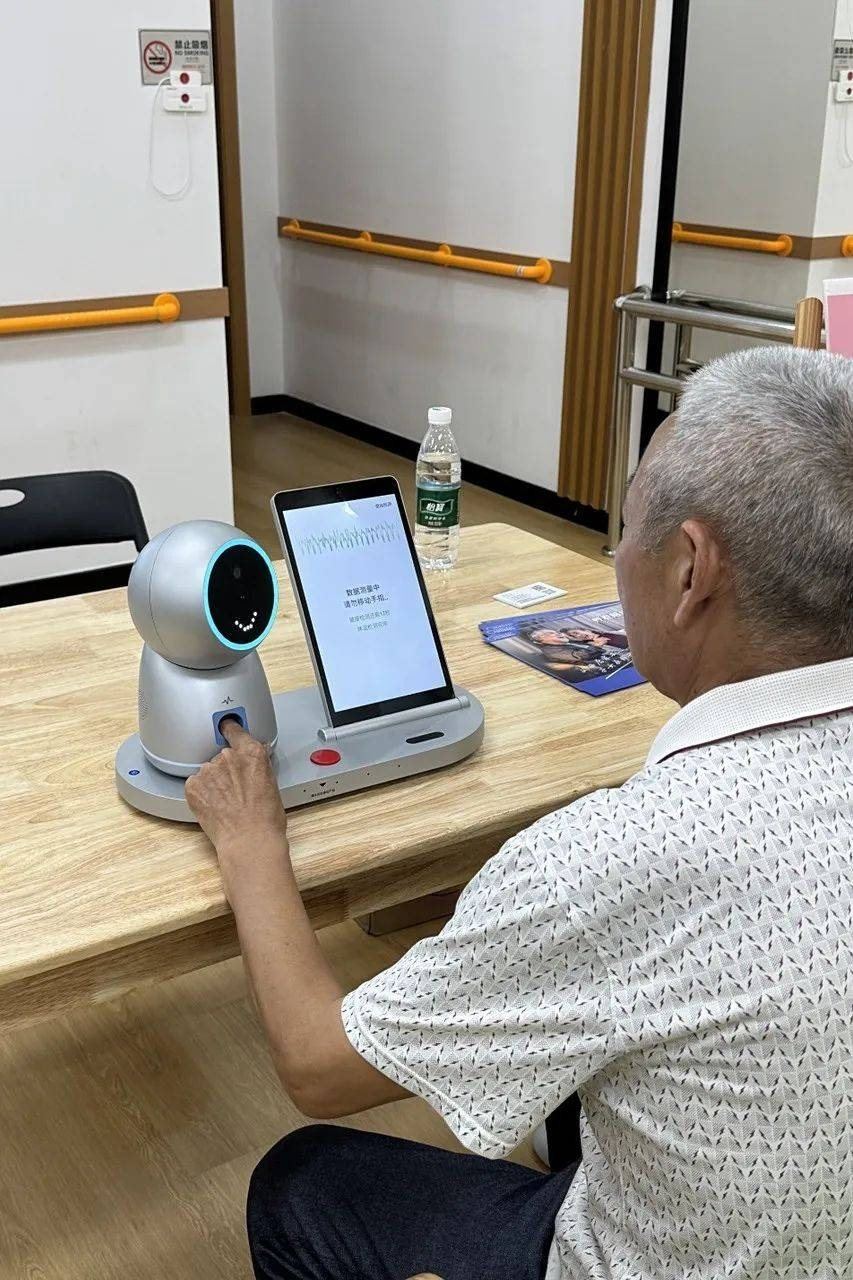
Companion robots enter care settings with high expectations—but also high scrutiny. Families, regulators and care providers increasingly ask where supportive interaction ends and surveillance begins. WingPhoenix’s position is unambiguous: no device in the companion robot line is designed, certified or marketed for monitoring. This distinction is embedded in factory policy, documentation scope and hardware revision control—not just marketing language. Understanding how that boundary is drawn, tested and enforced helps procurement teams avoid compliance exposure and reputational risk before deployment.
What “Non-Monitoring” Means in Practice
A companion robot supports engagement, routine prompts and voice-assisted wellness guidance. It does not log movement patterns, infer distress, trigger alerts or retain audio/video streams beyond immediate processing. Any sensor addition—such as a camera or motion array—requires separate lab testing, documented risk assessment and explicit agreement on data retention duration and deletion triggers. That process starts with an OEM/ODM consultation, not a spec sheet. For reference, the full scope of OEM/ODM services includes firmware-level data-handling constraints, which are validated at FQC and documented per hardware revision.
Consent Is Not Optional—It’s Embedded in Deployment
Resident consent applies to three layers: physical presence (e.g., placement in private rooms), data capture (even anonymised audio snippets), and third-party integration (e.g., linking to care management software). WingPhoenix supplies no pre-built integrations with clinical or monitoring platforms. All connectivity is opt-in, configurable and auditable. The R1 smart health ring, for example, operates entirely offline unless paired with user-consented cloud sync—and even then, raw biometric data remains on-device unless explicitly exported. This principle extends across the Health & Wellness line.
Data Retention: Policy, Not Promise
WingPhoenix publishes no default data retention period because none exists in firmware. Local law determines retention; the device enforces it. When a customer specifies a 72-hour audio buffer for voice-command debugging, that scope is tested, documented and locked to that hardware revision. Every revision carries its own CE RED document checklist, including clauses on storage duration, encryption standards and erasure protocols. These are booked with accredited labs—not assumed.
Compliance Is Revision-Specific, Not Model-Wide
A CE mark covers only the exact configuration tested: battery chemistry, antenna gain, firmware version and sensor suite. Adding a camera to the K1 changes its EMC profile, thermal envelope and privacy impact—requiring retesting under EN 300 328, EN 62368-1 and GDPR-aligned technical documentation. That is why WingPhoenix treats every hardware revision as a discrete compliance event. The how we build and test page details IQC/IPQC/FQC/OQC gates, all calibrated to AQL 2.5 major. No revision ships without full documentation—including UN38.3 summaries for batteries and EN 1811 nickel release reports for skin-contact parts.
| Decision Point | WingPhoenix Guardrail | Procurement Action Required |
|---|---|---|
| Camera inclusion | No default camera; optional only per project, with full risk assessment | Require lab report + consent workflow documentation before PO |
| Audio recording | Buffer duration fixed per revision; no cloud upload without explicit firmware config | Verify firmware version matches signed test summary |
| Battery specification | No capacity/wattage published until datasheet exists for that revision | Confirm UN38.3 + SDS shipped with order; WH rating printed on unit |
| Age grading | Determined by packaging label; triggers EN 71 / Toy Safety Directive lab booking | Validate lab certificate matches printed age range |
| LiDAR use | Class 1 laser statement required; included in EMC/LVD scope | Request laser classification letter with compliance dossier |
| EU/UK importer duties | WEEE, BattG, DEEE/Triman, EORI/VAT responsibilities sit with importer | Confirm duty registration status before DDP shipment |
- Review your care provider’s internal consent framework against the how to vet a supplier checklist
- Identify whether your deployment requires camera, extended audio buffering or health metric logging—and confirm those features are scoped, tested and documented per revision
- Download the full product catalogue to cross-reference model numbers with published compliance scopes
- Use the buyer resources section to access CE RED checklists, RoHS declarations and battery SDS templates
- Send your full hardware and firmware specification to send us the specification for formal lab booking confirmation
The line between companionship and monitoring is not technical—it is procedural, documented and enforceable. WingPhoenix builds to that standard: every revision is tested, every scope is declared, every compliance document maps to a physical unit. To begin aligning your procurement with this discipline, send us the specification for your intended configuration, and request the lab test schedule and documentation package for that exact build.
Questions buyers ask
Can a companion robot legally monitor residents in a care home?
No. WingPhoenix defines its <a href="https://wingphoenixai.com/products/ai-devices/k1-ai-companion-robot/">companion robot</a> strictly as a non-monitoring device. It delivers wellness guidance and conversational interaction—not fall detection, ambient sensing or emergency response—and carries no health or safety certification for such functions.
Where does consent apply when deploying AI devices in residential care?
Consent governs both physical placement and data handling. Camera use falls under local data protection law, not product capability; the <a href="https://wingphoenixai.com/products/ai-devices/k1-ai-companion-robot/">K1 companion robot</a> includes no default camera functionality unless explicitly added per project—and even then, all imaging hardware must be disclosed, justified and consented to per resident or legal representative.
Related: more on ai companions · buyer guides · customisation tiers