Wearable Sweat Durability: What IP Ratings Hide
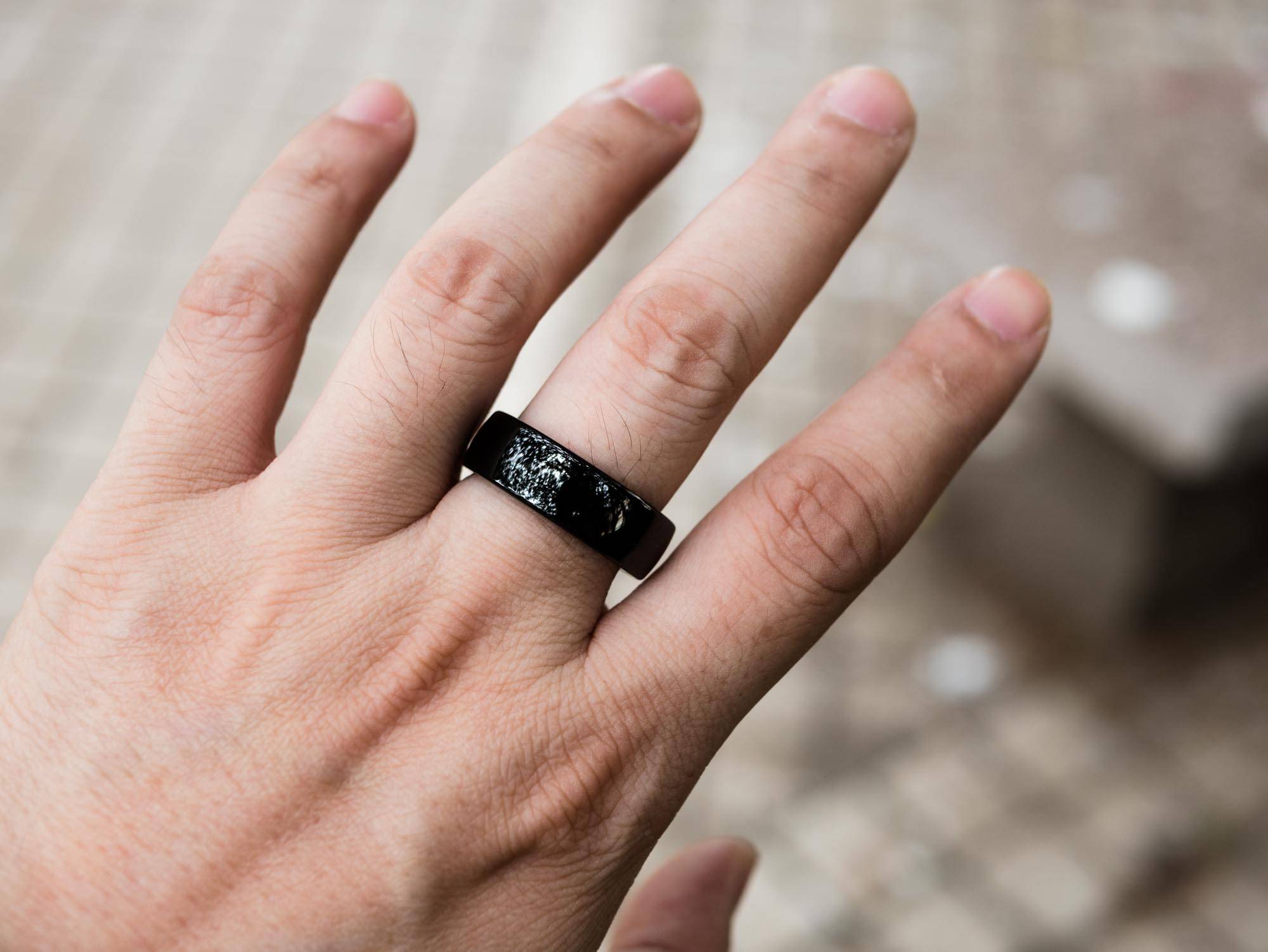
What “Waterproof” Does Not Mean for Sweat
IP67 and IP68 ratings confirm protection against temporary immersion in clean, still, room-temperature water — not against the dynamic chemical and thermal environment of human sweat. Sweat contains sodium chloride, urea, lactic acid and trace metals. When evaporated on sensor windows, it leaves conductive residues that alter optical transmission and accelerate adhesive hydrolysis. Shower steam introduces rapid thermal cycling (35 °C to 55 °C in under 90 seconds), which stresses bond lines far more than static immersion tests. These mechanisms fall outside EN 60529 and are not assessed during CE RED or FCC certification. For this reason, all models in the Health & Wellness line carry explicit user instructions on post-wear cleaning and weekly optical window inspection.
Sensor Window Sealing: A Three-Layer Challenge
A functional sensor window must survive mechanical abrasion, chemical attack and thermal delamination. WingPhoenix uses a triple-barrier approach: first, a UV-cured optical-grade silicone gasket; second, a plasma-treated polycarbonate substrate; third, a nano-coating applied post-assembly to repel electrolytes. Each layer is tested individually at IQC and as a system at FQC using accelerated salt-spray (ASTM B117, 48 hours) and thermal shock (−20 °C to +70 °C, 500 cycles). This is documented per hardware revision in the how we build and test protocol, not bundled into general IP claims.
Shower Steam: The Silent Stressor
Steam condensation inside enclosures is rarely visible until fogging appears — but by then, micro-condensation has already compromised adhesive integrity and caused early-stage oxidation of flex circuit traces. Unlike immersion, steam penetration occurs along capillary paths: between bezel and housing, around button actuators, and across seam interfaces where tolerances exceed 0.05 mm. Our health smartwatch and health ring undergo steam exposure testing per IEC 60068-2-52, but only for the base enclosure — not for accessory interfaces like charging pogo pins or strap mounts. That gap is managed through design-for-service: all serviceable joints are accessible without heat guns or solvents.
Warranty Scope vs. Real-World Degradation
The 12-month warranty covers manufacturing defects verified at OQC, including solder joint failure, battery swelling and display burn-in. It does not cover performance degradation from environmental exposure — such as reduced photoplethysmography signal-to-noise ratio due to sodium residue on optical windows, or haptic motor weakening from repeated thermal expansion. Replacement parts (2 % included) are intended for field repair of discrete components, not system recalibration. Distributors should refer customers to the cleaning protocol in the user manual, not to warranty claims, for fogging or sensor dulling. Full terms are outlined in the MOQ, sampling and lead times document.
Where to Say No to a Supplier Claim
If a supplier states their device “meets ISO 10993 biocompatibility for continuous sweat contact”, ask for the full test report referencing ISO 10993-5 (cytotoxicity), -10 (irritation), and -12 (sample preparation). WingPhoenix does not perform ISO 10993 testing — nor do we claim it. Skin-contact items comply with EN 1811 for nickel release, and that is the only biocompatibility requirement stated in our factory policy. Any broader claim implies regulatory responsibility the importer cannot assume. Do not accept it without a signed declaration of conformity backed by a certified lab report naming the exact material lot and test date. For context, our smart ring with charging case and companion robot both follow this principle: precise, auditable, limited scope.
| Test or Requirement | Covered in CE RED? | Covered in Factory Policy? | Verified Per Hardware Revision? |
|---|---|---|---|
| IP68 immersion (fresh water) | Yes, via EN 60529 reference | No — listed separately in factory spec sheets | Yes, at FQC |
| Salt-spray resistance (ASTM B117) | No | Yes — for sensor window assembly only | Yes, with lab report |
| EN 1811 nickel release | No — separate directive | Yes — for skin-contact builds | Yes, per batch |
| Thermal shock (IEC 60068-2-52) | No | Yes — enclosure only | Yes, at FQC |
| ISO 10993 biocompatibility | No | No — explicitly excluded | No |
| CE RED RF immunity (EN 301 489) | Yes | Yes — required for market access | Yes, with test summary |
| Battery UN38.3 + SDS | No — transport regulation | Yes — for every battery order | Yes, shipped with goods |
Procurement Guidance for Durability-Critical Orders
When sourcing for high-sweat-use cases — gym equipment integration, occupational wellness programs or clinical trial support — specify the following at quotation stage: (1) request the salt-spray test report for the latest sensor window revision; (2) confirm inclusion of the EN 1811 certificate for the exact metal alloy used; (3) verify that the OEM/ODM services agreement includes joint review of adhesive vendor qualifications; (4) require steam-exposure test data for any accessory interface (e.g., charging dock, strap mount); (5) confirm that the CE RED document checklist applies to the full system, not just the main unit. All documentation is supplied per model and hardware revision, not per product family.
Contact WingPhoenix procurement support with your next hardware revision number and target shipment month. We will supply the salt-spray report, EN 1811 certificate and steam-test summary within five working days of your request — no NDA required.
Questions buyers ask
Why do sweat-damaged units fail under warranty even with an IP68 rating?
IP68 covers immersion in fresh water, not prolonged exposure to salt-laden sweat or repeated thermal cycling from shower steam. Corrosion at the sensor window interface is a known failure mode outside the test scope.
How does WingPhoenix handle warranty claims for sensor drift after six months of daily wear?
The 12-month warranty includes 2 % free replacement parts shipped with the order, but sensor calibration drift due to electrolyte residue on optical windows is excluded — it requires field recalibration or end-user cleaning guidance, not hardware replacement.
A distributor reports fogging inside the sensor window after three weeks of use. Is this a QC failure?
Fogging indicates incomplete seal curing or outgassing from adhesives during thermal cycling — a process control issue tracked at IPQC, not a pass/fail OQC defect. It is addressed via revision-level rework, not unit-level rejection.
What’s the one claim most suppliers make about sweat resistance that WingPhoenix avoids?
We do not state that any model “monitors biomarkers continuously through sweat” — because no current revision carries validated analytical performance data for sodium, lactate or cortisol under real-world perspiration conditions. That validation remains external to our factory policy.
Related: more on ai health monitoring · buyer guides · customisation tiers