Medication Reminder Device Adherence: What the Data Actually Shows
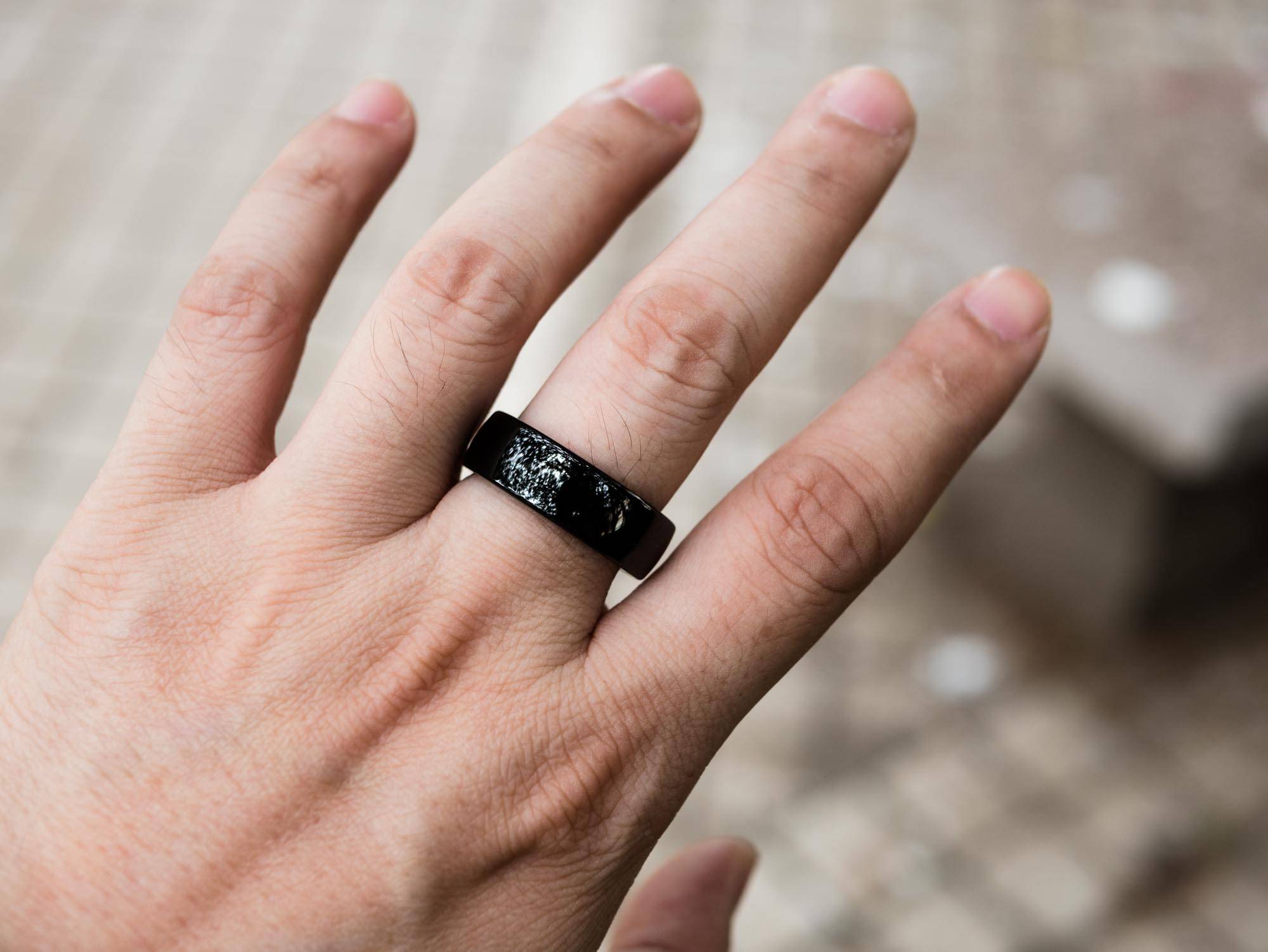
Adherence Is Not Observed — It Is Declared
A medication reminder device adherence report reflects user interaction, not biological outcome. When a prompt fires, the device logs timestamp, channel (vibration, tone, app notification) and recipient group (user, caregiver). If the user taps “confirm”, the system records “confirmed”. If they tap “skip”, it logs “skipped”. Neither action confirms ingestion, nor does the device detect whether a pill was removed, swallowed or discarded. This distinction is foundational: WingPhoenix devices support self-management, not clinical monitoring. For regulatory clarity, see the CE RED document checklist, which confirms these devices are assessed as low-risk electronic timers — not diagnostic tools.
Prompt, Confirm, Skip: Three Actions, One Limitation
The interface offers only three states: prompt delivered, user confirmed, or user skipped. There is no fourth state — no “observed”, “verified”, or “dispensed”. This design aligns with our published factory policy: health metrics are wellness guidance, never diagnosis. It also avoids misrepresentation in distribution channels where end users may conflate notification with compliance. All models in the Health & Wellness line, including the H3 health smartwatch and R1 AI health ring, follow this same logic. Even the K1 AI companion robot delivers reminders but cannot confirm physical action — its role is verbal prompting, not verification.
Caregiver View Is Opt-In, Scoped and Auditable
Caregiver access to reminder logs is strictly permissioned per account and revocable at any time. No data is shared by default. Logs visible to caregivers include only timestamps, prompt type and user-selected status (confirm/skip); no voice recordings, location traces or biometric context are stored or transmitted. This complies with GDPR Article 6(1)(a) and UK Data Protection Act 2018, as implemented through our how we build and test process. Firmware updates that modify data scope require explicit importer consent before deployment — a safeguard detailed in our OEM/ODM services agreement.
Privacy Is Enforced at the Hardware Layer
No microphone, camera or environmental sensor is embedded in any WingPhoenix medication reminder device. The R2 smart ring, for example, includes no audio capture — its haptic prompt is vibration-only. Similarly, the AI wearables line excludes ambient listening unless explicitly enabled per regional privacy law, and even then, only with on-device processing and local storage. All firmware builds undergo IQC and FQC gates per AQL 2.5 major, with privacy controls verified at IPQC stage — part of our documented factory testing protocol.
What This Device Cannot Do — And Why You Must Say So
This device cannot confirm medication ingestion. It has no pill-compartment sensor, no dispensing mechanism, no weight or optical detection, and no integration with pharmacy systems or electronic health records. No third-party audit, clinical trial or regulatory submission exists to support claims of objective adherence measurement. Importers must reject supplier language such as “proven adherence improvement”, “clinically validated”, or “integrates with EHR platforms”. Such statements fall outside the scope of CE RED, FCC Part 15 and UKCA assessments — and contradict our published product catalogue definitions. If your distributor expects clinical-grade evidence, this is not the product.
Procurement Checklist: Compliance, Capability, Clarity
| Decision Point | WingPhoenix Position | Importer Action Required |
|---|---|---|
| Regulatory classification | CE RED, FCC Part 15, RoHS 3 — not MDR or HIPAA | Verify importer holds WEEE, BattG and DEEE/Triman registrations |
| Data scope for caregiver view | Timestamp + user-selected status only; no biometrics or location | Confirm privacy notice matches this limited scope |
| Firmware white-label minimum | 2,000 units | Plan lead time using MOQ, sampling and lead times |
| Battery compliance | UN38.3 + SDS supplied per order; Wh rating printed on unit | Validate SDS matches shipment labelling |
| Skin-contact safety | EN 1811 nickel release tested per ring size batch | Request test report before first run |
| Toy scope applicability | Defined solely by age grading on packaging | Book EN 71-1/-2/-3 testing per build |
| Clinical claim prohibition | No diagnosis, monitoring or therapeutic effect claimed | Reject all marketing copy referencing “adherence rate” or “treatment success” |
WingPhoenix does not ship devices that blur the line between wellness support and clinical intervention. That boundary is enforced in hardware design, firmware logic, regulatory documentation and contractual terms. To align your procurement plan with this position, send us the specification — including target markets, intended user groups and required certifications — and we will confirm feasibility, compliance scope and lead time before sample request.
Questions buyers ask
How do I verify that a medication reminder device records real adherence, not just alerts?
It does not record adherence. It logs prompts, skips and manual confirmations — all user-initiated actions. Dose ingestion remains unobserved and unverified by any WingPhoenix device.
Does this meet EU or UK health data requirements for remote monitoring?
No health data regulation applies, because no physiological measurement, diagnosis or clinical inference occurs. The device falls under CE RED and RoHS as an electronic timer with Bluetooth connectivity, not a medical device.
Why did our sample show “taken” status when the user never opened the pill compartment?
Because “confirm” is a manual tap — not sensor-verified. The system treats user input as truth; it does not cross-check with mechanical actuation, lid sensors or dispensing logs.
What claim can we legally make about adherence in marketing or packaging?
Only that the device supports self-reported adherence tracking via scheduled prompts and optional confirmation. Any wording implying objective verification, clinical validation or therapeutic impact is prohibited.
Related: more on ai health monitoring · buyer guides · customisation tiers