Travel Alert Elderly Wearable for Cross-Border Use
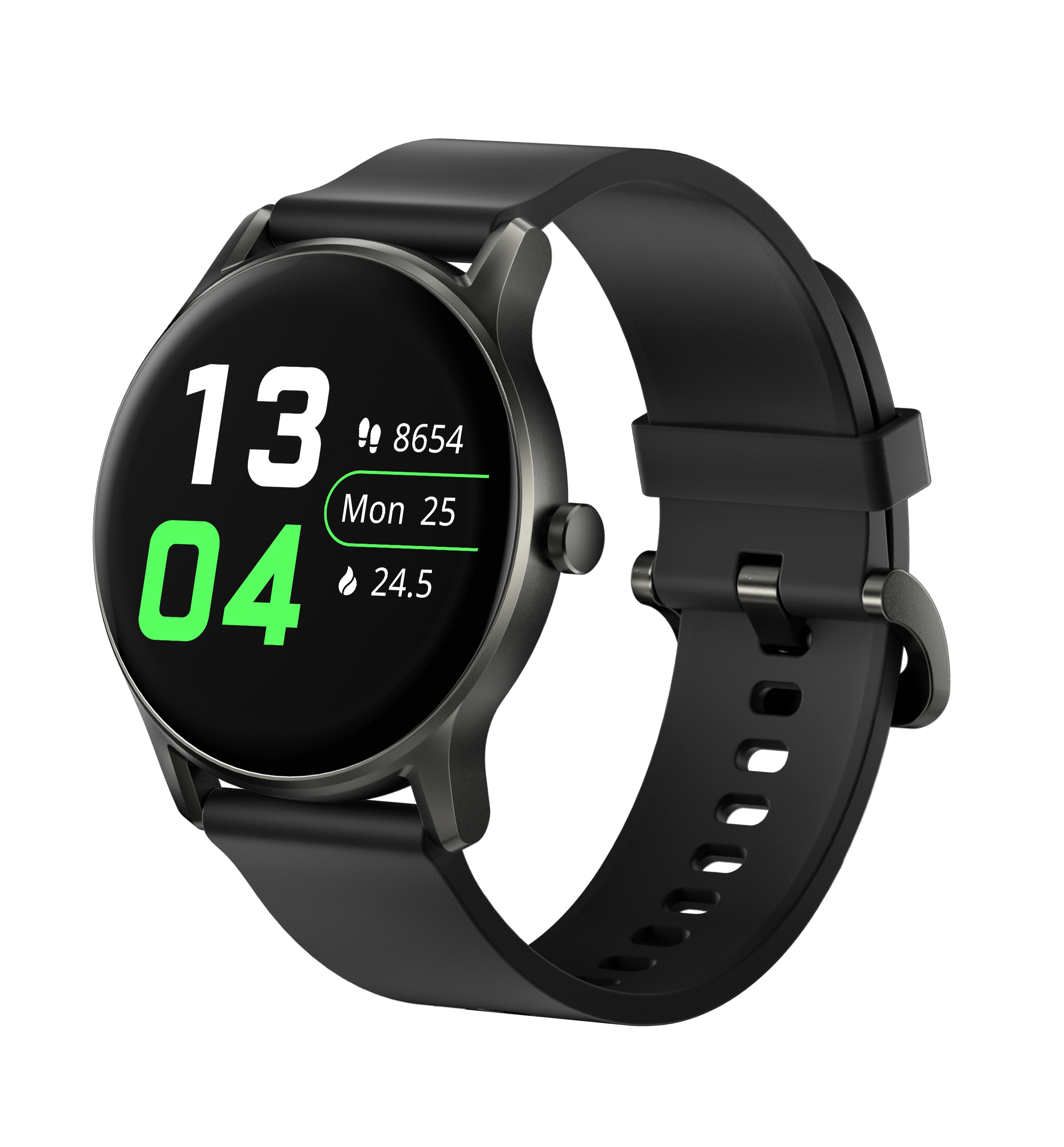
Roaming Is Not Automatic — It’s Configured and Tested
Roaming capability is not inherent to hardware. It is enabled by three interdependent layers: the physical SIM (multi-IMSI or eSIM), the APN configuration embedded in firmware, and the network registration logic validated against each target country’s MNO requirements. WingPhoenix validates these layers per hardware revision in accredited labs — for example, EN 300 328 and EN 301 489 testing includes co-channel interference checks under simulated roaming handover conditions. This work is documented in the CE RED document checklist, which lists required test reports and their linkage to specific firmware versions. Roaming is never assumed; it is scoped, booked and verified.SIM and APN: Two Separate Procurement Decisions
The SIM is a third-party component. WingPhoenix supplies devices with standard SIM trays or MFF2 eSIM sockets, but does not source, provision or manage SIMs. APN configuration, however, is part of firmware delivery — and is configurable per order. For example, the health smartwatch supports up to four APN profiles, each mapped to an IMSI range or MCC/MNC pair. Customers specify which profiles to activate at production; changes after shipment require OTA firmware update capability, which must be confirmed during OEM/ODM services engagement.Fallback Is a Design Choice — Not a Guarantee
Fallback refers to the device’s ability to register on a secondary network when the primary fails. This depends on supported frequency bands, SIM compatibility and firmware logic. All travel-capable models in the Health & Wellness line support Band 1, 3, 7, 20 and 28 — covering major LTE deployments in Germany, France, the UK, Netherlands and Canada. But fallback only functions if the SIM has commercial agreements with those secondary networks. WingPhoenix documents band support per model and provides lab test logs showing registration success on at least two non-primary MNOs per region — but does not guarantee service continuity where local regulation prohibits fallback activation.What This Device Cannot Do — And Where to Say No
No travel alert elderly wearable from WingPhoenix initiates voice calls, sends SMS or triggers emergency alerts across borders without explicit local MNO integration, national regulatory authorisation and documented user consent. There is no CE RED certificate covering cross-border PSAP (Public Safety Answering Point) routing. No device carries an EN 50131 or EN 50518 certification for alarm transmission. If a supplier claims automatic emergency response during international travel — refuse the claim. Verify that the stated function appears in the factory test report for that exact hardware revision. Absent that evidence, treat the claim as unsupported.Compliance Travels With the Hardware — Not the User
CE RED, UKCA and FCC certifications apply to the device as built and tested — not to its use in another jurisdiction. A device certified for Germany remains CE RED compliant in France, but its radio performance must still meet French ANFR requirements if deployed there commercially. Battery UN38.3 and SDS are shipped with every order; EN 62368-1 and RoHS 3 documentation is model-specific and tied to the hardware revision. Importers must hold WEEE, BattG and EPR registrations — WingPhoenix does not assume those duties. All compliance documentation is available per build via the product catalogue, and full traceability is maintained through IQC/IPQC/FQC/OQC gates at AQL 2.5 major.| Decision Point | What WingPhoenix Supplies | What You Must Arrange |
|---|---|---|
| SIM type and provisioning | Socket (nano/micro/MFF2), AT command interface, APN profile slots | MNO contract, IMSI assignment, remote SIM management |
| Roaming validation | Lab test logs for ≥2 MNOs per region, frequency band list per model | Field validation on target networks, local regulatory sign-off |
| Firmware configuration | APN profiles, IMSI filtering, OTA update framework | OTA server, certificate management, version control policy |
| Emergency function scope | No emergency calling claim; wellness guidance only | Local PSAP integration, national authorisation, user consent workflow |
| Certification validity | CE RED, FCC, UKCA, RoHS 3, REACH, UN38.3 per revision | ANFR, ISED, RCM registration if required locally |
| Importer obligations | Documentation for WEEE/BattG/EPR compliance | Active registration, reporting, fee payment |
WingPhoenix builds for honesty in procurement — not convenience in marketing. Travel alert elderly wearable functionality is bounded by physics, regulation and test scope. To align your sourcing with reality, send us the specification including target countries, MNO partners and intended use cases. We will confirm which hardware revisions support your requirements — and which claims fall outside current certification or factory policy.
Questions buyers ask
How does a travel alert elderly wearable stay functional when the family travels between Germany, France and the UK?
It relies on pre-configured multi-IMSI SIMs with embedded APN profiles and tested fallback to local MNOs — not automatic carrier selection. Configuration is per hardware revision and validated in lab and field tests.
What does finance need to know about data costs when this device crosses borders?
Data plans are separate from device cost; roaming charges depend on the MNO contract selected at deployment, not the device itself. WingPhoenix supplies no data plan but documents APN settings and SIM test scope per build.
Why did our sample fail to register on a Dutch network even though it worked in Germany?
The APN was set for Deutsche Telekom only. Multi-country operation requires either dual-SIM hardware or an eSIM with pre-loaded profiles — both require firmware validation per target market, booked as part of CE RED testing.
What do most suppliers avoid naming outright?
That no travel alert elderly wearable sold by WingPhoenix performs automated emergency calling across borders without local MNO integration, regulatory approval and end-user consent — and that such integration is outside the device’s certified scope.
Related: more on ai health monitoring · buyer guides · customisation tiers