Wearable Accessories Margin: Straps, Docks and Cases at MOQ
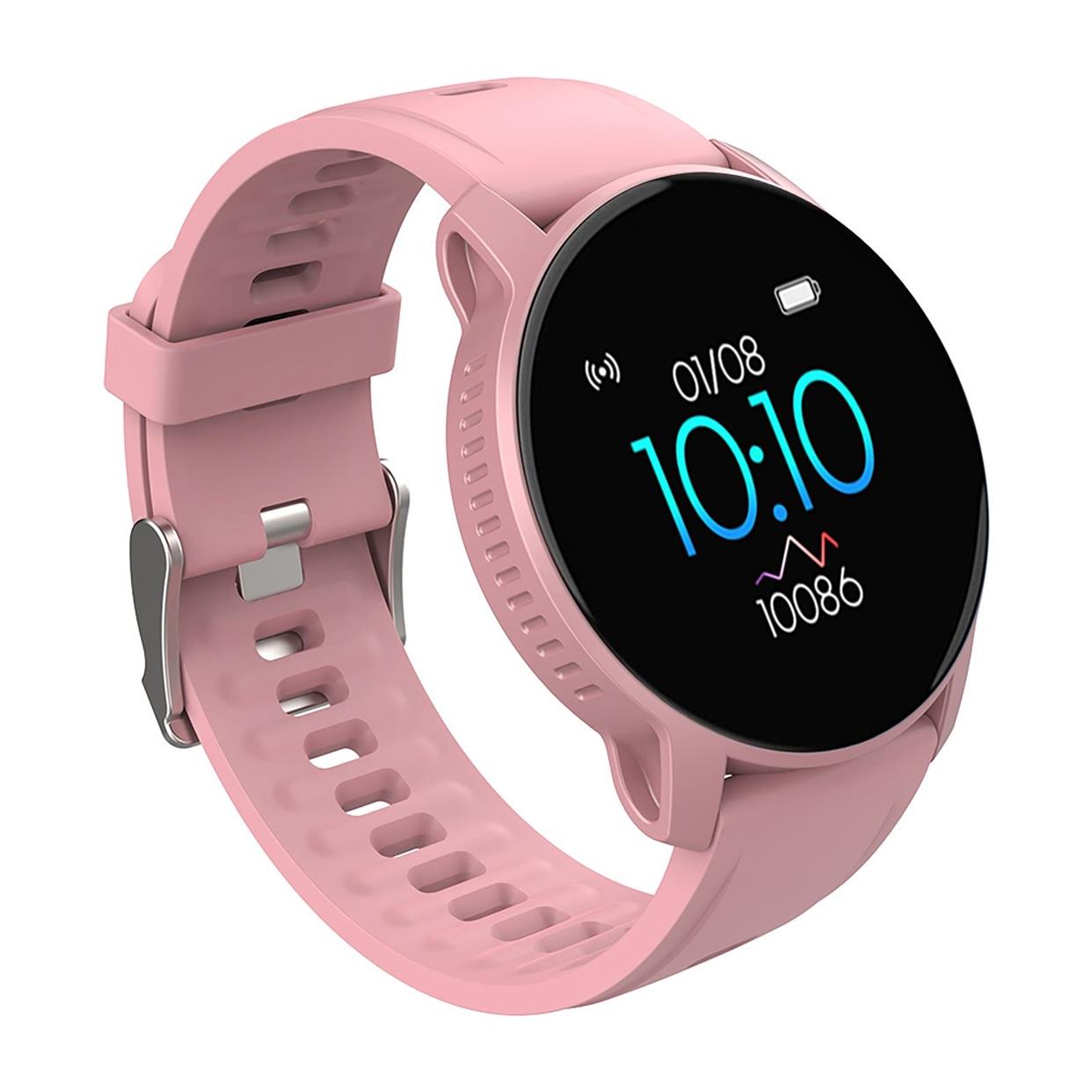
Accessory margin is rarely decided by the unit cost of a strap. It is decided by whether the accessory can ride on the compliance and logistics work you have already paid for on the watch, or whether it forces a second, smaller order through the same overhead. When a buyer asks why a silicone strap quoted at 500 units looks worse than the watch it fits, the answer is almost always that the accessory line is carrying its own tooling, its own test file and its own packaging minimum. The margin question is therefore a question about order architecture, not about silicone.
Where the second minimum comes from
Our published factory policy sets a standard MOQ of 500 units, with logo at 500, custom packaging at 1,000, and firmware or app white-label at 2,000. AI glasses sit at 300, ring, education and companion models at 1,000, and service robots are quoted per project from 50 units. Nothing in that list creates an accessory exemption. A strap, a dock and a case are each quoted as their own line, so a 500-unit watch order plus a 500-unit strap order is two minimums, not one. The MOQ, sampling and lead times page sets out how those lines are counted, and it is worth reading before you build a range plan rather than after. The practical consequence is that accessories are cheapest per unit when they are added to a device order that already clears the thresholds, and most expensive when they are bought as a standalone replenishment.
Compliance follows the accessory, not the parent device
This is the point where accessory margin is most often misjudged. A CE RED file, an FCC Part 15 file, a UKCA marking, RoHS 3 and REACH SVHC screening are supplied per model and hardware revision, and an accessory is its own model for that purpose. A skin-contact strap brings EN 1811 nickel release into scope. A charging dock with an integral cell brings UN38.3 plus an SDS. A passive case is usually the lightest item in the file, but it still needs RoHS and REACH coverage. Documents are issued against the build you actually order, and certification is a test scope booked with an accredited laboratory per hardware revision, not a status that transfers from the watch to the strap. If a supplier tells you the accessory is covered because the watch is covered, that is the moment to ask which model number sits on the test report.
| Accessory type | Typical scope to book | Procurement note |
|---|---|---|
| Skin-contact silicone strap | EN 1811 nickel release, RoHS 3, REACH SVHC screening | Colour and finish changes can alter the hardware revision; confirm before tooling |
| Charging dock, no cell | CE low-voltage scope, RoHS 3, REACH SVHC screening | Check the input rating against the destination mains |
| Charging dock with cell | UN38.3 plus SDS, CE scope, RoHS 3 | Air freight documentation must match the shipped revision |
| Protective case | RoHS 3, REACH SVHC screening | Verify cut-outs against the exact device revision |
| Child-oriented accessory | Toy scope if the packaging age grading requires it | Age grading on the packaging decides the scope, not the product name |
| Accessory with firmware | Radio scope for the wireless link, plus white-label terms | White-label firmware starts at 2,000 units |
Packaging is the quiet margin killer
Custom packaging at 1,000 units is the threshold that catches accessory ranges. A buyer who wants a branded retail box for a strap alone is committing to 1,000 units of packaging for a 500-unit device order, which is how a healthy accessory margin becomes a warehouse problem. The workable options are to ship accessories in the device packaging as a bundled SKU, to use stock packaging for the accessory and reserve custom print for the device, or to accept the 1,000-unit packaging minimum knowingly and plan the sell-through. The custom packaging tiers page explains how those tiers interact with logo and white-label minimums. Where an accessory is genuinely a range rather than a line, bundling is usually the better answer than a second minimum.
What to settle before you ask for a price
- Decide whether the accessory ships as a bundled SKU or a standalone SKU, because that choice sets the packaging minimum.
- List the destination markets and confirm which test scope each accessory needs there.
- Confirm the device hardware revision the accessory must fit, and freeze it in writing.
- Ask which documents ship with the accessory line and which sit with you as importer.
- Check the importer obligations that stay with you: WEEE, BattG, DEEE/Triman, EORI and VAT registration.
Two further points shape the commercial case. First, an accessory that carries firmware or an app link is not a passive part; Google Play and GMS are not licensed by default, and white-label firmware starts at 2,000 units, so a smart dock or a companion app feature can pull an accessory line into a much larger commitment than the hardware alone suggests. Second, the destination obligations do not travel with the goods. EU and UK importer duties, including WEEE, BattG and DEEE/Triman registration, sit with the importer, and no accessory order changes that. If the accessory range includes a health or wellness element, keep the framing honest: wellness guidance, never diagnosis, and a companion robot is not a monitoring or emergency-response device. The same restraint applies to translation features, which produce a reference translation rather than a certified one.
Accessory margin improves when the accessory is designed into the device order rather than bolted on afterwards. Start by mapping your range against the device models it fits, using the product catalogue to fix the revisions, and check the health smartwatch, the GPS sport watch and the smart health ring as the anchor devices for strap and dock families. Then send us the specification through the contact page with the accessory list, target markets and packaging decision attached, so the quotation separates device, accessory and test scope instead of blending them into one figure.
Questions buyers ask
Does ordering a strap or dock separately carry its own MOQ?
Yes. Accessories are quoted as their own line with the same 500-unit standard MOQ, and custom packaging on an accessory alone still triggers the 1,000-unit packaging threshold. Bundling the accessory into the device order is the usual way to avoid a second minimum.
Which accessory items need their own compliance file?
Anything that touches skin or carries a battery does. Skin-contact straps fall under EN 1811 nickel release, and a charging dock with an integral cell needs UN38.3 plus an SDS. A passive case usually needs only RoHS 3 and REACH SVHC screening.
Related: more on ai accessories · buyer guides · customisation tiers