Retail Packaging for Wearables That Survives Shelf and Ship
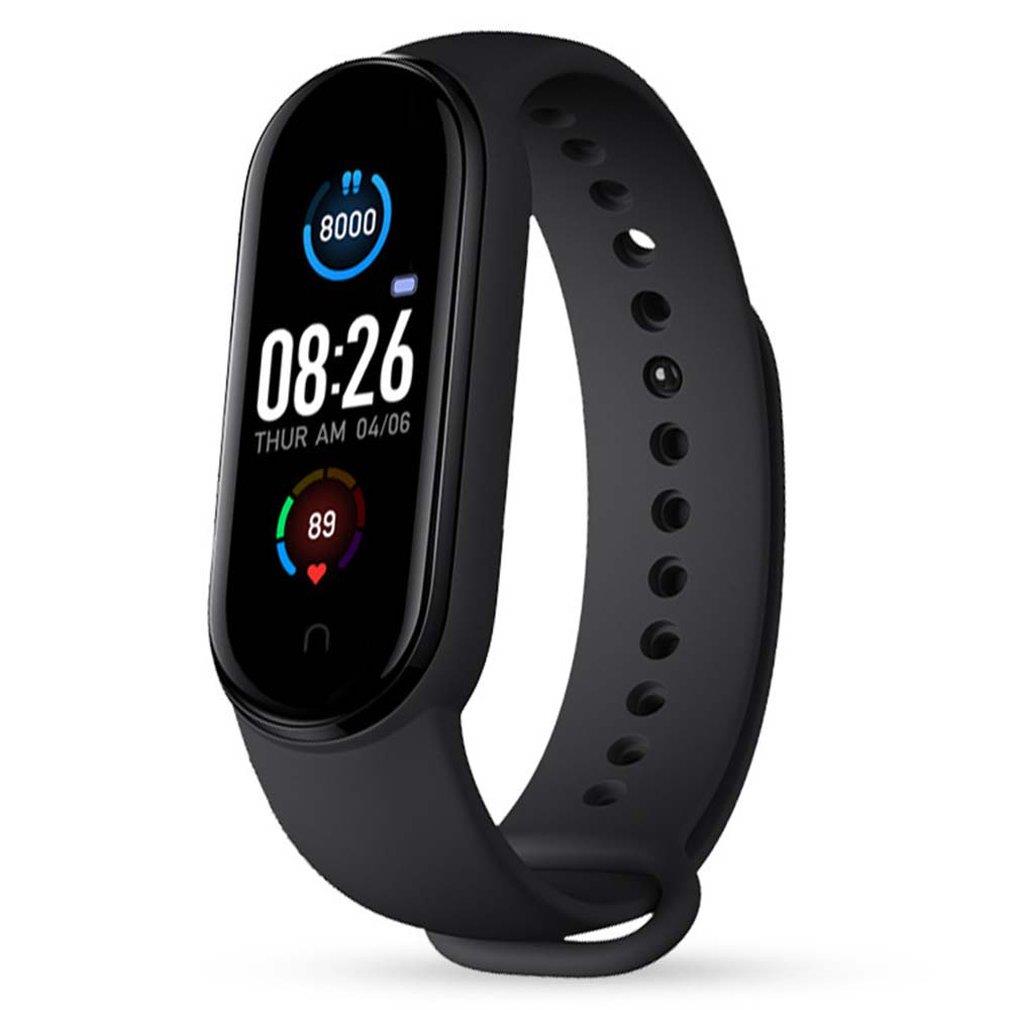
Damage claims for AI wearables rarely originate from end-user handling. They stem from packaging that survives the lab but fails in layered logistics: container stacking, warehouse racking, automated sortation, and multi-tier retail shelving. A gift box may look premium on a photo shoot but buckle under 40 kg of pallet weight or delaminate in 85 % humidity. WingPhoenix treats packaging as part of the product’s mechanical architecture—not as decoration. That means every custom box revision undergoes structural validation against documented drop, compression and vibration profiles, aligned to the hardware’s weight, form factor and destination market handling norms.
Packaging Is Part of the Bill of Materials
Custom packaging is not an add-on; it is a component with its own MOQ, lead time and compliance scope. The custom packaging tiers start at 1,000 units for rings and companion models, matching the minimum run for EN 1811 nickel release verification on skin-contact builds. For smart health rings, this ensures size kits ship before production, avoiding mismatched boxes and unopened wrong sizes that cannot be exchanged across runs. Firmware white-labeling requires 2,000 units—not because of software complexity, but because label artwork, QR placement and regulatory text must be validated across all language variants and regional documentation sets.
Drop Test Scope ≠ Real-World Survival
A single 1.2 m drop onto concrete satisfies many lab protocols—but real-world transit includes repeated low-height impacts, edge loading from adjacent cartons, and thermal cycling that weakens adhesives. WingPhoenix books drop testing per hardware revision with an accredited laboratory, using ISTA 3A for air freight and ISTA 3E for sea containers. This is documented in the how we build and test framework, not claimed as certification. For translation earbuds, whose cases sit inside slim clamshells, compression resistance is prioritised over aesthetic gloss—because a dented lid compromises hinge function before the first unboxing.
Barcode and Label Placement Is a Fulfilment Gate
Barcodes are not placed for photography. They are positioned to survive shrink-wrap distortion, resist scuffing during conveyor transit, and remain scannable under 300 lux ambient light—the typical level in German and UK DCs. GS1-128 mandates a quiet zone, minimum height and contrast ratio that vary by substrate. Labels for GPS sport watches use matte-finish thermal transfer printing, not inkjet, to prevent smearing in humid ports. All regulatory marks—including CE RED, FCC Part 15 and RoHS 3—are grouped in a dedicated panel, not scattered, to simplify customs inspection and importer verification.
Gift Box Durability Starts With Material Grade
“Premium” cardboard is meaningless without grammage, caliper and edge crush test (ECT) values. WingPhoenix specifies 1.5 mm thick, 400 gsm board with ECT ≥ 60 for all health smartwatch gift boxes. Lamination is hot-film, not cold-glue, to prevent curling in Canadian winter warehouses or Dutch coastal humidity. For power banks and chargers, which carry UN38.3 battery labels, the outer carton must allow full label visibility without opening—even when shrink-wrapped in opaque polyolefin.
| Decision Point | Factory Policy Reference | Procurement Risk If Ignored | Verification Method |
|---|---|---|---|
| Barcode contrast & quiet zone | GS1-128 Annex A | DC rejection, manual sorting surcharges | Scanning test under 300 lux, printed sample batch |
| Box compression strength (ECT) | ISTA 3E Section 5.2 | Crushed corners, failed OQC gate | Lab compression test report per revision |
| Regulatory mark grouping | CE RED Annex IV, FCC Part 2.1075 | Customs hold, importer liability | Photographic layout approval signed pre-print |
| Skin-contact material compliance | EN 1811 for rings, EN 62368-1 for watch straps | Market withdrawal, recall cost | Test report from accredited lab per build |
| Battery label watt-hour visibility | UN38.3 Section 5.2 + IATA DGR 5.0.2.11 | Air freight refusal, port detention | SDS + physical unit print verification |
- Review your current DC’s inbound scanning protocol and lighting specs before finalising barcode position
- Require ECT and caliper data—not just “premium board”—from your packaging supplier
- Book ISTA 3E compression and drop testing with your accredited lab before tooling sign-off
- Validate regulatory label grouping against both CE RED and FCC Part 15 layout rules—not just one
- Confirm UN38.3 watt-hour rating appears on every power bank unit, not just the carton
Packaging failures become damage claims only after the fact—and those claims rarely reimburse labour, logistics or reputational cost. WingPhoenix aligns packaging engineering with actual distribution paths, not lab ideals. To begin a packaging review for your next order, download the MOQ, sampling and lead times guide, then share your target markets and top three SKUs with your WingPhoenix account manager for a structural validation checklist.
Questions buyers ask
Why do some wearable packages arrive damaged even when they pass lab drop tests?
Lab drop tests use idealised conditions—single orientation, clean surfaces, no stacking pressure. Real containers add cumulative compression, vibration, and mixed-height pallet loads that degrade structural integrity before the first retail shelf touch.
How does barcode placement affect fulfilment speed in EU and US distribution centres?
Misplaced or low-contrast barcodes trigger manual scanning delays, rejection at inbound docks, and misrouted cartons—especially when shrink-wrapped or stacked under ambient warehouse lighting. Placement must follow GS1-128 zone guidelines, not just visibility.
Related: more on ai accessories · buyer guides · customisation tiers