Smartwatch Spare Parts Order: Build Year-Two Support Into Batch One
A wearable that sells well in year one becomes a support problem in year two. The screen cracks, the band delaminates, the charging cradle is lost in a hotel room, and the buyer who paid for the device expects a repair path rather than a refund. Spare parts are therefore not an afterthought to the first purchase order; they are a line item that decides whether the model is supportable at all. The practical question is which parts to add, in what quantity, and how to keep the documentation valid when the hardware revision changes.
Start from the parts that fail, not the parts that are cheap
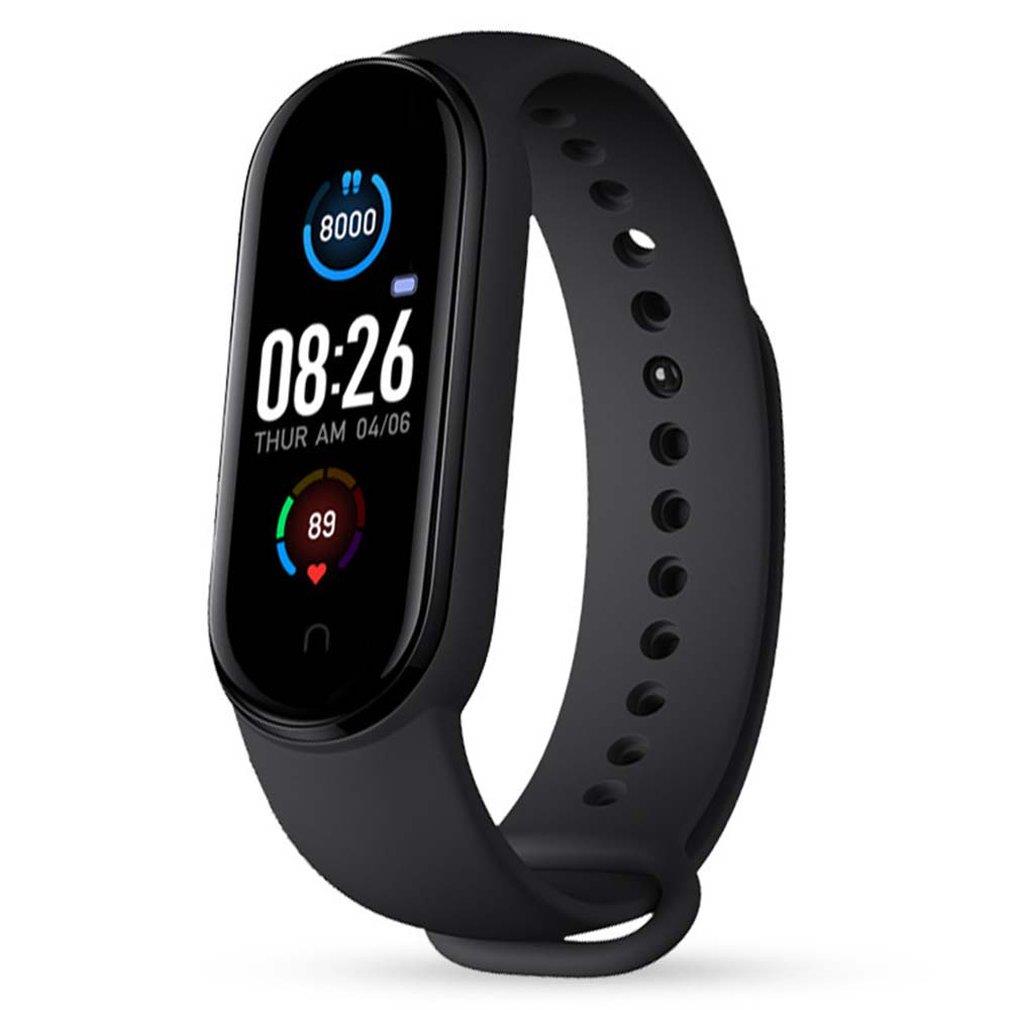
Buyers often pad a spares line with low-cost accessories because they are easy to justify, then discover that the expensive failure modes are unserved. Work backwards from the return reasons you already see in the category: display assembly, battery, charging cradle or cable, band or strap, and the rear housing or sensor window on skin-contact models. For a device such as the health smartwatch, the display and the band account for most cosmetic and functional complaints, while the cradle is the item most often lost rather than broken. A GPS model adds antenna and button assemblies that are rarely stocked but slow to source later. Look at the product catalogue and treat each platform as a separate spares decision rather than applying one ratio across the range.
What the warranty covers and what it does not
The standard warranty runs 12 months and includes 2 % free replacement parts shipped with the order. That allowance is a warranty buffer, not a repair inventory. It is consumed by claims in the first year and is usually exhausted well before the sales tail ends. A paid spares line sits alongside it and covers out-of-warranty repairs, accidental damage programmes and the units you will inevitably need to swap to keep a retail partner happy. Keep the two lines separate in your costing so you can see what the warranty actually costs you per unit.
| Spares line | Why it belongs in batch one | Decision point |
|---|---|---|
| Display assembly | Highest-value cosmetic failure, hardest to source after tooling is retired | Order against the exact panel revision, not the model name |
| Band or strap | Skin contact, wear item, frequent goodwill replacement | Confirm EN 1811 nickel release scope covers the spare as supplied |
| Charging cradle | Most commonly lost accessory, drives support tickets | Check connector and pogo pin revision matches the shipped unit |
| Battery pack | Degrades on shelf and in use, needs UN38.3 and SDS per shipment | Confirm shipping documents travel with the spares carton |
| Rear housing and sensor window | Skin-contact part, affects both repair and compliance | Verify material and finish match the tested build |
| Firmware image and app build | Repaired units must return to a supported software state | Ask how long the build stays downloadable |
Dead stock cover and the quantity conversation
Dead stock cover is the part buyers find hardest to price. The honest position is that no supplier can tell you the right spares ratio for your market, because it depends on your failure rate, your repair labour cost and whether you repair or replace. What a supplier can do is quote the parts at the same MOQ logic as the main order, so the spares ride on the production run rather than triggering a separate setup. WingPhoenix applies a 500-unit standard MOQ, with logo at 500, custom packaging at 1,000 and firmware or app white-label at 2,000; AI glasses start at 300, and ring, education and companion models at 1,000. Service robots are quoted per project from 50 units. The MOQ, sampling and lead times page sets out how those tiers interact with sampling. Where a spares line would push you past a tier, it is often cheaper to add the parts than to split the order.
Keep the compliance file alive across revisions
Documents are issued per model and hardware revision, and that phrase matters more for spares than for the main unit. If a replacement display or cradle comes from a different revision, the test evidence you hold may no longer describe the product you are placing on the market. CE RED evidence covers EN 300 328, EN 301 489 and EN 62368-1; FCC Part 15 B/C applies for the US, with UKCA on request. RoHS 3, REACH SVHC screening, battery UN38.3 plus SDS and EN 1811 nickel release for skin-contact items complete the usual set. Toy scope under EN 71-1/-2/-3, EN 62115 and the Toy Safety Directive follows the age grading printed on the packaging and is booked with an accredited laboratory per build. If your first order includes a children's variant, that decision is made by the packaging, not by the marketing plan.
- Ask for a spares price list tied to the same hardware revision as the mass production build, not a generic model list.
- Separate the 2 % warranty allowance from your paid repair inventory in the purchase order.
- Confirm which parts are tooling-dependent and would need a reactivation cost if ordered later.
- Check that UN38.3 and SDS documents ship with any spares carton containing cells.
- Confirm whether the firmware image for repaired units stays available for the support period you are promising.
- Remember that WEEE, BattG, DEEE/Triman and EORI/VAT duties sit with the importer, and spares entering the market are in scope.
- Say no to a supplier who will not name the revision on the spares quotation; that is where year-two support quietly breaks.
The same discipline applies across the range. A GPS sport watch, a smart health ring and a pair of translation earbuds each have different wear items and different tooling exposure, so a single spares ratio across the catalogue will leave gaps. Where the model is a companion or education device, note that health metrics are wellness guidance rather than diagnosis, translation output is a reference translation, and a companion robot is not a monitoring or emergency-response device. Those boundaries belong in your support script as much as in the manual.
Before the order is placed, send the specification with your expected two-year volume, your repair-versus-replace policy and the hardware revision you intend to sell, and ask for a spares quotation on that basis. The custom packaging tiers and the how we build and test pages show how the QC gates and packaging decisions affect what can be added to the same run; the buyer resources section covers the document set. Use the contact form to send the specification, and make the spares line a condition of the quotation rather than a follow-up email after the deposit is paid.
Questions buyers ask
How much spare parts stock should a buyer add to a first order?
WingPhoenix ships 2 % free replacement parts with every order under the 12-month warranty, but that covers warranty claims only, not paid repairs after the warranty ends. Buyers who expect a two-year sales window usually add a separate paid spares line sized to their own failure and return estimates.
Can we buy spare parts later, once the model is discontinued?
Often not on the same terms. Tooling, display modules and moulded parts are usually tied to a production run, so a later order may carry a higher MOQ or a tooling reactivation cost. Ordering spares with the first batch keeps the unit price and the lead time inside the original project.
Related: more on ai accessories · buyer guides · customisation tiers