Smartwatch Return Reasons: A Distributor's Checklist
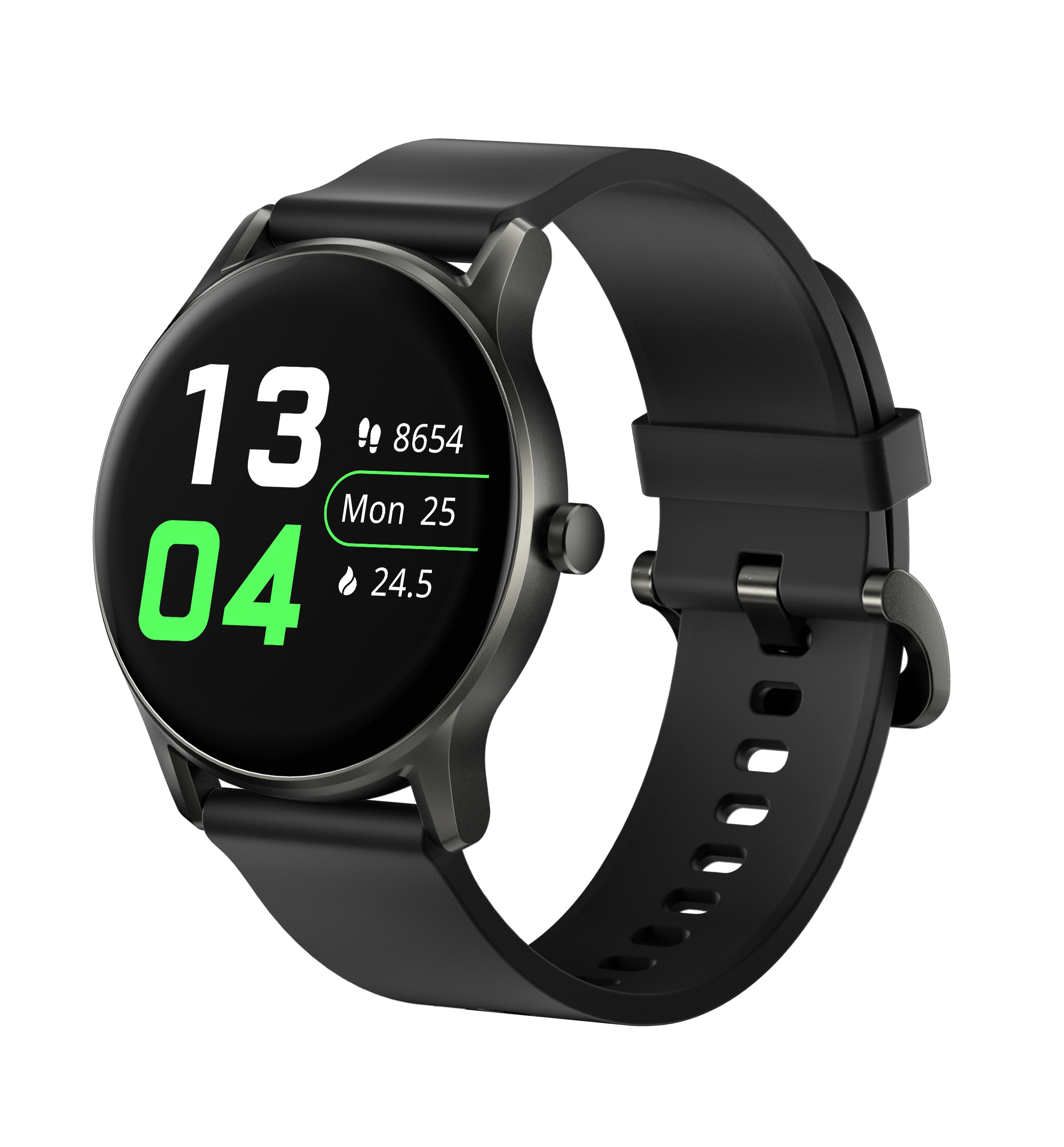
Returns in the smartwatch category are rarely a single defect story. They cluster around four causes a buyer can influence before the purchase order is signed: fit and sizing, battery expectation, pairing and app friction, and documentation gaps that turn a normal complaint into a full refund. None of these require new technology. They require decisions written into the specification, the packaging and the listing copy. This is a checklist for the coming quarter, not a claim that returns can be eliminated.
Start with the fit, because sizing returns are the quiet majority
Strap length, lug width and case thickness decide whether a watch stays on a wrist through a working day. A buyer who orders a case that sits too proud, or a strap that only fits the middle of the population, will see returns that look like quality complaints but are fit complaints. Ask for the strap dimensions as a table, not a photograph, and check them against the wrist measurements your market actually reports. If the range is narrow, ask whether a second strap length can ship in the box. On the health smartwatch and the GPS sport watch, strap and case dimensions are part of the quotation sheet, so they can be reviewed before tooling rather than after the first container.
Battery expectation is a wording problem before it is an engineering problem
Most battery returns begin with a number printed on a box. If the listing promises a figure that assumes a screen-off, notification-light day, the customer measures it against a screen-on day and concludes the product is faulty. The fix is editorial and contractual: agree the usage scenario that the published figure describes, and print that scenario next to the number. For power banks and portable chargers, no capacity, wattage or cycle figure is published before a datasheet exists for the revision being quoted, and every battery order carries the UN38.3 test summary and SDS with the watt-hour rating printed on each unit. Hold your supplier to the same discipline on the watch itself.
Pairing problems are a support cost that shows up as returns
Pairing and app friction produces returns that are technically avoidable, because the customer gives up rather than the device failing. Ask three questions of any candidate model. Which phone operating system versions were tested, and on which handsets. What happens on first launch when permissions are declined. Whether the pairing flow works without an account. Google Play and GMS are not licensed by default, so if your listing implies an app store experience, confirm the licensing position in writing before you commit to a launch date. A tested pairing script, shipped as a card in the box and mirrored in the listing, removes a measurable share of avoidable returns.
Documents, age grading and importer duties
Documentation gaps convert a simple return into a regulatory argument. Certification is a test scope booked per hardware revision with an accredited laboratory, not a badge that transfers between builds, so ask which revision each report covers. Toy scope is decided by the age grading printed on the packaging and booked with an accredited lab per build. EU and UK importer duties, including WEEE, BattG, DEEE/Triman and EORI/VAT registration, sit with the importer, so a returns policy that assumes the factory absorbs them will not survive contact with a customs broker. The CE RED document checklist is the place to start, and how we build and test explains where IQC, IPQC, FQC and OQC sit in the flow at AQL 2.5 major and 4.0 minor.
| Return cause | What to verify before ordering | Where it is decided |
|---|---|---|
| Sizing and fit | Strap lengths, lug width, case thickness as a dimension table | Specification and packaging |
| Battery expectation | Usage scenario stated beside every published figure | Listing copy and artwork |
| Pairing and app | Tested OS versions, permission flows, account requirement | Firmware and support script |
| Compliance documents | Report matched to the hardware revision being shipped | Per build, accredited laboratory |
| Importer duties | WEEE, BattG, DEEE/Triman, EORI/VAT ownership | Importer, not supplier |
| Warranty handling | 12 months, with 2 % free replacement parts in the order | Purchase agreement |
A quarterly checklist you can run this week
- Pull the last two quarters of return reasons and sort them into fit, battery, pairing and documentation.
- Request the dimension table and the tested-handset list for every model you list.
- Rewrite published battery figures so each one names its usage scenario.
- Confirm the certification revision matches the build you are buying, and that the age grading on the packaging matches the market.
- Check your own WEEE, BattG and Triman registrations before the next shipment clears.
- Agree the sample and production schedule in writing against MOQ, sampling and lead times.
Where to say no
Say no to a supplier who quotes a battery figure without a datasheet for that revision, who offers a certificate that does not name the hardware revision, or who implies the factory will carry importer duties. Say no to a strap range that fits one wrist size, and to a pairing flow that has never been tested on the handsets your market actually uses. The Health & Wellness line and the Fitness & Sports line both sit inside a documented test scope, and the OEM/ODM services page sets out what changes between a logo order and a white-label firmware build. Health metrics on any of these devices are wellness guidance, never diagnosis, and that distinction belongs in your listing copy as much as in the manual.
Pick one model from your current range, request the dimension table, the tested-handset list and the revision-matched document pack, and compare the answers against the return reasons you already hold. That single comparison will tell you whether the next order reduces returns or repeats them.
Questions buyers ask
What causes most smartwatch returns in European retail?
Sizing and fit, battery expectations, pairing and app friction, and unclear compliance documents. All four are addressable before the goods leave the factory, which is why they belong in the purchasing conversation rather than the after-sales queue.
Can a supplier reduce return rates contractually?
Partly. Sizing charts, honest battery wording, a tested pairing flow and a complete document pack per hardware revision remove the predictable causes. The rest sits with the retailer's listing and the importer's statutory duties.
Related: more on ai wearables · buyer guides · customisation tiers