Lithium Battery Shipping Requirements for Smart Watches by Air
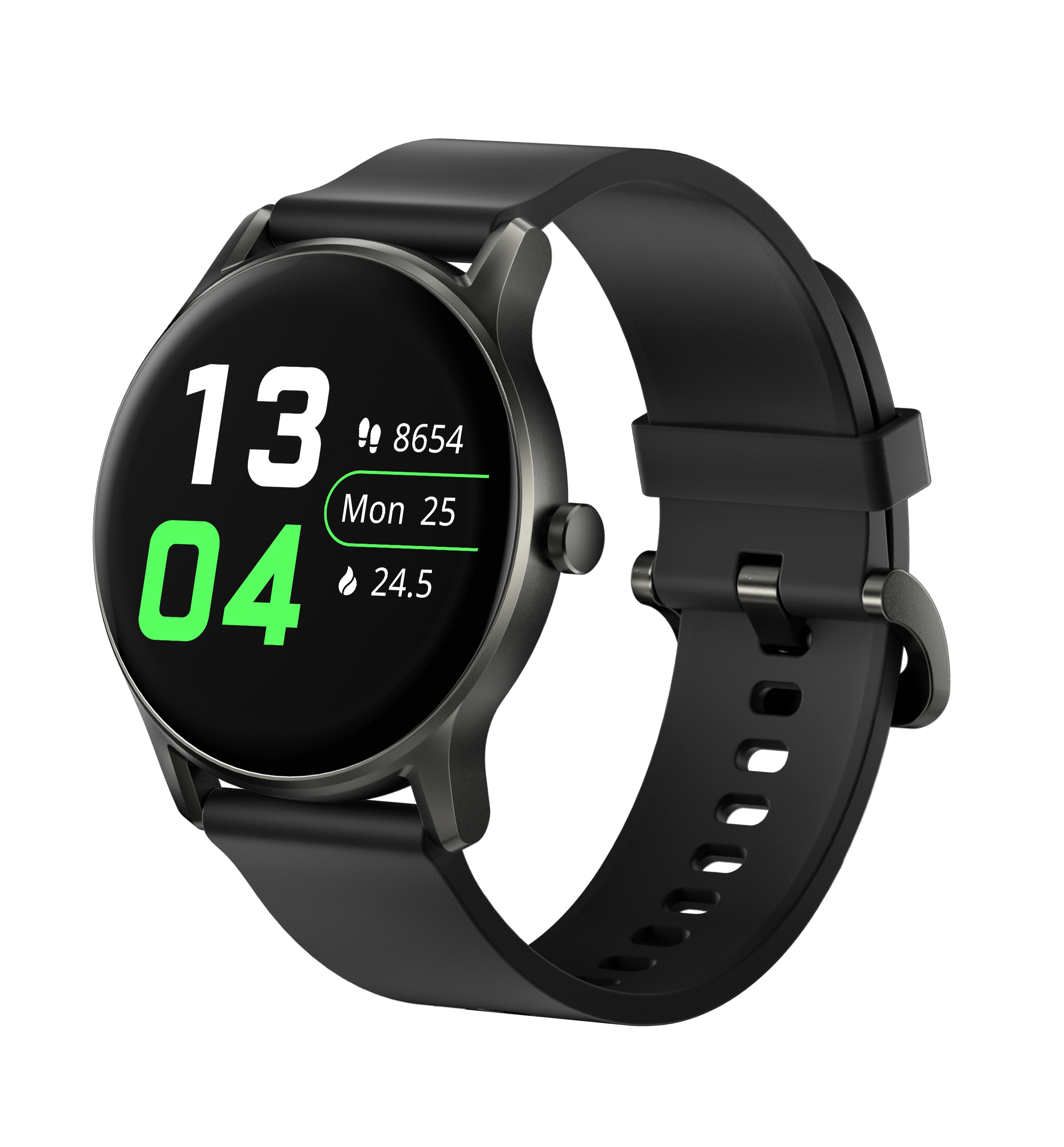
A smart watch order is not late because the factory was slow. It is late because a pallet sat at Shenzhen airport while a forwarder waited for a UN38.3 test summary that matched the battery actually inside the box. Air freight rules treat the lithium cell as the regulated article, not the watch. If your supplier cannot connect a document to a specific cell and pack revision, the shipment stops at acceptance, and no amount of chasing the sales contact will move it. This is why the paperwork conversation belongs in the purchase order, before tooling starts.
What the forwarder actually asks for
Most carriers and ground handlers work from a short list, and they want it before they quote a rate. The UN38.3 test summary is the first item: a one-page abstract covering the eight tests in the UN Manual of Tests and Criteria, tied to the cell and pack model. The safety data sheet follows, then the packing instruction declaration naming the applicable packing instruction for the watt-hour rating and the mode of transport. Where the carrier requires it, a shipper's declaration for dangerous goods is completed by the shipper, not the factory. Keep the cell specification sheet in the same folder, because a mismatch between the summary and the specification is the most common reason a consignment is rejected at the counter.
The mistakes that hold a pallet
Three failures repeat. First, the summary names the cell but the pack was rebuilt with a different protection board or capacity, so the document no longer describes the article. Second, the product name on the invoice, the packaging and the test summary disagree, which reads as a documentation gap rather than a typo. Third, the state of charge is not declared or is declared inconsistently between the packing list and the shipper's declaration. None of these are exotic; all of them cost days. A buyer who asks for the summary and the cell specification as PDFs at sample stage, and checks the model strings against the invoice template, removes most of the risk before the first bulk order. The same discipline applies across the Health & Wellness line and the Fitness & Sports line, where pack formats differ between models.
| Document | Who issues it | What the buyer should check |
|---|---|---|
| UN38.3 test summary | Battery cell or pack maker | Cell and pack model strings match the device BOM and the invoice |
| Safety data sheet | Cell or pack maker | Revision date is current and the chemistry matches the summary |
| Packing instruction declaration | Shipper or factory | Correct packing instruction for the watt-hour rating and mode |
| Shipper's declaration | Shipper of record | Signed by the correct legal entity, not a forwarder template |
| Cell specification sheet | Cell maker | Capacity, voltage and protection board agree with the summary |
| Commercial invoice and packing list | Exporter | Product name identical across all three documents |
Certification is a booked scope, not a badge
Radio, safety and battery documents are separate workstreams and should be tracked separately. CE RED for a watch covers EN 300 328, EN 301 489 and EN 62368-1, and the test scope is booked with an accredited laboratory per hardware revision. That means a new radio module, a new antenna layout or a new charger is a new booking, not a photocopy. The same logic governs FCC Part 15 B/C and UKCA where you need it, plus RoHS 3 and REACH SVHC screening. Nickel release testing under EN 1811 matters for any skin-contact item, which includes watch cases and ring housings. Buyers who want the full list before placing tooling orders should work through the CE RED document checklist alongside the battery file, because a forwarder will ask for both.
Where the importer's duty sits
Air freight paperwork clears the border; it does not discharge market obligations. WEEE registration, the German BattG battery registration, French DEEE and Triman marking, and EORI and VAT registration sit with the importer in the destination market. A supplier can supply the technical file and the declarations, but it cannot register on your behalf. This is the point where a purchasing manager should be willing to say no: if a supplier offers to "handle the German battery registration for you", that is a sign the compliance conversation is being blurred rather than managed. The clean split is technical documentation from the factory, market registration by the importer.
Sequencing the order so nothing waits
Put the paperwork on the same timeline as the tooling and the samples, not after them. A practical order looks like this:
- Confirm the cell and pack model in the BOM before the sample is built, and request the UN38.3 summary and SDS at that point.
- Check model strings across the summary, the specification, the artwork and the invoice template.
- Book radio, safety and battery test scopes per hardware revision with an accredited laboratory.
- Confirm Incoterms and who signs the shipper's declaration, then align the invoice with the packing list.
- Re-check documents whenever a cell, charger or radio module changes, because a revision invalidates the file.
The MOQ and lead-time structure behind these steps is set out in MOQ, sampling and lead times, which is worth reading before you commit to a first run of a health smartwatch, a GPS sport watch or a smart health ring. For buyers running several SKUs, the product catalogue and OEM/ODM services pages show how pack formats and radio configurations vary across a range, and the factory page describes the QC gates that sit behind the documents. The next concrete step is simple: request the UN38.3 summary, the SDS and the cell specification for the exact model you intend to order, then read them against your invoice template before you release the purchase order.
Questions buyers ask
What documents does a forwarder need before booking a smart watch air shipment?
Expect the UN38.3 test summary, the safety data sheet, the packing instruction declaration, and a shipper's declaration where the carrier requires one. The documents must match the exact cell or pack inside the device, not just the product family name.
Can a supplier reuse an old UN38.3 report for a new watch model?
Only if the battery cell and pack are unchanged. A new cell, a different capacity or a rebuilt pack is a new test object, and the summary must be reissued against the current hardware revision.
Related: more on ai wearables · buyer guides · customisation tiers