Smart Glasses Wind Noise: Testing Calls on a Moving Bike
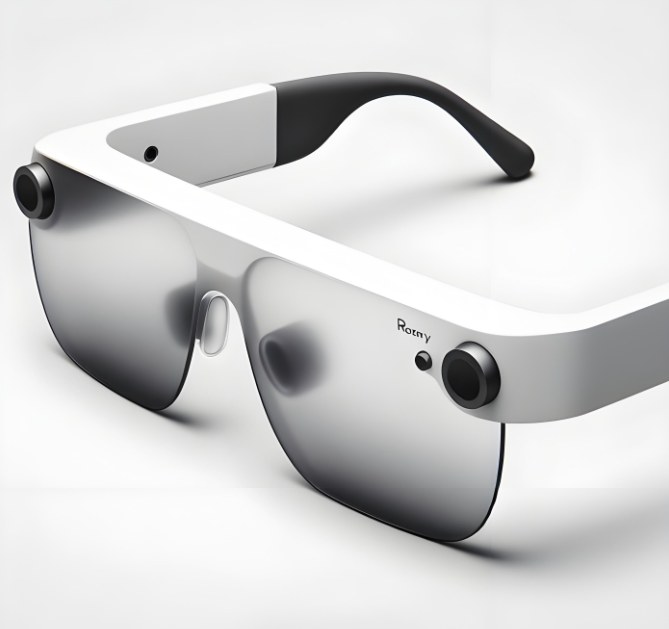
Wind noise is not a cosmetic complaint. On a bicycle at 25 km/h the airflow across a glasses temple is loud enough to mask speech, and the buyer on the other end of the call hears it first. For a purchasing manager, that makes microphone behaviour a product decision rather than an engineering detail. If the call is unusable above 20 km/h, the product is a music accessory, not a communication device, and the returns rate will reflect that. This article sets out how to test it yourself and what to ask a supplier to send you.
Why wind noise is a specification, not a defect
Every open-frame wearable faces the same physics: the microphone sits outside the ear, in moving air, with no head-shadow protection. A microphone array cycling product solves this with spacing, placement and software. The array gives the firmware something to subtract; the placement keeps at least one capsule out of the worst turbulence; the software decides how aggressively to gate. None of that appears on a normal datasheet. Ask instead for the microphone count, the physical positions relative to the temple and hinge, and whether wind reduction is always on or switched by an app. If the supplier cannot describe the array in a sentence, the sample will tell you the rest.
It also helps to know what the category is doing. Our overview of AI glasses market trends covers where audio quality now sits in buyer expectations, and it is a fair briefing document to share with your own product team.
How to run a call test that means something
Test on the bike, not in the office. A corridor recording will flatter any microphone. Use the same route, the same phone and the same network each time, and record both directions of the call. Ask the person on the other end to score intelligibility rather than loudness, because a loud call with clipped consonants is worse than a quiet clear one. Repeat at a walking pace, at 20 km/h and at your target speed, and note the wind direction. A crosswind is harder than a headwind and will expose placement problems that a still day hides.
- Ride at three speeds and record a voice note at each, plus one live call.
- Play the recordings back on a phone handset and on a laptop speaker; buyers use both.
- Test with a helmet strap and without, since straps change airflow near the temple.
- Test in the rain or with a wet face if the product claims any water resistance.
- Log battery level at the start and end of each run so audio processing load is visible.
When you request samples, be specific about the configuration. Our published MOQ, sampling and lead times page sets out stock samples at three to five days and configured samples at seven to fifteen days, with sample cost credited against mass production. A configured sample is worth the wait if you intend to change the microphone tuning or the app.
What to ask a supplier to send you
Ask for the sample, the firmware version it carries, and a written note of the audio settings in that build. Ask which microphone positions were used and whether the sample matches the intended mass-production build. If the answer is that the sample is "close", treat the call test as void and repeat it on a production-intent unit. Ask for the test report scope as well, so you know what has been booked and what has not.
| Item to request | What it tells you | Red flag |
|---|---|---|
| Production-intent sample | Whether the audio tuning you tested survives to mass build | Only a hand-built prototype is offered |
| Firmware version and audio settings | Whether wind reduction can be changed after launch | No version control on the build |
| Microphone count and positions | Whether the array can reject wind at all | Positions described only as "optimised" |
| CE RED test scope per hardware revision | Which standards are booked with an accredited lab | Certification described as already held |
| Battery UN38.3 and SDS | Whether the cell can ship by air | Documents promised "later" |
| AQL and QC gate list | How audio defects are caught before packing | Final inspection only |
The compliance column matters even though wind noise is not a regulatory topic. Documents are issued per model and hardware revision, and the scope we work to includes CE RED (EN 300 328, EN 301 489, EN 62368-1), FCC Part 15 B/C, UKCA on request, RoHS 3, REACH SVHC screening, battery UN38.3 with SDS, and EN 1811 nickel release for skin-contact items. The full list is on our CE RED document checklist. Note that EU and UK importer duties such as WEEE, BattG, DEEE/Triman, EORI and VAT sit with the importer, not the factory.
Where an importer should say no
Say no when a supplier offers to "tune it after the order" without a firmware change control process. Say no when the only audio evidence is a studio recording. Say no when the microphone array cannot be described, because you will be unable to write a credible specification sheet or defend the product in a review. And say no to a call-quality claim that the supplier will not put in the purchase order as a measurable acceptance criterion. If you plan to change the app or the wake word, look at our firmware and app customisation options before you fix the build, since white-label firmware starts at 2,000 units.
For reference on how a production-ready frame is put together, the Vox Ride cycling glasses sit inside our wider AI Glasses line, alongside the Vox One AI Glasses for buyers who want a general-purpose frame rather than a cycling one. The factory page explains our IQC, IPQC, FQC and OQC gates at AQL 2.5 major and 4.0 minor, which is where an audio defect should be caught rather than at your returns desk.
Send us your target speed, your route conditions and the phone models your customers use, and we will quote a configured sample against that brief so the call test you run is the one that matters. You can reach the team through send us the specification.
Questions buyers ask
How do I test wind noise on AI cycling glasses before committing to an order?
Ride at your target speed with the sample, record a call and a voice note, then listen back on a phone and a laptop. Ask the supplier for the beamforming and wind-reduction settings in writing, and confirm which microphone positions were used in the sample you tested.
Does wind noise affect compliance or certification?
No. Wind noise is an acoustic performance question, not a regulatory one. CE RED, FCC and UKCA cover radio, EMC and safety, so a quiet microphone does not make a product compliant and a loud one does not make it non-compliant.
Related: more on ai glasses for cycling · buyer guides · customisation tiers