Smart Glasses Fit Returns: Turning Comfort into a Procurement Gate
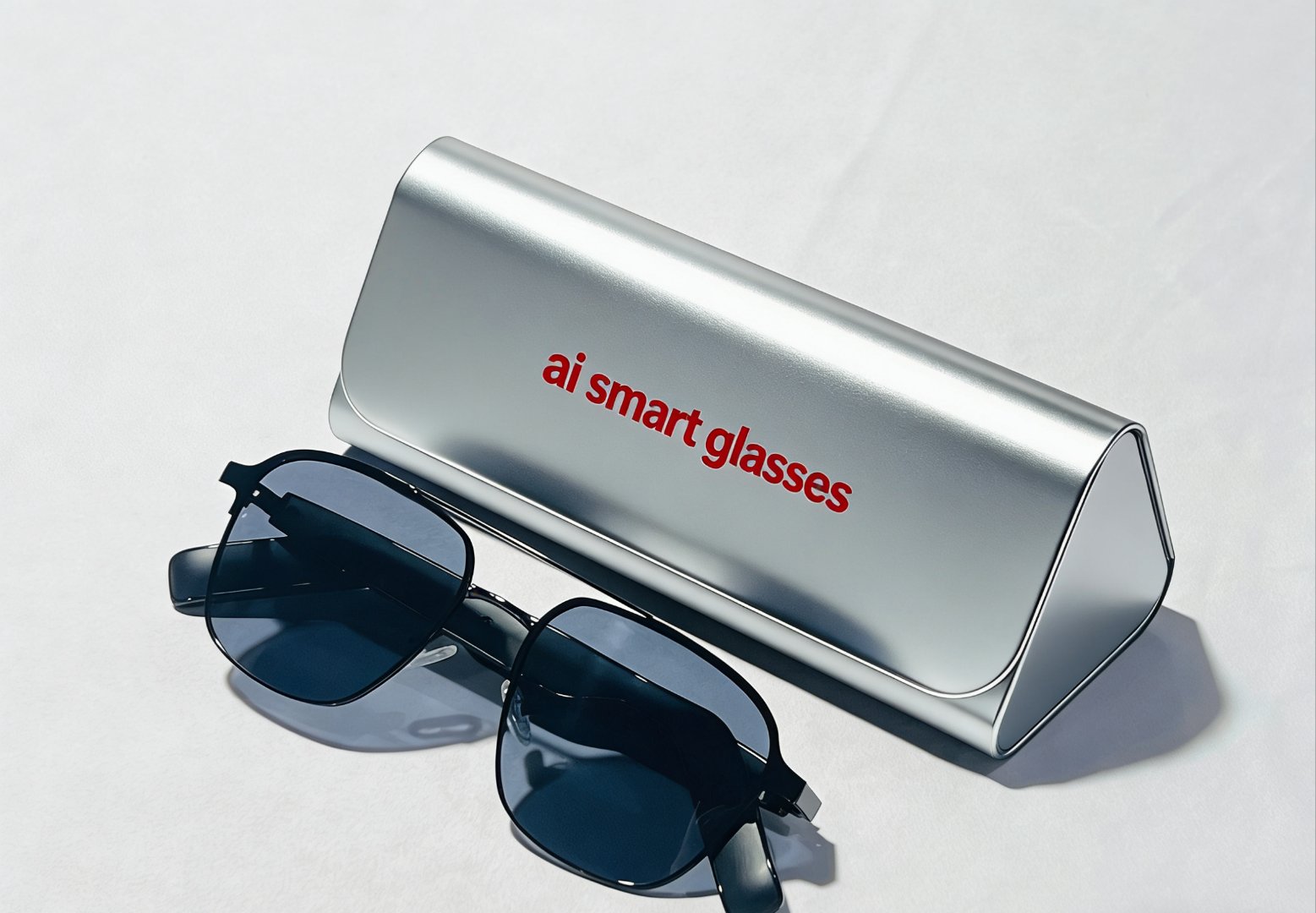
Fit is not subjective in procurement; it is a returns number. For AI glasses distributed across Europe and North America, unaddressed fit issues drive the highest post-launch return rate — not software bugs or battery life. This article outlines how to convert weight, nose pad geometry and temple balance into enforceable, supplier-agnostic acceptance criteria, using WingPhoenix’s published factory policy and test scope as a baseline. It focuses on what you can specify, verify and hold a supplier to — before first shipment.
Weight Is Not a Single Number — It’s a Distribution Map
Quoting “under 120 g” is insufficient. Mass production tolerances in frame injection, lens bonding and battery housing cause real-world weight shifts of ±4–6 g between revisions. What matters is where that mass sits: temple mass concentration increases torque at the ear, while front-heavy balance strains the nasal bridge. WingPhoenix measures weight distribution across three axes during FQC — not just total grams — and reports centroid shift against the reference CAD model. If your brand’s target user group includes adults over 55 or children aged 8–12, request the centroid report per batch. That data anchors fit claims in physical reality, not marketing copy.
Nose Pad Geometry Must Match Skin Contact Standards
Nose pads are not cosmetic — they are regulated skin-contact surfaces. Under EN 1811, nickel release must be below 0.5 µg/cm²/week. But compliance alone does not guarantee comfort: pad width, curvature radius and vertical offset determine contact pressure per square millimetre. WingPhoenix books EN 1811 screening per hardware revision, but you must specify the pad profile in your customisation tiers document. A 3 mm vs. 5 mm pad depth changes load distribution by up to 30 % under static load — visible in pressure-mapping tests done at the factory.
The Two-Hour Wear Test Is Your Contractual Gate
This is not a suggestion — it is the minimum duration for detecting temporal pressure build-up. WingPhoenix conducts this test on ten randomly selected units per production lot, using calibrated anthropometric headforms matched to EU and US median head size bands. The test logs micro-slip events, thermal accumulation behind ears and pad indentation depth at 30, 60 and 120 minutes. You may require this report with every OQC gate. It is included in the CE RED document checklist scope for AI glasses models like the Vox One AI Glasses, and applies equally to all models in the AI Glasses line.
Temple Balance Defines Long-Term Acceptance
Temple tension is not adjustable in mass production — it is set by hinge design, arm thickness and material modulus. Too loose: slippage. Too tight: temporalis muscle fatigue. WingPhoenix validates hinge torque per lot using ISO 8549-2 compliant fixtures. But torque alone is meaningless without context. Specify your required balance point (e.g., “front-to-back ratio within 0.85–1.15”) in the technical annex of your purchase order — a requirement already supported in the buyer resources library and enforced at the factory during IPQC.
| Criterion | What WingPhoenix Tests | What You Must Specify | Where It Appears |
|---|---|---|---|
| Weight distribution | Centroid X/Y/Z offset vs. CAD model | Acceptable deviation range (mm) | FQC report, per lot |
| Nose pad contact | EN 1811 nickel release + curvature radius | Pad width and vertical offset (mm) | Hardware revision spec sheet |
| Two-hour wear | Micro-slip count, pad indentation depth, thermal rise | Pass/fail thresholds per metric | OQC gate documentation |
| Temple balance | Hinge torque + front/back mass ratio | Target ratio range | IPQC fixture log |
| Material density | Density variance across frame zones | Max allowable variance (%) | IQC raw material certificate |
When procuring AI glasses, treat fit like EMC or battery safety: non-negotiable, testable, and tied to a documented factory gate. Do not accept “sample passed” as proof — demand the two-hour wear report, centroid data and hinge torque log with every shipment. These are not extras; they are part of the standard product catalogue compliance envelope. To begin drafting your fit specification annex, send us the specification — we will map each clause to our existing test scope and flag any gaps before tooling begins.
Questions buyers ask
Why do fit-related returns spike after 90 days even when samples passed initial review?
Because comfort is time-dependent: pressure points emerge only after sustained wear, and supplier samples are often built from pre-production tooling that differs from mass units in material density and hinge tension.
Can I specify fit as a contractual acceptance criterion without delaying launch?
Yes — if you align the requirement with WingPhoenix’s existing factory test scope, which includes a two-hour simulated wear test and documented pressure mapping per hardware revision.
Related: more on ai glasses & optics · buyer guides · customisation tiers