AI Glasses Optician Channel: What an Eyewear Buyer Checks First
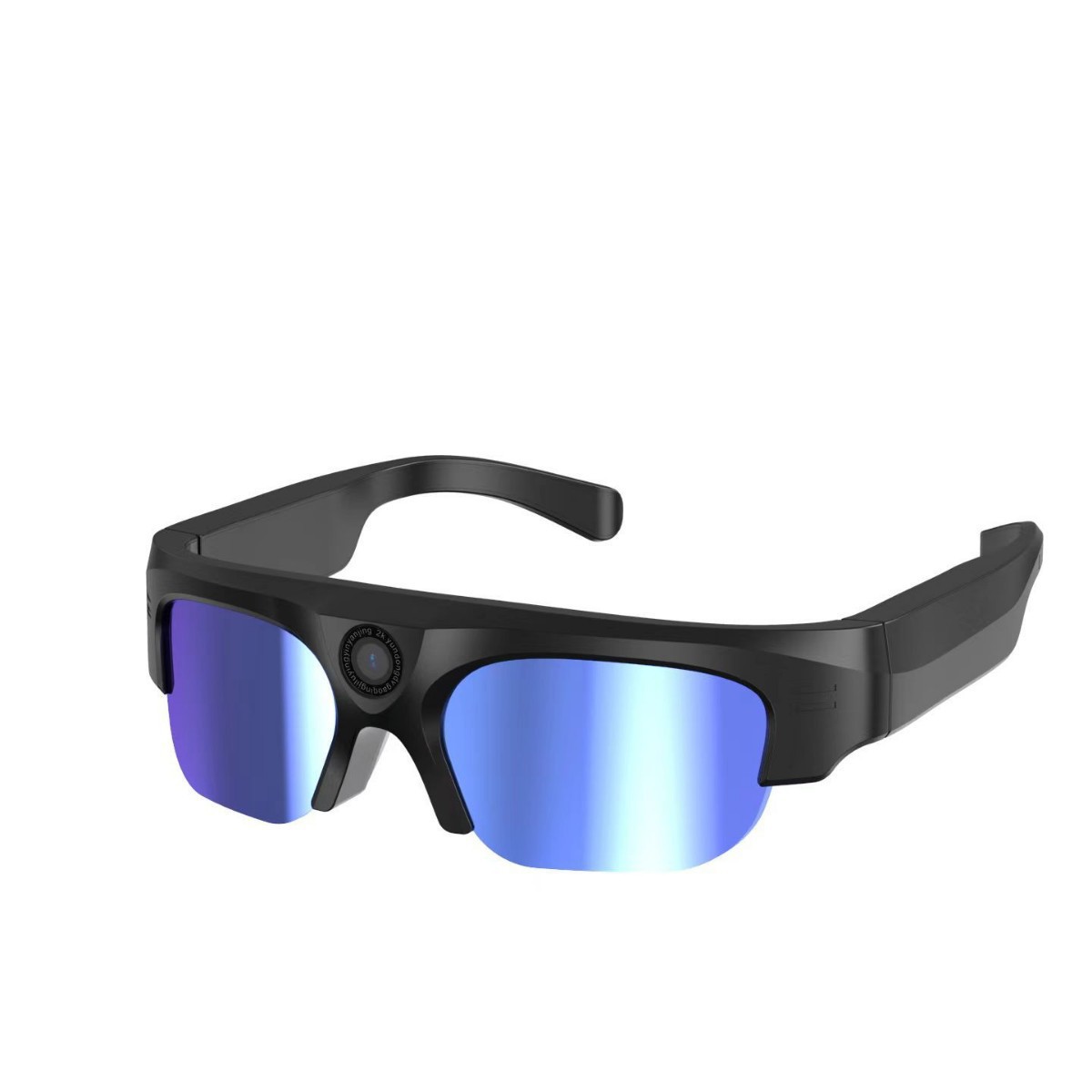
Most optical buyers meet AI glasses the same way: a customer walks in with a frame they bought online and asks whether it can be glazed. That single question tells you more about the category than any trade show. The camera frame is a wearable computer in the temple, but at the counter it is judged as eyewear, and eyewear is judged on fit, lens interface and after-sales. This brief sets out what an optical chain should establish before it puts a camera frame on the display wall.
Start with the lens interface, not the chipset
An optician's first objection is mechanical. A camera frame must accept a prescription lens without interfering with the temple electronics, and the glazing process must not stress the hinge or the sensor window. Ask the supplier for the lens shape, the effective diameter, the recommended material and the maximum thickness the rim will carry. If the supplier cannot answer in optical terms, the frame is a consumer gadget, not an optical product.
Weight distribution matters more than total weight. A frame that carries a battery and a camera in one temple will sit asymmetrically unless the other temple is counterweighted. Ask for the balance point and the nose pad adjustment range. For a first listing, the sensible approach is to range the model that has the simplest lens interface, which is why many buyers start with the Vox One AI Glasses and expand once the glazing workflow is proven in store.
The compliance file an importer actually needs
Certification is not a brand attribute; it is a test scope booked per hardware revision with an accredited laboratory. A supplier that presents one certificate for a whole product family is telling you the document is out of date. Request the scope per revision and check that the revision number matches the goods on the purchase order. The CE RED document checklist is written for wearables and applies directly to camera frames: radio, EMC and safety standards, plus the battery transport file.
Nickel release is the item optical buyers forget. Any part that contacts skin for prolonged periods falls under EN 1811 in the European market, and a metal frame front is exactly that part. Ask for the skin-contact statement alongside the radio file. Remember too that WEEE, battery take-back, packaging and EORI or VAT registration sit with the importer, not the factory, so the compliance cost lands on your balance sheet before the first unit sells.
| Checkpoint | What to request | Why it decides the listing |
|---|---|---|
| Lens interface | Lens shape, effective diameter, material and thickness limits | Determines whether the store can glaze in-house or must outsource |
| Weight balance | Balance point and nose pad adjustment range | Drives return rates and wear-time complaints |
| Radio and safety file | CE RED scope per hardware revision, FCC Part 15 where relevant | Customs and market surveillance both ask for it |
| Materials | RoHS 3, REACH SVHC screening, EN 1811 nickel release | Skin-contact parts are the most common optical complaint |
| Battery | UN38.3 report and SDS | Air freight and returns handling depend on it |
| After-sales | Warranty term, spare parts policy, repair route | Optical customers expect a service counter, not a ticket queue |
Commercial terms and the listing decision
Optical chains rarely buy in the volumes of a consumer electronics distributor, so the minimum order quantity is the first commercial wall. Published terms are 500 units standard, with the AI glasses line at 300 units, logo at 500 and custom packaging at 1,000. Firmware or app white-label starts at 2,000. If your first order is a trial of two stores, those numbers do not work, and the honest answer is to buy stock rather than open a tooling project. The customisation tiers set out where each threshold sits so you can plan the second order before placing the first.
Sample timing is the other practical constraint. Stock samples ship in three to five days and configured samples in seven to fifteen, with sample cost credited against mass production. Production runs 25 to 35 days from deposit. For an optical chain planning a spring window, that means the purchase order has to be placed before the buying calendar closes, not after.
Questions to put to any supplier
- Which hardware revision is quoted, and does the certificate scope name that revision?
- Can the frame be glazed with the lens materials we already stock, and at what thickness limit?
- What is the spare parts policy beyond the 12-month warranty and 2 per cent free replacement parts shipped with the order?
- Which quality gates apply, and at what acceptance level?
- Who handles importer duties, and what documentation do you supply for our registration?
- If the app is white-labelled, who owns the update path and the store listing?
The quality answer should be specific: IQC, IPQC, FQC and OQC at AQL 2.5 major and 4.0 minor is a process you can audit, and the factory page shows how those gates are laid out on the line. Vague answers about "strict quality control" are a reason to walk away, and so is a supplier who offers to send a certificate for a different model because "it is the same inside".
Where the optician should say no
Say no when the supplier cannot separate the optical product from the gadget. Say no when certification is presented as a brand-level document rather than a revision-level test scope. Say no when the frame has no glazing instructions, because your lab will be guessing. Say no when the supplier expects you to carry the importer registrations without pricing them into the margin.
Say yes when the frame is designed to be glazed, the documents match the revision, and the supplier understands that your customer returns to the store, not to the website. If that is the case, the next step is simple: send the specification you want quoted, including lens interface, target markets and first-order volume, through the contact form, and ask for a revision-specific document pack with the sample. Buyers who want the wider category context before that conversation can read the AI glasses market trends briefing, and the buyer resources section holds the rest of the checklists.
Questions buyers ask
Can a camera frame be sold as prescription eyewear in an optical store?
Yes, if the frame front accepts a prescription lens and the store controls the fitting. The camera module and electronics sit in the temple, so the optical interface is the deciding factor, not the electronics.
What documents should an optician request before listing?
Ask for the test scope per hardware revision: CE RED, FCC Part 15, RoHS 3, REACH SVHC screening, battery UN38.3 and SDS, plus EN 1811 nickel release for skin-contact parts. Treat certificates as revision-specific, not brand-wide.
Related: more on ai glasses & optics · buyer guides · customisation tiers