Fitness Tracker Accuracy Comparison: A Distributor Bench Protocol
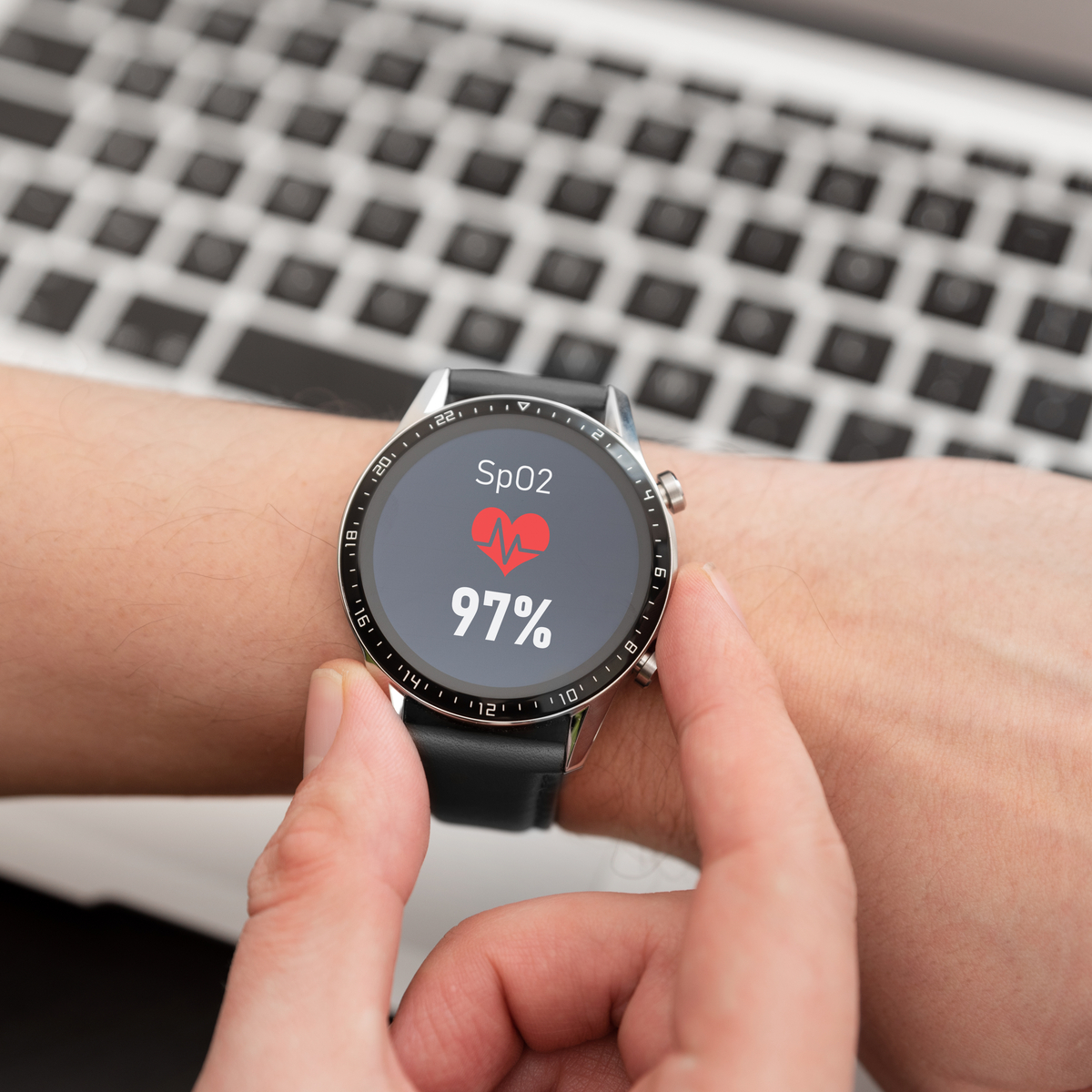
Every accuracy claim on a wearable listing is a promise the importer, not the factory, will be asked to defend. The supplier can hand you a datasheet; only your own bench can tell you whether the numbers hold still when the same unit is tested twice on the same afternoon. This protocol takes roughly two hours per model and produces a one-page record you can attach to the purchase file. It is deliberately cheap, deliberately boring, and deliberately not a clinical study.
What a bench test can and cannot establish
A bench protocol measures repeatability, sensitivity to known interference, and plausibility against a reference device. It cannot establish clinical accuracy, and no distributor should describe it as validation. The distinction matters commercially: if your listing says "validated accuracy" and your evidence is a bench sheet, you have created a compliance exposure that no factory document will close. Keep the language to what you measured — stability under motion, consistency across skin tones, agreement with a reference within a stated band. For the wellness framing that governs these products, the Health & Wellness line documentation is the right reference point, and the same wording discipline applies to the Fitness & Sports line.
The two-hour protocol
Book a quiet room, one reference device you trust, and three testers with different skin tones on the wrist or finger. Run the sequence below in one sitting so ambient conditions stay constant, and log everything in a single file with timestamps.
- Rest, seated, five minutes. Record both devices simultaneously. Note the spread, not the average.
- Rest, supine, five minutes. Posture change alone exposes poor contact pressure design.
- Steady walk, ten minutes. Treadmill or corridor, constant pace. This is where motion artefact appears.
- Interval walk, ten minutes. Deliberate pace changes. Watch for lag on recovery.
- Wrist flexion and grip, three minutes. Clench and release. Optical sensors with weak ambient-light rejection drift here.
- Skin tone rotation. Repeat steps 1 and 3 with each tester. Record per tester, never pooled.
- Cold hand, two minutes. Peripheral perfusion drops and PPG signal quality follows.
Two hours is enough for three testers if you keep the intervals tight. Anything longer and fatigue starts contaminating your own reference readings.
Decision checklist before you list an accuracy claim
| Check | What you are looking for | Action if it fails |
|---|---|---|
| Repeatability | Same unit, same conditions, twice, similar result | Do not list; request a firmware or mechanical review |
| Motion artefact | No sustained drop-out during steady walk | Restrict claim to resting use only |
| Skin tone spread | Per-tester results recorded separately | Remove any blanket accuracy statement |
| Reference agreement | Consistent direction of error, not random | State the band, not a single figure |
| Document revision | Test unit matches the revision you will import | Retest; a different build is a different product |
| Wording | Wellness guidance, never diagnosis | Rewrite copy before publishing |
Hardware revisions change the answer
An optical sensor result belongs to a specific hardware revision, not to a model name. If the sensor window, the contact geometry or the algorithm changes, your bench sheet is void. This is the same logic that governs certification: CE RED scope is booked per hardware revision with an accredited laboratory, and the CE RED document checklist is worth reading alongside your test log so the two records stay aligned. When you compare a health smartwatch against a GPS sport watch, confirm both units are from the revision you intend to order. For finger-worn formats the contact problem is different again, so test the smart health ring and the smart ring with charging case as separate items rather than assuming a shared result.
Where to say no to a supplier
Say no when a supplier offers an accuracy figure with no revision reference, when the sample you tested is not the build you will receive, or when a claim is framed as diagnostic. Say no when the test unit arrives without the documents that travel with the order — the MOQ, sampling and lead times page sets out what a configured sample involves, and a supplier who cannot state the revision on the sample box will not state it on the production carton. If you intend to change firmware behaviour, that work belongs in the OEM/ODM services scope and must be retested, not inherited. The how we build and test page describes the QC gates your bench sheet sits alongside, and the product catalogue is the starting point for pulling the right revision numbers into the file.
Before you publish anything, run the two-hour protocol on one unit, write the result into a single dated page, and send that page to the supplier with the revision number you tested. Ask them to confirm in writing that the production build matches it. If they will not, you have your answer on the listing copy, and you have saved yourself the argument later.
Questions buyers ask
Can a distributor verify a fitness tracker accuracy claim without an accredited lab?
You can verify repeatability and plausibility on a bench, which is enough to decide whether a claim belongs on a listing. You cannot verify clinical validity, and no bench protocol should be presented as doing so.
What is the single biggest mistake in a fitness tracker accuracy comparison?
Comparing two devices against each other instead of against a reference. Two devices agreeing only proves they share a failure mode.
Related: more on ai wearables · buyer guides · customisation tiers