Family Wearable Account Model for EU and UK Importers
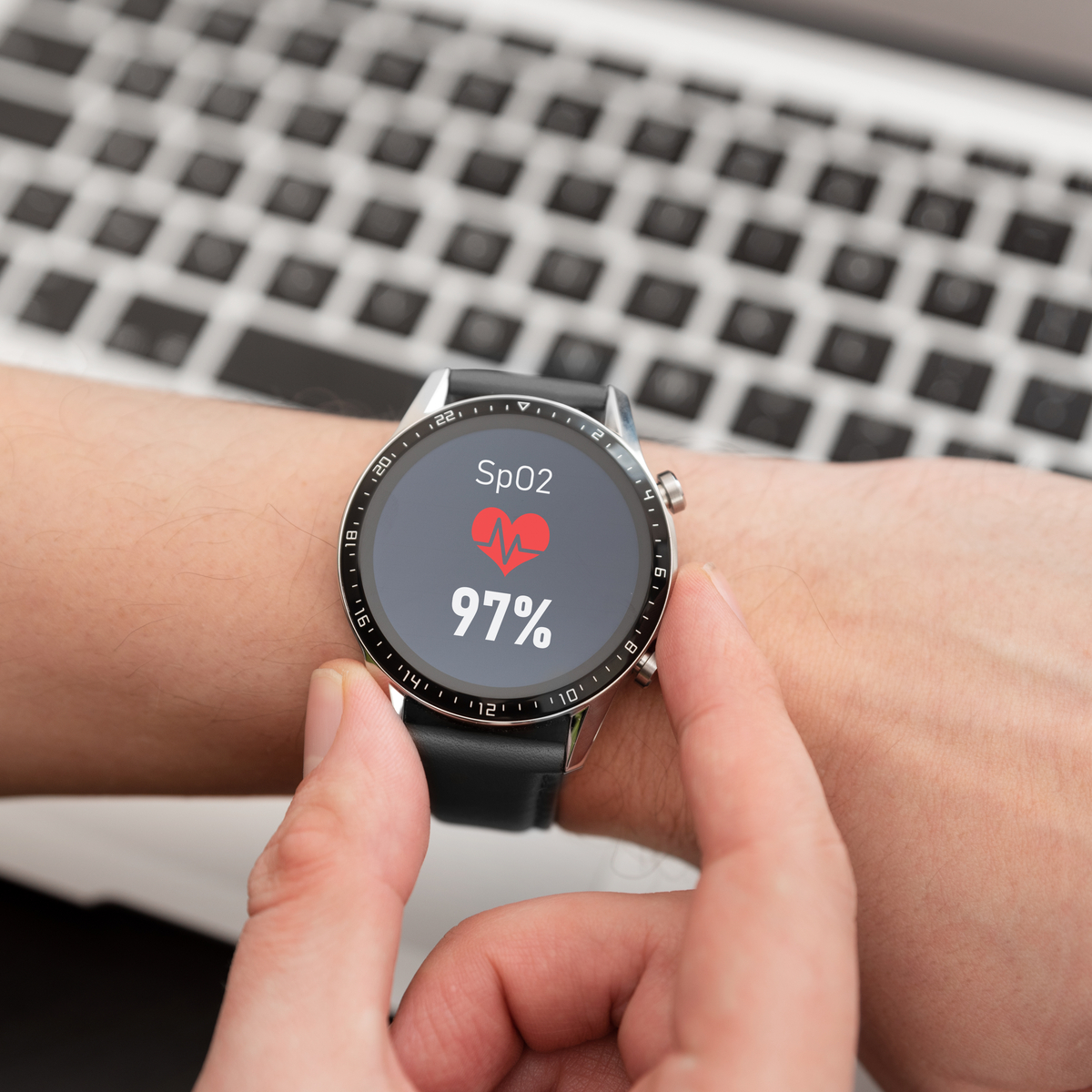
Before any family member is invited to a wearable account, the architecture must assign one legal entity as data controller, define how minors interact with the system, and enforce deletion across hardware, firmware and cloud layers. WingPhoenix builds to this requirement by aligning account logic with the physical product’s regulatory scope: a health smartwatch carrying EN 71-1/-2/-3 certification requires different consent handling than a smart ring with charging case covered only by RoHS 3 and EN 62368-1. This is not a software-only decision — it begins at MOQ planning, where firmware white-label minimums of 2,000 units apply if custom account logic must be embedded in the device itself.
Controller designation starts at import
The importer — not WingPhoenix — must act as data controller for all devices sold into the EU or UK. This is non-negotiable under GDPR Article 4(7) and UK DPA 2018 Section 5. WingPhoenix provides no controller status, no joint-controller agreements and no shared processor contracts. The importer declares controller identity in their own privacy notice, appoints a UK or EU representative if required, and maintains records of processing activities. This applies equally to the companion robot, where voice snippets are stored locally but routed via importer-managed cloud infrastructure. Controller designation cannot be delegated to a third-party SaaS provider without documented data processing agreements covering every endpoint — including firmware update servers and diagnostic telemetry channels.
Minor consent is bound to age grading, not firmware prompts
Consent for minors is not implemented in-app alone. It is anchored to the age grade printed on the packaging — which determines whether EN 71-1/-2/-3 and the Toy Safety Directive 2009/48/EC apply. For example, a Health & Wellness line device marked “3+” triggers toy-grade safety testing and mandates parental gateways before metrics like step count or heart-rate variability are shared beyond the device. No firmware override exists. If the packaging says “14+”, the device falls outside toy regulation, and consent flows follow standard GDPR conditions — but still require verifiable age checks before account creation. These decisions are locked at the lab booking stage: each hardware revision undergoes separate CE RED and toy-scope validation, documented in the CE RED document checklist.
Data sharing must be metric-specific, not account-wide
“Sharing” is not binary. A family wearable account must allow selective permissioning: e.g., a parent may view sleep duration from the health ring but not skin temperature trends, while a caregiver may receive fall alerts from the AI wearables line without access to location history. This granularity is enforced at firmware level — meaning sharing toggles must map directly to sensor output registers, not just UI visibility. WingPhoenix supports this via configurable BLE GATT characteristics per model, but implementation requires white-label firmware development (MOQ 2,000) and alignment with the MOQ, sampling and lead times schedule.
Deletion is irreversible — but only where firmware and cloud agree
This is the critical limit: WingPhoenix firmware supports local data wipe on request, but cloud-side deletion depends entirely on the importer’s backend integration. When a user selects “delete all data”, the device erases local storage, but server-side logs, anonymised training sets and aggregated wellness reports persist unless the importer’s API enforces cascade removal. No factory firmware includes automatic cloud sync deletion. This gap appears in audits — especially under EN 301 489-1 clause 7.2.3, which requires radio-emitting devices to log and erase personal data on command. Importers must verify deletion paths end-to-end before launch, using test credentials and documented retention policies.
Compliance is built per revision, not per category
A CE RED certificate covers one hardware revision, one firmware version and one declared use case. A health smartwatch certified for heart-rate guidance cannot later be marketed for stress detection without retesting. Likewise, a OEM/ODM service adding family account logic must rebook EMC, low-voltage and radio scopes — even if the PCB is unchanged. All documentation, including UN38.3 battery reports and EN 1811 nickel release certificates, is issued per build. This is why WingPhoenix ships sample kits with pre-tested size sets for rings and pre-validated battery modules for power banks: compliance is physical, not theoretical.
| Requirement | Where Verified | Importer Responsibility |
|---|---|---|
| Single designated controller | Privacy notice, DPA register, UK/EU rep appointment | Must be declared before first device sale |
| Minor consent workflow | Packaging age grade + lab test scope | Must match EN 71 or non-toy directive coverage |
| Metric-level sharing | Firmware GATT characteristic mapping | Requires white-label firmware (MOQ 2,000) |
| Local deletion trigger | Device firmware, tested under EN 301 489-1 | Importer must extend to cloud API |
| CE RED validity | Per hardware revision, per firmware version | Re-testing needed for any account logic change |
| Battery marking | UN38.3 report + SDS + watt-hour print | Verified at OQC gate before shipment |
| Toy safety scope | EN 71-1/-2/-3 booked per packaging grade | Cannot be added post-certification |
- Start with your controller declaration and UK/EU representative appointment
- Confirm age grading on packaging before lab booking
- Review the how we build and test process to align firmware milestones
- Use the product catalogue to identify models already certified for your target scope
- Book CE RED and toy testing early — lead times stretch to 12–20 weeks for ODM tooling
- Verify cloud deletion paths before finalising white-label firmware specs
Do not proceed to sample configuration until controller identity, age grading and deletion architecture are documented. WingPhoenix can supply pre-tested firmware templates and coordinate lab bookings, but only after the importer confirms these three anchors. Send us the specification with your controller statement, intended age grade and required sharing matrix — we will confirm feasibility, scope and timeline against current factory capacity.
Questions buyers ask
What account architecture must a family wearable support before the first relative is invited?
A single designated data controller per household, explicit minor consent workflows tied to age grading on packaging, granular sharing permissions per metric, and irreversible deletion triggers that map to device firmware and cloud retention policies.
What does finance need to know about liability if a minor’s data is processed without valid consent?
The importer bears full responsibility for controller designation and consent evidence under GDPR and UK Data Protection Act 2018; no factory warranty or CE RED scope covers unlawful processing or penalties arising from misconfigured accounts.
Why did our distributor’s sample fail the German test lab’s audit on data portability?
Because the firmware did not expose an export function for raw activity logs — a requirement under EN 300 328 Annex D for devices transmitting personal data over radio interfaces, verified during CE RED testing.
What do most suppliers refuse to disclose about account deletion?
That firmware-level deletion (e.g., on the <a href="https://wingphoenixai.com/products/health-wellness/r1-ai-health-ring/">health ring</a>) does not purge cached biometric history from companion app servers unless the cloud API enforces cascade removal — a white-label integration point, not a factory default.
Related: more on ai health monitoring · buyer guides · customisation tiers