Family Health Data Consent: Controller Responsibility and Deletion Rights
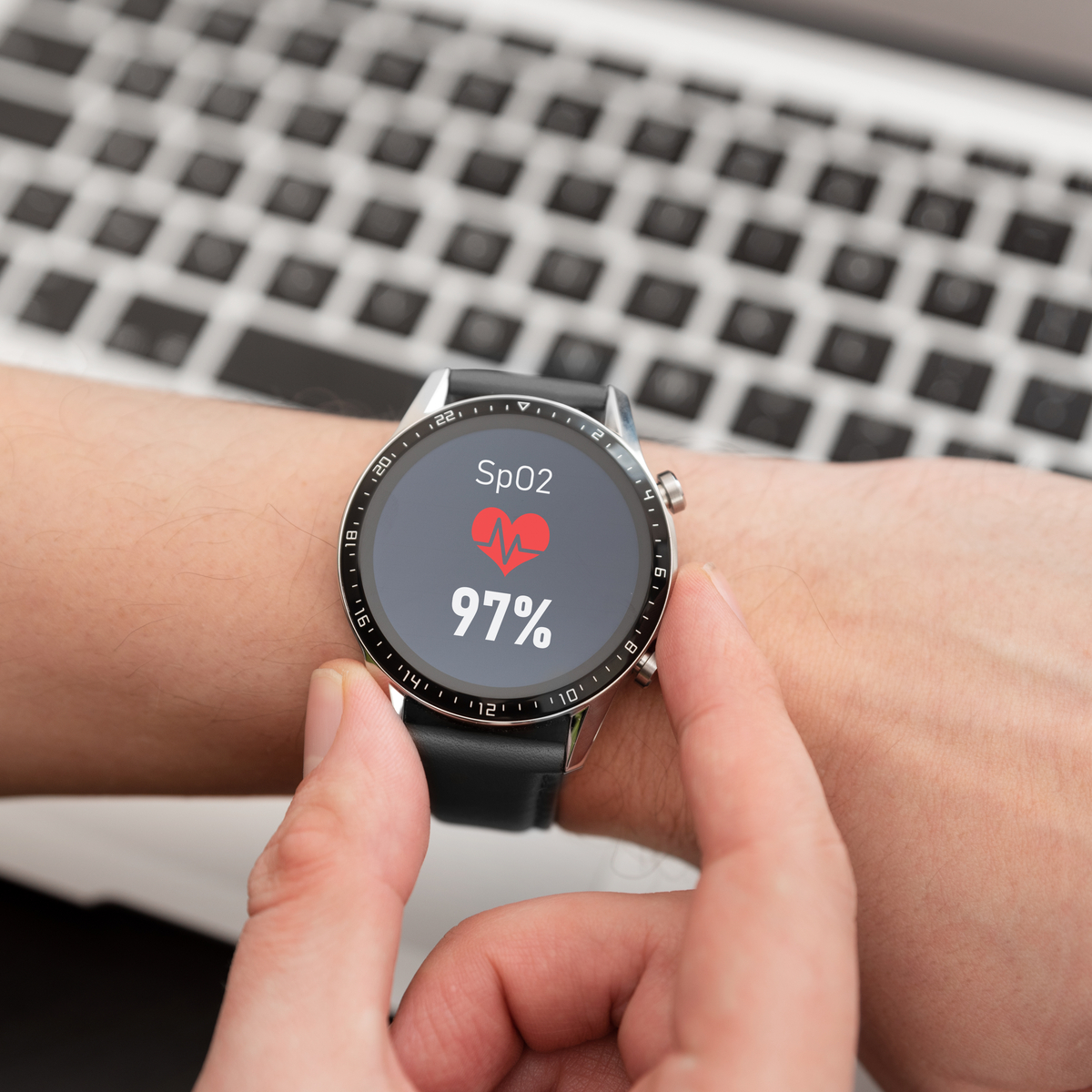
When an adult buys a health smartwatch for a parent, the question of who holds the record — and who must act on deletion requests — turns on controller designation, not purchase receipt. WingPhoenix supplies hardware and reference firmware only. It does not operate the cloud, define data retention periods, or implement user-facing consent flows. The controller is the party that decides why and how health data is processed: typically the app operator or the end user themselves, depending on configuration. This distinction governs obligations under GDPR, UK GDPR and national implementations like Germany’s BDSG or France’s Loi Informatique et Libertés.
The Controller Is Not the Purchaser
Purchasing a device does not confer controller status. Under Article 4(7) GDPR, the controller is the natural or legal person who determines the purposes and means of processing. If a distributor sells a health ring to a care provider, and that provider configures the app to collect heart rate variability for staff wellbeing reports, the provider is the controller. WingPhoenix remains a processor — bound by contract to process only as instructed, with no independent authority over data use. This applies equally to white-label apps built under OEM/ODM services: the brand owner, not WingPhoenix, assumes controller duties.
Where Data Resides — and Why It Matters
WingPhoenix hardware stores no personal health data beyond short-term sensor buffers — typically cleared within 72 hours unless explicitly retained for on-device analytics. Long-term storage, user accounts, sharing permissions and export functions reside entirely in the app’s backend infrastructure. Hosting location is therefore determined by the app operator’s cloud provider, not WingPhoenix. No firmware revision includes embedded databases, authentication servers or consent management modules. For importers assessing liability, this means due diligence must focus on the app operator’s CE RED compliance documentation, data processing agreements and sub-processor disclosures — not the watch’s Bluetooth stack.
Deletion Is an App-Level Obligation
The right to erasure under Article 17 GDPR applies to personal data held across systems — not just cloud storage but also backups, logs and third-party integrations. WingPhoenix firmware contains no deletion interface, no account management screen and no persistent user profile. Requests to delete health data must be actioned by the app operator through their infrastructure. Our role ends at providing clean firmware interfaces — such as standardised Bluetooth GATT characteristics for HR, SpO₂ and skin temperature — that allow the app to read, but not retain, raw values. Any claim that “the device deletes data on command” misstates the architecture. Confirm this in your supplier’s technical specification before signing off on a sample order.
What a DPiA Must Cover — and What WingPhoenix Does Not Provide
A Data Protection Impact Assessment is mandatory where processing is likely to result in high risk to rights and freedoms — including systematic monitoring of health data on a large scale. WingPhoenix does not conduct, supply or certify DPiAs. We do not assess how an app operator combines heart rate, sleep stage estimates and activity duration to infer stress levels. Nor do we evaluate whether sharing anonymised wellness trends with a corporate wellness platform meets legitimate interest thresholds. These assessments belong solely to the controller. WingPhoenix can supply test reports — such as IQC and FQC gate summaries or EN 62368-1 safety certifications — but none address data flow, profiling logic or lawful basis justification.
Minors, Companions and Age-Gated Use
Children’s health devices fall under strict age grading per packaging. A companion robot marketed for ages 8+ triggers EN 71-1/-2/-3 toy safety testing, not health device regulation — and prohibits any claim of physiological monitoring. Similarly, if a health smartwatch is sold with packaging stating “for adults only”, its firmware must not enable parental dashboards or shared health feeds without explicit, separate consent from the minor’s legal guardian. WingPhoenix does not ship pre-configured “family modes”; those features are implemented exclusively in the app layer. Importers should verify that age labelling matches both physical packaging and digital onboarding flows — a mismatch invalidates the entire CE marking scope.
| Decision Point | Controller Responsibility | WingPhoenix Scope |
|---|---|---|
| Consent collection | Design and implement lawful, granular, revocable flows | No consent UI; firmware sends only sensor values on request |
| Data deletion request | Locate and erase all copies across systems and backups | No persistent storage; no deletion function in firmware |
| Hosting jurisdiction | Select and audit cloud provider per Schrems II requirements | Hardware agnostic; no embedded cloud credentials |
| DPiA submission | Complete, document and review for high-risk processing | No DPiA provided; not part of factory policy or deliverables |
| Minor data handling | Verify age grading, enforce parental consent, restrict sharing | Age grading printed on packaging only; no firmware enforcement |
| Third-party sharing | Negotiate DPA terms, map data flows, assess subprocessors | No API keys, OAuth tokens or sharing logic in firmware |
WingPhoenix builds to documented standards — including Health & Wellness line safety and radio compliance — but does not design, host or govern health data processing. Procurement teams must treat firmware and app layers as separable responsibilities. Where a supplier claims “built-in GDPR compliance”, ask for the DPiA, the data flow diagram and evidence of controller designation. If those are absent, the product is not ready for family health use. To begin alignment, download our product catalogue and schedule a compliance briefing with our OEM team using the OEM/ODM services
Questions buyers ask
Who is the data controller when an adult purchases a health smartwatch for a parent?
The person who determines the purpose and means of processing — typically the end user or their legal representative — not the purchaser, distributor or WingPhoenix. WingPhoenix acts as a processor under contract.
What does finance need to know about data hosting and liability?
Hosting location is defined by the app’s infrastructure provider, not WingPhoenix hardware. Our firmware does not store personal data locally beyond 72 hours; all long-term storage and access controls sit with the app operator.
A distributor’s sample failed a local privacy audit — what’s the first thing to check?
Whether the app operator has completed a Data Protection Impact Assessment (DPiA) for health data processing, especially where biometric or continuous wellness metrics are collected. WingPhoenix provides no DPiA — it is the controller’s duty.
What do most suppliers falsely claim about family health data?
That the device or firmware “manages consent” or “handles deletion requests”. WingPhoenix firmware does not process, store or delete personal data beyond transient sensor buffers. All consent, sharing and deletion logic resides in the app layer — outside our scope.
Related: more on ai health monitoring · buyer guides · customisation tiers