Cleaning robot total cost: a buyer's cost model
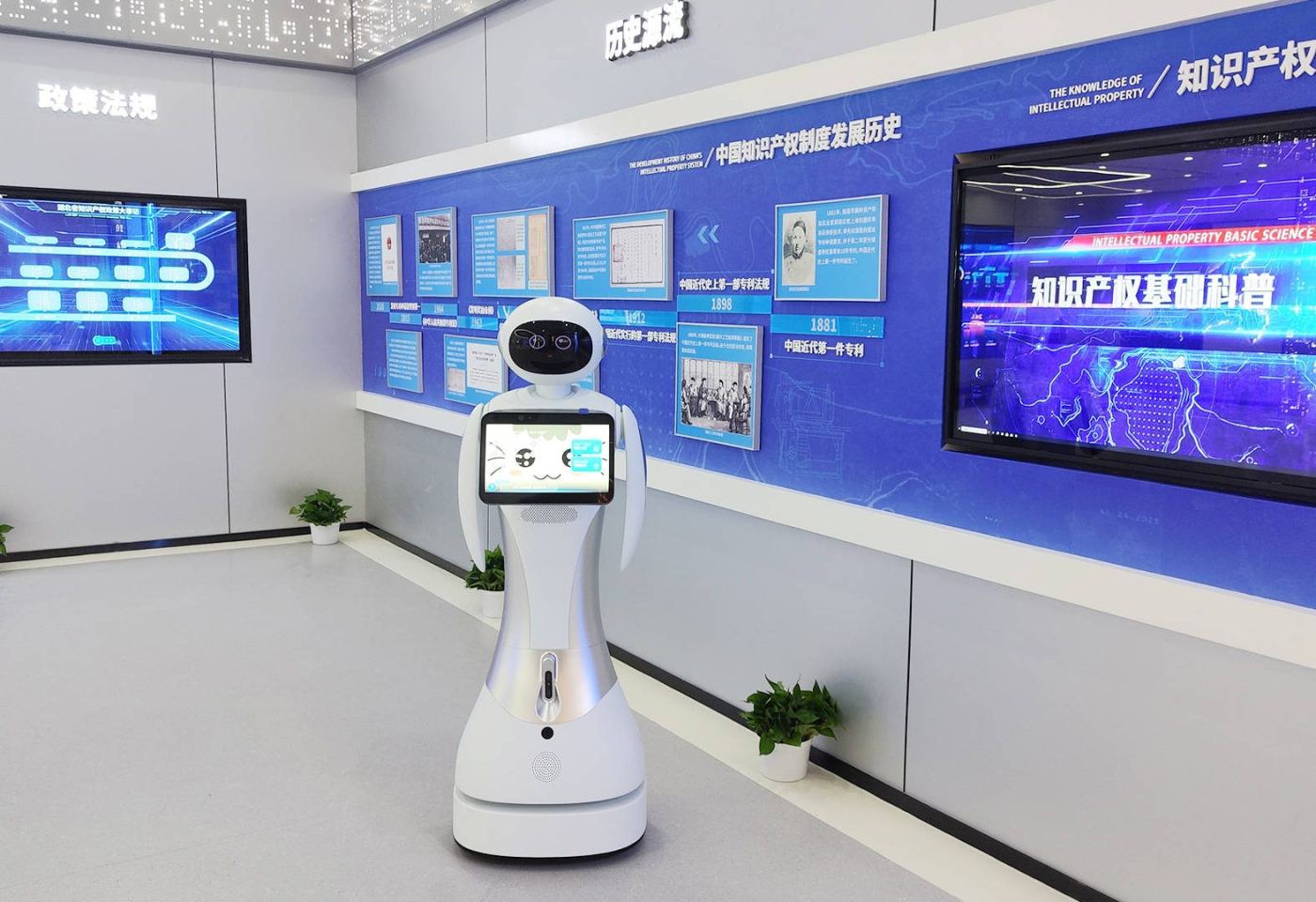
Most cleaning robot tenders are decided on unit price, and most of the cost is incurred after the container lands. An autonomous cleaning robot is a moving assembly of wear parts, a battery pack with a finite cycle life, a LiDAR module with a laser classification statement, and a set of importer obligations that follow the goods rather than the factory. The useful exercise is to take the supplier's quote and rebuild it as a total cost model with the categories below filled in from written answers. Where a supplier cannot answer a category in writing, treat that as a cost, not a gap.
Start with the commercial terms, not the BOM
Incoterm decides who pays freight, insurance, duty and the last mile, and it changes the comparison between two quotes more than any component difference. EXW, FOB Shenzhen and DDP air or sea are all quotable, and the same unit can look cheap at EXW and expensive at DDP. Ask for the quote in the Incoterm you will actually contract on. Minimum order quantity also shapes the model: service robots are quoted per project from 50 units, while the standard MOQ is 500 units, with logo at 500, custom packaging at 1,000 and firmware or app white-label at 2,000. If your first order is a trial, the tooling and packaging amortisation sits inside the first batch and disappears in the second. Our MOQ, sampling and lead times page sets out how sample cost is credited against mass production, which is the first line of the model worth getting right.
Service interval drives everything downstream
The service interval is the number of operating hours between preventive maintenance visits, and it is the single input that determines labour cost, spare parts consumption and downtime. A short interval with cheap parts is often more expensive than a long interval with dearer ones, because the labour and the vehicle movement dominate. Ask the supplier for the interval as a written figure tied to a duty cycle, and ask what the interval becomes in a dusty or high-traffic environment. Then ask who performs the work: your own field team, the distributor, or a return-to-factory arrangement. Return-to-factory service on a robot that weighs more than a person is a freight line, not a service line, and it belongs in the model at the rate you actually pay.
Battery replacement and consumables
Battery packs are the largest single recurring cost after labour. You need the chemistry, the cycle life at the depth of discharge the robot actually uses, the replacement procedure, and whether the pack is field-replaceable or a workshop job. The pack also carries UN38.3 test summary and SDS documentation, and in the EU the battery regime places collection and reporting duties on the importer, not the factory. Consumables are the second recurring line: filters, brushes, squeegees, mop pads, seals and any proprietary cleaning fluid. Ask for a consumables list with part numbers and a per-robot annual quantity at your duty cycle. If the consumables are single-sourced, price them at the supplier's list rather than a hoped-for discount. The AI device line shows how we structure accessory and spare part lists across hardware families, which is the format to request for a cleaning platform.
| Cost category | What to get in writing | Why it changes the decision |
|---|---|---|
| Commercial terms | Incoterm, MOQ tier, sample credit, tooling amortisation | Two identical units price differently once duty and freight sit on the buyer |
| Service interval | Operating hours between visits, duty cycle, who performs the work | Labour and downtime usually exceed parts spend |
| Battery | Chemistry, cycle life, field-replaceable or workshop, UN38.3 and SDS | Largest recurring cost; importer carries battery collection duties |
| Consumables | Part numbers, annual quantity per robot, single or multi-source | Single-sourced consumables set your long-run margin |
| Compliance | EMC and low-voltage scope, class 1 laser statement for LiDAR, risk assessment | Booked per hardware revision with an accredited laboratory |
| Warranty | 12 months, 2 % free replacement parts shipped with the order, claim route | Defines the boundary between your cost and the supplier's |
| Importer duties | WEEE, BattG, DEEE/Triman registration, EORI and VAT | Sits with the importer in the EU and UK, not the factory |
Compliance and importer obligations are cost lines
For a service robot, expect an EMC and low-voltage scope, a class 1 laser statement for the LiDAR and a documented risk assessment, booked with an accredited laboratory per hardware revision. Documents are supplied per model and hardware revision: CE RED to EN 300 328, EN 301 489 and EN 62368-1, FCC Part 15 B/C, UKCA on request, RoHS 3, REACH SVHC screening, battery UN38.3 and SDS. None of that is a substitute for the importer registrations. WEEE, the German battery regime, DEEE/Triman in France and EORI/VAT registration sit with the importer, and they carry annual fees and reporting effort that belong in the model. The CE RED document checklist is written for wearables but the document logic transfers; for service robots the laser statement and risk assessment are the additions to request. Our factory page describes the IQC, IPQC, FQC and OQC gates at AQL 2.5 major and 4.0 minor that generate the inspection records you will be asked for.
Where an importer should say no
Say no when the supplier will not put the service interval in writing, when consumables have no part numbers, when the battery has no UN38.3 summary, or when the laser classification for the LiDAR is described verbally as "safe". Say no when a quote is offered only at EXW for a first order, because it hides the freight and duty you will pay anyway. Say no when the supplier offers to hold your importer registrations, because those obligations cannot be transferred. And say no when the firmware roadmap is promised but not documented, since a white-label build at 2,000 units is a commitment, not a favour. If you need a second quote to test the model, the OEM/ODM services page explains how a project is scoped, and the product catalogue shows the current hardware families. Buyers who want the wider context on how we document programmes can read the journal, and the buyer resources section collects the checklists.
Build the model in a spreadsheet with one column per quote and one row per category above, then fill every cell from a written answer rather than a call. The next step is to send us the specification and duty cycle so we can return a quote in the Incoterm you contract on, with the service interval, consumables list, battery documentation and compliance scope stated per hardware revision: send us the specification.
Questions buyers ask
Why is unit price a poor basis for comparing cleaning robot quotes?
Two quotes at the same unit price can differ by years of filter, brush and battery spend, and by how the importer carries WEEE, battery and packaging duties. Build the model around the categories below and fill each one from the supplier's written quote, not from the sales call.
Does a service robot need the same certification set as a consumer gadget?
No. For service robots expect an EMC and low-voltage scope, a class 1 laser statement for the LiDAR, and a documented risk assessment, rather than the toy or wearable scopes. Book the scope per hardware revision with an accredited laboratory.
Related: more on ai robots · buyer guides · customisation tiers