Caregiver Handover Wearable Data: What the Device Must Record
Why “What Was Observed” Beats “What Was Measured”
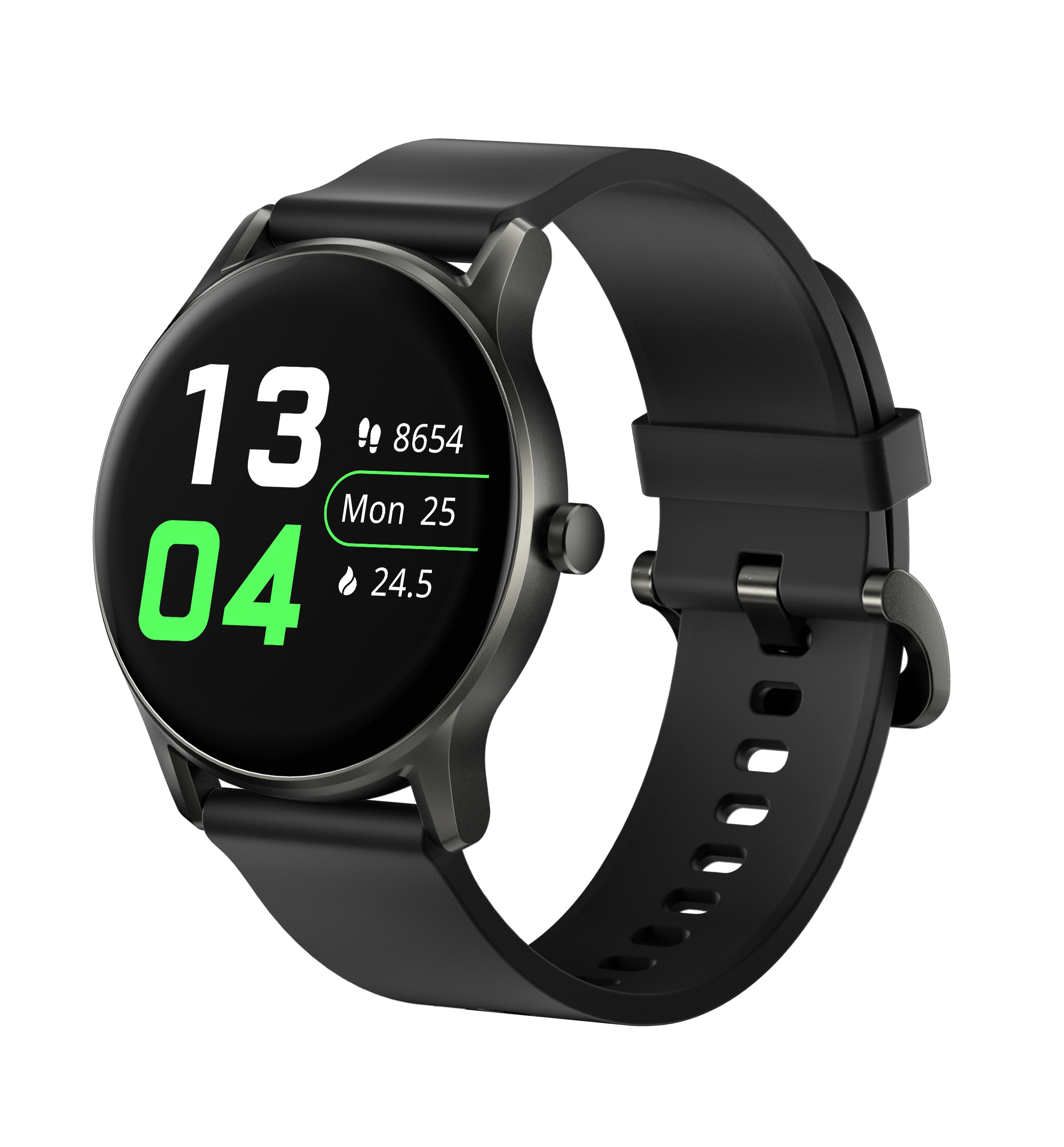
Rotating care teams need consistency—not correlation. A rising heart rate during a bath may indicate pain, anxiety or exertion; only the caregiver knows which. So the wearable’s role is to anchor the human record: a short, structured note tied to time, location (if verified by geofence or beacon), and staff ID. The h3-health-smartwatch supports voice-to-text note entry with on-device speech recognition trained on common care terms (“toileted independently”, “coughed 3x post-meal”). But the watch does not label those phrases—it stores them verbatim, signed, unedited.
Four Non-Negotiables for Audit-Ready Notes
Regulatory scrutiny focuses on traceability, not insight. To pass internal audit or external inspection, every handover note must satisfy four criteria: (1) authenticated authorship, (2) tamper-evident storage, (3) export without loss of metadata, and (4) retention aligned with local care documentation law. WingPhoenix devices meet these through firmware-level signing, local encrypted storage (AES-256), and USB-C export of signed CSV with SHA-256 hashes. This applies across the Health & Wellness line, including the AI wearables line.
Where Access Control Begins—and Ends
Access is defined by role, not device. Staff log in via PIN or NFC badge; notes are tagged to that session. No device grants “admin access” to historical notes without physical USB key authentication and a second factor. This aligns with EN 301 489-17 (radio equipment security) and EU MDR Annex I §17.2 on data integrity. Note export requires manual initiation—no background sync to cloud services unless explicitly configured via OEM/ODM services and tested per revision. The k1-ai-companion-robot follows the same principle: it logs proximity events but never transcribes or interprets conversation.
What This System Cannot Do
This system does not generate handover content from sensor inference. It does not detect falls, recognise distress vocalisations, infer medication non-adherence from movement patterns, or auto-populate fields based on biometric thresholds. No WingPhoenix device claims to monitor, diagnose or intervene. Health metrics remain wellness guidance, never diagnosis. Translation output is reference only. If a supplier presents a “smart handover report” built from heart-rate variability or step count trends, reject it: that report has no evidentiary basis under EN 62368-1 or UKCA framework, and introduces liability where none belongs. The how we build and test page details how each hardware revision undergoes functional validation—not algorithmic interpretation.
Procurement Checklist: From Sample to Shipment
| Requirement | Verified Per Revision? | Document Supplied? | Test Scope Booked? |
|---|---|---|---|
| EN 301 489-17 (security) | Yes, firmware-signed logging | CE RED document checklist | Booked with accredited lab |
| EN 62368-1 (safety) | Yes, for all skin-contact models | CE RED document checklist | Booked with accredited lab |
| EN 1811 (nickel release) | Yes, for rings only | RoHS 3, REACH SVHC screening | Booked per ring build |
| Secure note export (USB/QR) | Yes, firmware-configurable | OQC report, firmware version log | Validated at IPQC gate |
| Firmware update rollback protection | Yes, signed OTA | Firmware release notes | Validated at FQC gate |
| Staff ID binding (PIN/NFC) | Yes, configurable | OEM/ODM specification sheet | Booked per project |
| Audit log immutability | Yes, SHA-256 hashed entries | QC gate report | Validated at OQC gate |
Next Steps for Your Procurement Cycle
Begin with your documented handover workflow—not the device spec. Map each required field (staff ID, time, observed action, deviation flag) to a supported input method on the product catalogue. Then consult the MOQ, sampling and lead times page to align with your deployment schedule. For custom note templates or integration with existing care software, send us the specification. We will confirm firmware feasibility, certification scope and lead time before quoting—no assumptions, no auto-filled reports.
Questions buyers ask
What should a wearable capture—not display—to make shift handover reliable?
It must record timestamped, human-readable notes tied to observed routine deviations (e.g., “refused morning meds”, “sat upright 12 min at lunch”), not raw biometric streams. Raw sensor data alone cannot replace contextual observation.
How do we verify this data is legally defensible in an audit?
Each note must carry immutable metadata: user ID, device ID, ISO 8601 timestamp, and a cryptographic hash of the note text—verified against firmware-signed logs stored locally and exported via secure USB or QR-authenticated cloud sync.
Our last sample logged heart rate but no staff ID—can we still use it for handover?
No. Without authenticated staff identity and intentional note entry (not auto-triggered), the record has no chain of custody. Devices like the <a href="https://wingphoenixai.com/products/health-wellness/r1-ai-health-ring/">r1-ai-health-ring</a> and <a href="https://wingphoenixai.com/products/health-wellness/r2-smart-ring/">r2-smart-ring</a> support PIN-locked note mode but require firmware configuration per facility policy.
What is the one claim most suppliers dodge—and why it matters?
That the device *generates* handover content. It does not. A caregiver handover wearable data system must be intentionally authored—not inferred. No WingPhoenix device interprets behaviour, assigns intent, or auto-fills notes. That remains a human responsibility, auditable as such.
Related: more on ai health monitoring · buyer guides · customisation tiers