AI Glasses Compliance EU: Two Files, Two Regulators
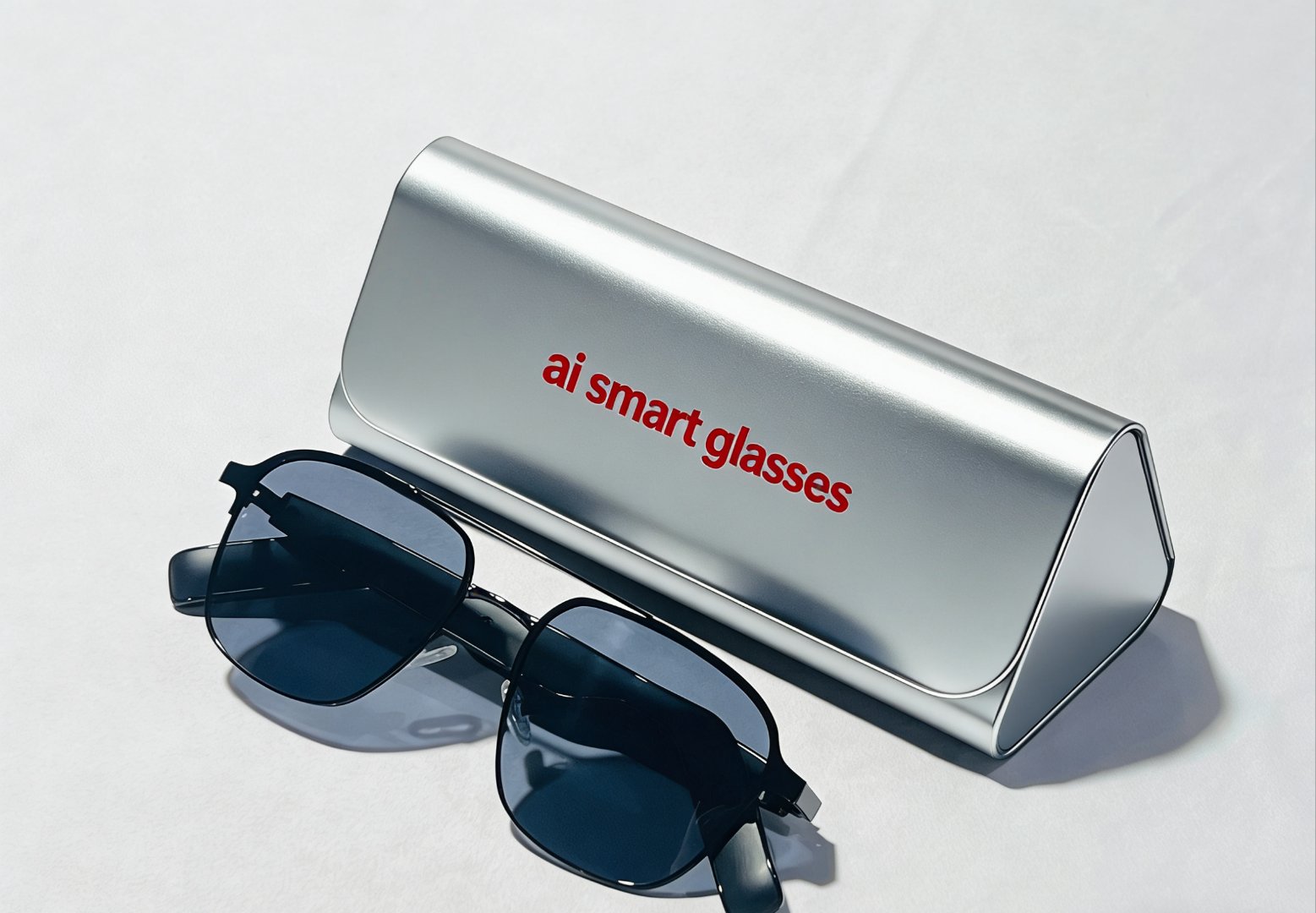
AI glasses sit at a regulatory intersection: they are both optical devices worn on the face and wireless electronic products transmitting data. Buyers often assume a single CE marking file covers all functions. In practice, the lens and frame must meet optical and skin-contact safety standards independently of the radio module’s emissions and immunity performance. This separation is not optional — it reflects how EU market surveillance authorities inspect documentation and how notified bodies assess conformity. Failure to maintain two clean, traceable test records per hardware revision can delay customs clearance or trigger post-market audit findings.
Lens File: Optical Safety and Skin Contact
The lens file addresses optical performance, material biocompatibility and mechanical stability. For AI glasses, this includes EN ISO 12870 for ophthalmic frames and EN 1811 for nickel release from metal components contacting skin. These tests apply regardless of whether the device has a camera or display. The lens file is built around physical construction: hinge strength, temple retention, lens retention under impact, and migration of restricted substances from contact surfaces. It does not include battery safety or RF exposure — those belong exclusively to the electronics file. WingPhoenix books this scope per hardware revision with an accredited laboratory, and supplies the full test summary with each order batch.
Electronics File: Radio, EMC and Power Safety
The electronics file covers radio emissions, electromagnetic compatibility and electrical safety. For AI glasses sold in the EU, this means CE RED compliance to EN 300 328 (wideband transmission), EN 301 489 (EMC), and EN 62368-1 (audio/video, ICT and power safety). Battery compliance is also part of this file: UN38.3 test summary and SDS accompany every shipment, with watt-hour rating printed on each unit. This file is entirely decoupled from lens geometry or refractive index — even if the same model ships with prescription inserts, the electronics test remains unchanged. You can review the full checklist for CE RED documentation here.
Where Buyers Mix Up the Files
Common errors include requesting a single test report that combines lens drop testing with SAR measurements, or assuming EN 62368-1 covers nickel release. Another frequent misstep is applying toy safety (EN 71) to adult-targeted AI glasses without verifying age grading on packaging — which determines whether toy scope applies at all. WingPhoenix does not bundle these scopes: each is booked, executed and documented separately. This discipline avoids rework during importer due diligence and supports consistent OQC gate checks at factory level as described in our factory process.
What Changes Between Hardware Revisions
A new lens curvature, frame alloy or hinge mechanism triggers a fresh lens file. A revised Bluetooth module, antenna layout or power management IC requires a new electronics file. Firmware updates alone do not reset either file — unless they alter radio output parameters or thermal dissipation beyond original test limits. All documentation is supplied per model and hardware revision, not per software version. You can explore current models across the AI Glasses line, including the Vox One AI Glasses, and compare customisation options in our OEM/ODM tiers.
| Requirement | Lens File Scope | Electronics File Scope |
|---|---|---|
| Primary Standard | EN ISO 12870, EN 1811 | EN 300 328, EN 301 489, EN 62368-1 |
| Test Lab Accreditation | Mandatory (ISO/IEC 17025) | Mandatory (ISO/IEC 17025) |
| Battery Documentation | Not included | UN38.3 + SDS, Wh rating printed on unit |
| Skin-Contact Claim | EN 1811 nickel release required | Not applicable |
| Radio Module Change | No impact | Triggers full retest |
| Frame Alloy Change | Triggers retest | No impact |
| Firmware Update | No impact | No impact unless RF/thermal behaviour changes |
- Verify age grading on packaging before booking toy scope — it drives EN 71 and EN 62115 applicability
- Confirm lens material and frame alloy match the version tested — no substitutions without retesting
- Require separate test summaries for lens safety and radio compliance, not merged reports
- Check that UN38.3 and SDS accompany every battery shipment, with Wh rating legible on each unit
- Use the buyer resources section for updated policy documents and scope templates
Compliance is not a one-time box to tick but a maintained chain of evidence tied to hardware revisions. When sourcing AI glasses for the EU, insist on two clean, dated, lab-issued test summaries — one for optics and skin contact, one for radio and power. WingPhoenix supplies both per revision, with full documentation included in the shipment. To begin the process, send us the specification for your target model and distribution channel — we will confirm which scopes apply and outline the test booking timeline.
Questions buyers ask
Why can’t one test report cover both the lenses and the electronics in AI glasses?
Lenses fall under personal protective equipment or general product safety rules, while radios require separate RED certification. Mixing them risks non-acceptance by EU notified bodies.
Does WingPhoenix pre-test both files before shipment?
Each hardware revision books two distinct test scopes with accredited laboratories: one for EN 1811/EN ISO 12870 lens and frame safety, another for CE RED (EN 300 328, EN 301 489, EN 62368-1).
Related: more on ai glasses & optics · buyer guides · customisation tiers