Wellness Smartwatch Claims: Where Marketing Ends and Regulation Begins
Wellness Guidance Is Not Medical Function
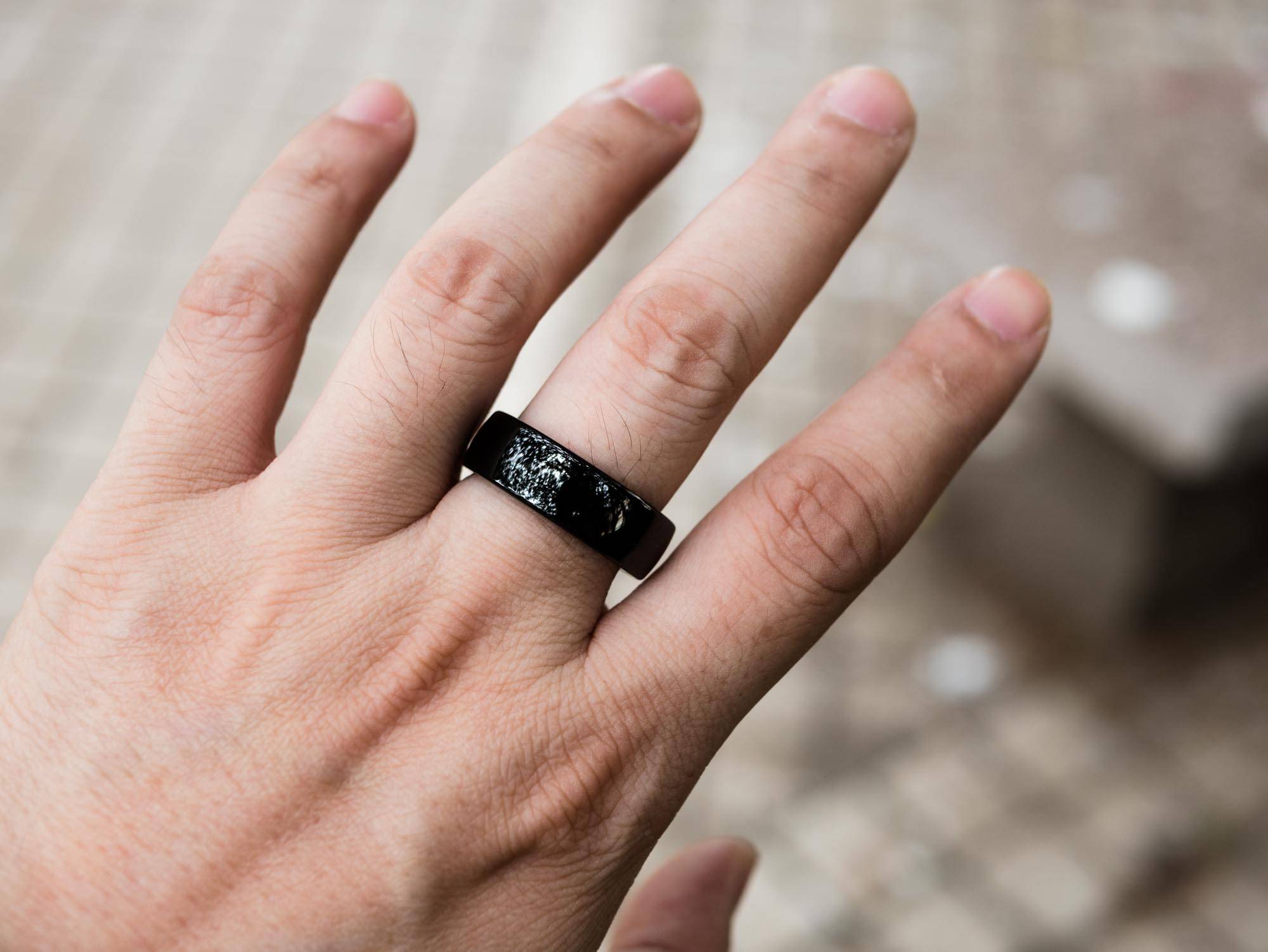
A wellness smartwatch may display heart rate variability, skin temperature trends or sleep-stage estimates — but only as non-diagnostic, user-directed guidance. This distinction is defined not by what the hardware measures, but by how the output is framed in packaging, app interface and marketing materials. The health smartwatch line, like the health ring and smart ring with charging case, operates within this boundary. All health metrics are documented as wellness guidance in factory policy — never diagnosis, monitoring or intervention. Translation output remains reference-only, and companion robots such as the K1 AI companion robot carry no fall-detection or emergency-response logic.
The Regulatory Line Is Drawn in Wording, Not Wiring
No sensor configuration changes the legal status — only the claim does. A photoplethysmography (PPG) module used to show “resting heart rate trend over seven days” stays in the wellness category. The same module used to state “identifies irregular rhythm patterns associated with atrial fibrillation” triggers MDR classification as a Class IIa medical device. That shift demands clinical evaluation, post-market surveillance and a notified body review — none of which apply to WingPhoenix’s Health & Wellness line. The CE RED document checklist reflects this: it covers radio, EMC and safety standards (EN 300 328, EN 301 489, EN 62368-1), not clinical performance.
What This Process Cannot Do
This process cannot produce a CE-marked medical device. No WingPhoenix wellness smartwatch is designed, tested or documented for conformity with Regulation (EU) 2017/745 (MDR) or Directive 93/42/EEC. There is no clinical evaluation report, no technical file reviewed by a notified body, and no claim submitted for classification under Annex VIII. Importers must reject any supplier who states otherwise — especially if that claim appears on packaging, app store listings or sales collateral. The factory policy explicitly prohibits blood-pressure, glucose, sleep-apnoea or fall-detection claims across all wearables, including rings and watches.
Documentation Scope Is Tied to Hardware Revision
CE RED, FCC and UKCA documentation applies only to the specific hardware revision tested — not to a model family or firmware version. A change in Bluetooth chipset, antenna placement, battery chemistry or even PCB layer count requires retesting. This is why sampling lead times vary: configured samples take 7–15 days to ensure alignment with the revision under test, and production timelines assume no mid-run revisions. Details on timing and minimum order quantities are set out in the MOQ, sampling and lead times guide. Firmware or app white-label services require 2,000 units — and the resulting documentation package is valid only for that firmware build and hardware revision.
Compliance Is Verified Per Build, Not Per Claim
Every unit shipped carries documentation aligned to its physical build: RoHS 3 and REACH SVHC screening reports, UN38.3 + SDS for batteries, EN 1811 nickel release data for skin-contact items, and CE RED test summaries. These are supplied per model and hardware revision — not per marketing campaign. For example, a smart ring sized 6–13 meets EN 1811 for the contact surface, but no ring carries a camera or physiological monitoring claim. Likewise, power banks ship with UN38.3 and watt-hour rating printed on each unit — no capacity figure is published until the datasheet exists for that revision. Full traceability is described in how we build and test.
Procurement Checklist: What to Verify Before Launch
| Check | Why It Matters | Where to Confirm |
|---|---|---|
| Claim wording matches wellness guidance only | Prevents MDR reclassification and avoids unauthorised clinical language | Health & Wellness line |
| Hardware revision matches test report revision | EMC or radio failures may stem from undocumented layout changes | CE RED document checklist |
| Battery carries UN38.3 summary and SDS | Mandatory for air/sea freight and customs clearance | Factory documentation pack |
| Skin-contact items meet EN 1811 | Required for CE marking of wearable devices contacting skin | health ring and smart ring with charging case |
| Firmware white-label MOQ met (2,000 units) | Ensures documentation validity for that build | MOQ, sampling and lead times |
| No medical claims appear in app store listing | Platform stores enforce MDR compliance independently | App metadata review before submission |
| Importer holds EORI/VAT and fulfils WEEE/BattG obligations | Legal responsibility rests with importer, not manufacturer | Import agreement terms |
WingPhoenix does not offer medical device development, clinical validation or MDR certification pathways. If your brand requires a CE-marked medical device, engage a notified body directly and commission hardware built to Annex I essential requirements — not wellness-grade specifications. For procurement aligned to current wellness smartwatch claims, review the OEM/ODM services page, confirm hardware revision against the product catalogue
Questions buyers ask
What wording turns a wellness smartwatch into a medical device under EU or UK law?
Claims that suggest diagnosis, prevention, monitoring, treatment or alleviation of disease or injury do so — regardless of sensor capability. A pulse oximeter reading is wellness guidance; “detects early signs of hypoxia” is not.
What does finance need to know before approving a launch timeline?
That CE RED testing scope must be booked per hardware revision, not per model name, and that firmware or app white-label requires 2,000 units MOQ — with full documentation tied to that revision’s test report.
What should a distributor do if a sample fails EMC during their own lab test?
Verify whether the failure occurred on the exact same hardware revision covered by the CE RED test report — deviations in antenna layout, battery sourcing or PCB stack-up invalidate the original scope.
What claim do most suppliers avoid naming outright?
That no existing WingPhoenix wellness smartwatch carries a clinical validation report, nor is any such report planned for submission to notified bodies under MDR or IVDR — because none are intended as medical devices.
Related: more on ai health monitoring · buyer guides · customisation tiers