Wearable Data Limits in Health Monitoring
Absence Is Not Evidence
A wearable records presence: pulse, motion, ambient light, skin contact. It does not record absence: no breath, no voice, no response to stimulus, no change in posture over time. Silence is indistinguishable from rest, stillness from unconsciousness, disconnection from power loss. This is not a flaw in sensor design — it is a structural limit of passive telemetry. For example, the H3 health smartwatch logs heart rate variability across sleep cycles but carries no microphone, no speaker, no proximity alert, and no claim to detect non-responsiveness. Its output remains descriptive, never diagnostic — consistent with our published factory policy on Health & Wellness line devices.Context Cannot Be Inferred From Biometrics Alone
Heart rate elevation may follow exertion, anxiety, fever or medication side effects. Skin temperature shifts with room climate, bedding material or recent shower use. Rest duration correlates poorly with restorative sleep without polysomnographic validation. None of our wearables — whether the AI wearables line, the R1 AI health ring or the R2 smart ring — fuse environmental, behavioural or verbal data streams. They do not log room temperature, door opening, voice tone or calendar entries. Without those inputs, inference remains speculative. Procurement must treat biometric trends as prompts for human review — not triggers for autonomous action.False Assurance Begins Where Certification Ends
Regulatory scope defines what a device *does not* do. Our CE RED certification for smartwatches covers EN 300 328 (radio), EN 301 489 (EMC) and EN 62368-1 (safety) — not clinical validity. UKCA, FCC Part 15 B/C and RoHS 3 apply to emissions and materials, not outcome reliability. No test report certifies that a wearable’s “low activity” alert means danger — only that the alert function operates electrically within tolerance. That distinction matters when importers sign WEEE, BattG or DEEE/Triman declarations: liability rests with how the device is positioned, not just how it is built. Review the CE RED document checklist to confirm alignment between claimed function and tested scope.What This Product Cannot Do
WingPhoenix wearables do not generate escalation signals. They do not initiate calls, send alerts to third parties, activate sirens, unlock doors or notify caregivers. They do not integrate with emergency response infrastructure. They do not store or transmit health data to cloud platforms without explicit user consent and local app configuration. No firmware revision — including white-label builds under OEM/ODM services — adds autonomous escalation capability. This is a deliberate engineering boundary. Importers should reject any supplier claim suggesting otherwise — especially if unsupported by a test report naming the escalation pathway, latency, failover mechanism and fallback state.Pairing With Purpose
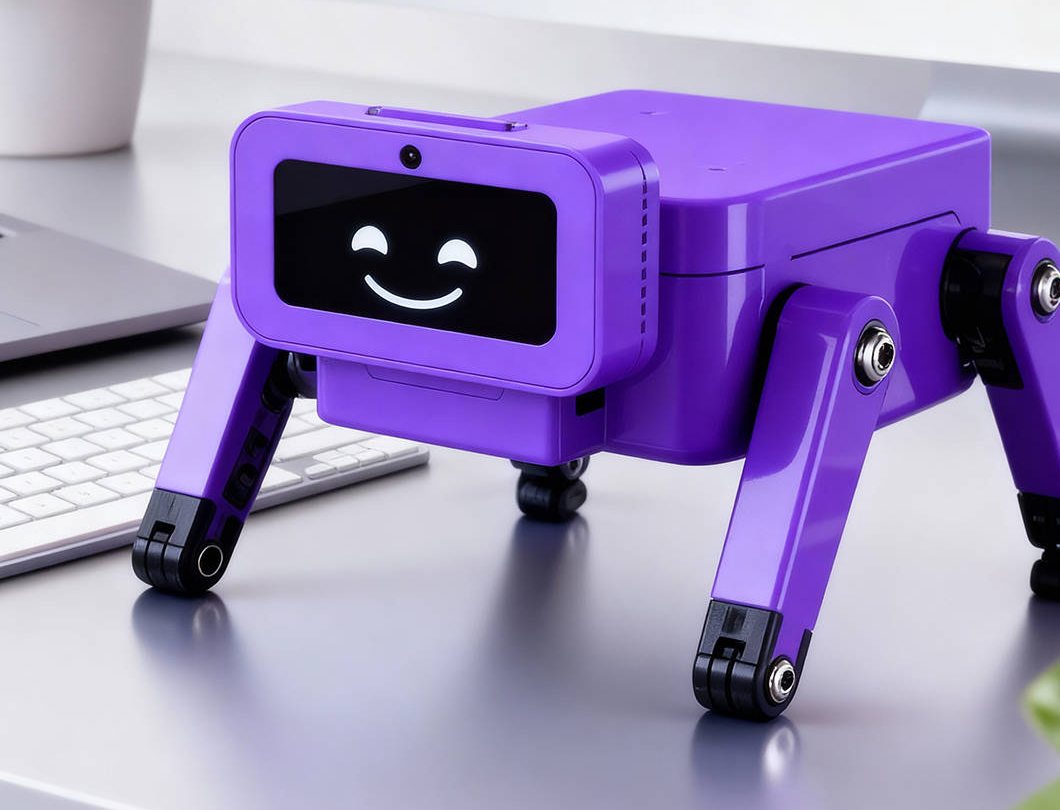
To close the gap between data and action, wearables require intentional pairing:- A companion robot like the K1 AI companion robot, configured for scheduled check-ins and voice-based confirmation — not passive monitoring;
- A facility management system that logs door access, lighting and HVAC events alongside wearable timestamps;
- A caregiver protocol requiring manual verification after two consecutive “low activity” readings;
- A secure messaging layer that routes wellness summaries — not raw data — to authorised personnel via encrypted channels.
Procurement Checklist: Standards, Decisions, Policy
| Decision Point | Published Policy Reference | Action Required |
|---|---|---|
| Age grading for toy compliance | EN 71-1/-2/-3, EN 62115, Toy Safety Directive 2009/48/EC | Confirm age grade printed on packaging; lab booking triggered per build |
| Nickel release for skin contact | EN 1811 | Applies to rings only; verified per production run, not per size kit |
| Battery documentation | UN38.3 + SDS, watt-hour rating printed on unit | Required for every battery order — no exception for samples |
| Firmware white-label MOQ | OEM/ODM minimums | 2,000 units — not negotiable for custom logic or branding |
| Escalation capability | Factory policy: none stated | Importer must define, test and own the escalation path — no device-level certification exists |
| Sample lead time | MOQ, sampling and lead times | Stock samples ship in 3–5 days; configured units take 7–15 days |
| Warranty coverage | 12 months + 2 % free replacement parts | Parts shipped with order — not on demand — and only for covered defects |
Questions buyers ask
What can a wearable truly know about a person’s health status?
It can record patterns of movement, skin temperature, heart rate variability and rest duration. It cannot interpret silence, distinguish absence from safety, or confirm intent, consciousness or environmental risk.
What does finance need to know before approving a bulk order of wellness wearables?
That warranty covers 12 months with 2 % free replacement parts, and that all CE RED, FCC, UKCA, RoHS 3 and REACH documentation is tied to hardware revision — not model name — and booked per production run with an accredited lab.
A distributor reports a smart ring failed during a fall-detection demo. What should they check first?
Whether the device was marketed as a fall monitor at all — none of our <a href="https://wingphoenixai.com/products/health-wellness/r1-ai-health-ring/">health smart rings</a> or <a href="https://wingphoenixai.com/products/health-wellness/r2-smart-ring/">smart rings with charging case</a> carry fall detection, blood pressure, glucose or sleep apnoea claims.
The one question most suppliers dodge?
What report confirms the device’s inability to escalate — and where that gap sits in your duty of care? No current WingPhoenix wearable generates an automatic escalation signal. Escalation requires pairing with a separate system, policy or human protocol — and no test report exists to certify that link.
Related: more on ai health monitoring · buyer guides · customisation tiers