Sports Watch Wholesale: What a Running Customer Checks in Ninety Seconds
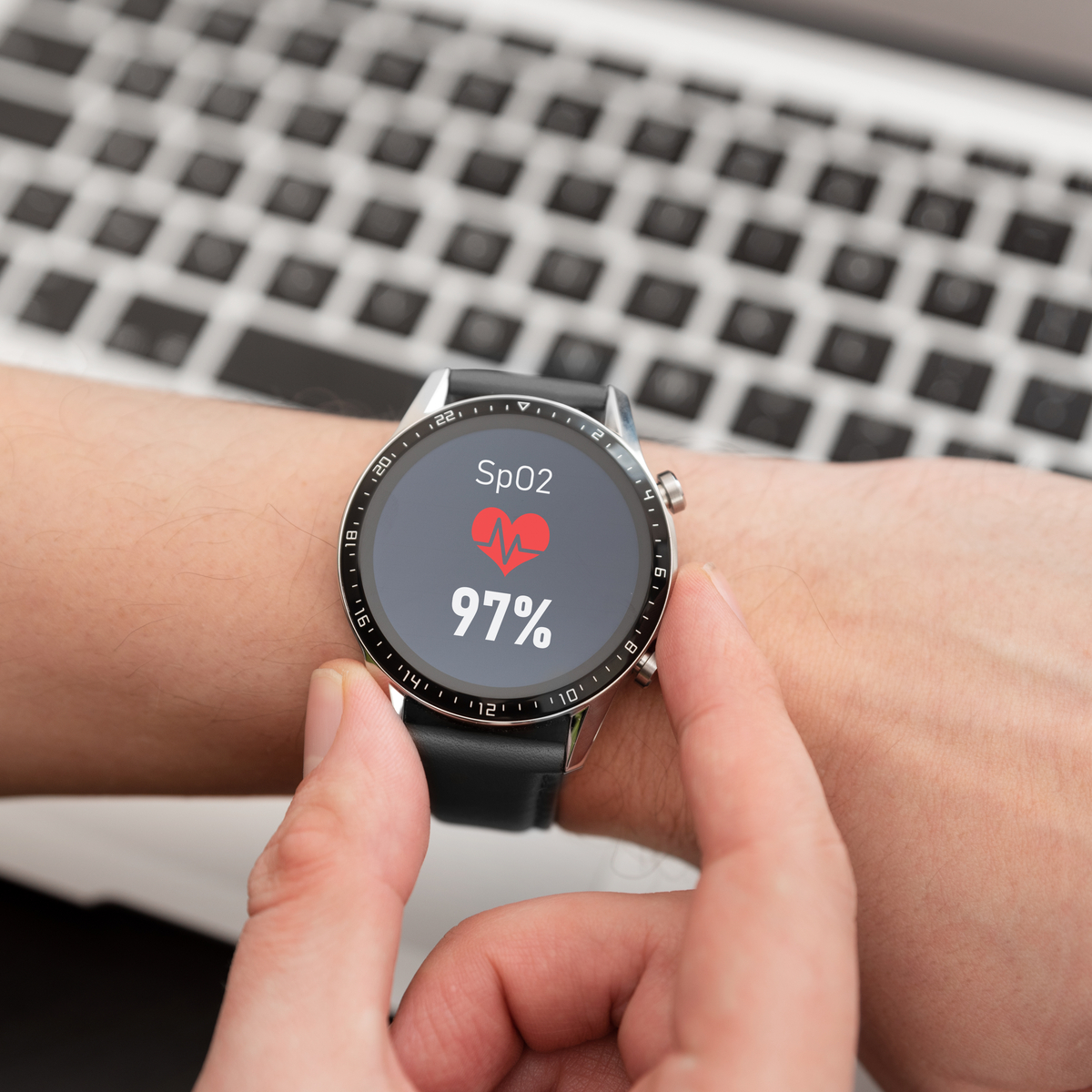
A running customer does not read a spec sheet on the shop floor. They pick the watch up, strap it on, walk to the door and start an activity. Within ninety seconds they have formed an opinion about the GPS fix, the strap and the screen in daylight. Sports watch wholesale is therefore a different sourcing exercise from health watch wholesale, even when the two sit on the same page of your catalogue. The buyer's test is behavioural, and your supplier's documentation has to survive it.
GPS modes are a configuration decision, not a feature tick
Satellite modes change power draw, fix behaviour and the user manual. A watch that offers a single mode is simpler to certify and simpler to support; a watch that offers several modes needs each one named in the firmware release notes and tested on the build you ship. Ask which modes are enabled on the revision being quoted and whether the mode list is fixed at the factory or configurable per order. If it is configurable, that becomes an ODM conversation with its own lead time. You can see how we separate the sport platforms from the wellness platforms on Fitness & Sports line, and the specific platform in GPS sport watch.
The strap ecosystem decides returns
Most sport watch returns are not electronic. They are fit complaints: a strap that chafes, a buckle that slips, a lug that will not accept the aftermarket band the customer already owns. Before you commit, confirm the lug width, the spring bar type and whether the strap is a standard interface or a proprietary one. A proprietary strap is defensible if you also stock replacements; it is a liability if you do not. Skin-contact items also carry a nickel release question, so ask which parts touch the skin and how that is documented. Our wider wearables range, including the AI wearables line, uses several strap interfaces, and the differences matter more at wholesale than in a single-unit sale.
Battery claims: write the mode, or do not write the number
A battery figure without a stated mode is not a specification. It is a hope. The honest form is a duration at a named mode, with the display and satellite settings that produced it, printed in the datasheet for the revision you are buying. If a supplier quotes a number and cannot say which mode produced it, you have no basis for a packaging claim in Germany or the UK, where a misleading endurance figure is a consumer law problem rather than a marketing one. Our own policy is to publish no capacity or endurance figure before a datasheet exists for the revision being quoted. Where a battery is part of the shipment, the UN38.3 test summary and SDS travel with the order.
| Checkpoint | What to ask | Why it decides the order |
|---|---|---|
| GPS modes | Which modes are enabled on this hardware revision, and are they fixed or configurable | Affects power draw, manual, support and certification scope |
| Strap interface | Lug width, spring bar type, standard or proprietary | Drives fit returns and whether you must stock spares |
| Battery claim | Duration at a named mode, with display and satellite settings stated | An unqualified number becomes a packaging liability |
| Skin contact | Which parts touch the skin, and how nickel release is documented | Relevant to EU and UK market access |
| Radio documents | CE RED test scope per hardware revision, FCC Part 15 B/C, UKCA on request | Documents follow the revision, not the model name |
| Importer duties | WEEE, BattG, DEEE/Triman registration in your name | These sit with the importer, not the factory |
Documents follow the revision, not the model name
This is the point where sport watch buyers most often get caught. A supplier sends a CE RED file with a familiar model name on it, and the file belongs to an earlier hardware revision. Radio test scope is booked per revision with an accredited laboratory, so the paperwork has to match the board you are importing. Ask for the scope list covering EN 300 328, EN 301 489 and EN 62368-1, plus FCC Part 15 B/C, RoHS 3 and REACH SVHC screening, and check the revision identifier against the sample in your hand. Our CE RED document checklist sets out what a complete file looks like, and how we build and test describes the QC gates: IQC, IPQC, FQC and OQC at AQL 2.5 major and 4.0 minor.
Where an importer should say no
Say no when the supplier will not name the GPS modes on the quoted revision. Say no when the battery figure has no stated mode. Say no when the strap is proprietary and no replacement is offered. Say no when the radio file cannot be tied to a revision identifier. Say no when the supplier offers to register WEEE or battery obligations on your behalf, because those duties sit with the importer. And say no when a sport watch is offered with wellness claims borrowed from a health device: health smartwatch metrics are wellness guidance and never diagnosis, and a running watch should not be sold on clinical language. If you want a ring or a second wearable in the same range, keep the two conversations separate; the Health & Wellness line and the sport line answer to different buyers.
Planning the order
Standard minimum order quantity is 500 units, logo at 500, custom packaging at 1,000 and firmware or app white-label at 2,000. Stock samples ship in 3-5 days and configured samples in 7-15 days, with sample cost credited against mass production. Production runs 25-35 days, and ODM tooling takes 12-20 weeks. Terms are EXW, FOB Shenzhen or DDP by air or sea, with a 12-month warranty and 2 % free replacement parts shipped with the order. The full table sits in MOQ, sampling and lead times, and custom work is scoped through OEM/ODM services.
Before you request a quote, write down the three things your running customer will test at the counter: the fix, the strap and the battery claim. Send that list to the supplier and ask for the revision-specific documents behind each one. If the reply names the modes, the lug width and the mode behind the endurance figure, you have a supplier worth sampling. Start there, and treat the sample as the first QC gate rather than the last.
Questions buyers ask
How is a sport watch different from a health watch in a wholesale range?
The counter conversation is different. A health watch buyer asks which wellness metrics are shown and how they are worded; a sport watch buyer straps it on, starts a GPS activity and checks how long the fix takes, whether the strap holds on a wrist in motion and whether the battery claim survives a long session.
What should an importer ask before quoting a GPS sport watch to a running shop?
Ask for the satellite modes on the revision being quoted, the strap interface and whether the battery figure is stated at a defined mode. If the supplier cannot print the test scope and the mode behind the number, treat the claim as marketing and hold the order.
Related: more on ai wearables · buyer guides · customisation tiers