Smart Watch Sizing Without Returns
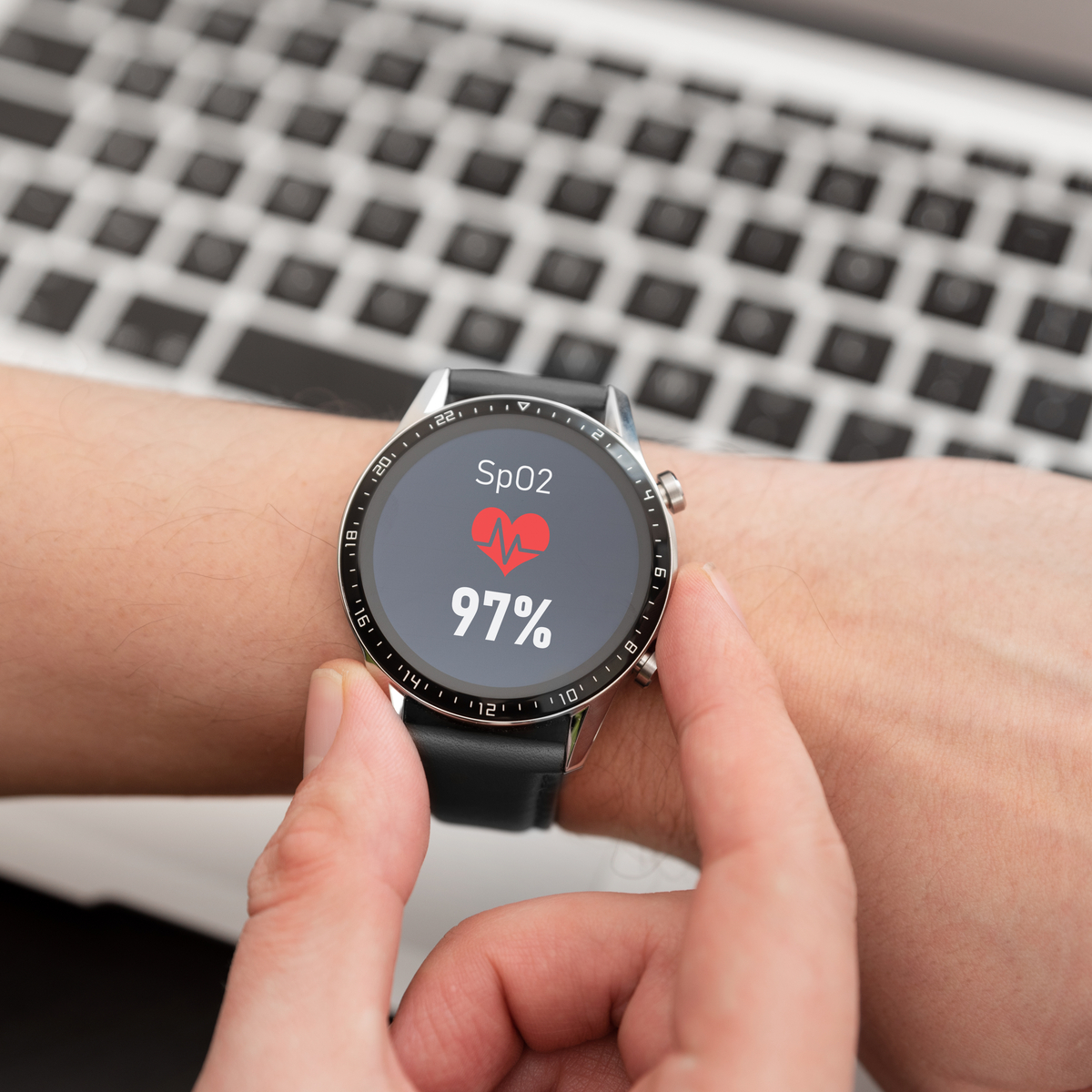
Fit uncertainty remains one of the most avoidable drivers of returns for smart watches sold through distributors and brand owners. Unlike static devices, wearables require dimensional compatibility across three interdependent points: the case’s lug width, the band’s adjustable length range, and the end user’s wrist circumference. When these are not published together — and verified against physical samples — procurement teams absorb downstream friction from customer service, logistics and inventory write-offs. WingPhoenix publishes sizing parameters at the model level, aligned to factory test scope and documented compliance pathways.
Lug Width and Band Attachment Consistency
Lug width determines band compatibility across aftermarket and OEM channels. A 20 mm lug accepts a broad ecosystem of bands, while 18 mm or 22 mm variants narrow options significantly. WingPhoenix lists lug width per model in the product catalogue, measured at the innermost attachment point where the band interfaces with the case. This measurement is stable across production runs and verified during FQC. It does not include decorative bezel overhang or chamfered edges, which can mislead visual estimation. For custom ODM builds, lug width is fixed at design sign-off and reflected in the OEM/ODM services agreement.
Band Length Ranges: Minimum to Maximum Wearable Circumference
Published band length must reflect usable adjustment — not just total strap length. A 120–160 mm band may only deliver 135–155 mm of secure closure due to buckle depth and keeper clearance. WingPhoenix specifies minimum and maximum wearable wrist circumference per model, derived from physical band testing on calibrated mandrels. These figures appear on product pages such as the health smartwatch and GPS sport watch, and are updated with each hardware revision. They are not estimated from nominal strap length alone.
Wrist Size Listing and Age-Graded Fit
Wrist size is not a single metric — it is a bracketed range tied to intended use and demographic. The smart health ring and smart ring with charging case list finger size charts (ISO 8270) rather than wrist circumference. For children’s models, fit follows the age grading printed on packaging, which defines the toy safety scope — including EN 71-1/-2/-3 and EN 62115 — booked per build with an accredited lab. Adult smart watches assume a wrist circumference between 135 mm and 210 mm unless otherwise stated.
Compliance Alignment and Documentation Scope
Sizing data is part of the broader compliance framework. Each hardware revision carries its own CE RED test summary (covering EN 300 328, EN 301 489, EN 62368-1), FCC Part 15 B/C, RoHS 3 and REACH SVHC screening. Battery UN38.3 + SDS is included with every order, and nickel release (EN 1811) is tested for skin-contact items. These documents are referenced in the CE RED document checklist, and are available before sampling. The how we build and test page details IQC/IPQC/FQC/OQC gates at AQL 2.5 major and 4.0 minor — including dimensional checks on lug spacing and band anchor integrity.
| Parameter | Published Per Model? | Tested Per Hardware Revision? | Linked to Compliance Scope? |
|---|---|---|---|
| Lug width (mm) | Yes | Yes, FQC | No — mechanical, not regulatory |
| Min/max wearable wrist circumference (mm) | Yes | Yes, physical band testing | No — but informs EN 1811 test sample selection |
| Battery UN38.3 + SDS | No — supplied with order | Yes — per battery revision | Yes — mandatory for air freight |
| CE RED (EN 300 328 etc.) | No — listed in compliance section | Yes — per RF configuration | Yes — full scope per revision |
| Age grading (for toy models) | Yes — on packaging artwork | Yes — triggers EN 71 test booking | Yes — defines toy safety scope |
| MOQ and sampling lead time | No — central policy | N/A | No — commercial, not compliance |
When evaluating a supplier, verify that band length, lug width and wrist circumference are published together — not scattered across datasheets, marketing copy or engineering notes. Cross-check whether those figures are tied to physical sample validation and updated per hardware revision. If not, request a pre-production sample using the MOQ, sampling and lead times schedule, and confirm that the Health & Wellness line and Fitness & Sports line meet your regional importer obligations for WEEE, BattG and EORI/VAT registration.
Questions buyers ask
Why do inconsistent band lengths cause higher return rates for smart watches?
Buyers receive mismatched bands when published length ranges don’t align with actual wearable geometry or wrist circumference brackets. That misalignment forces end users to source third-party bands or return units outright.
Can WingPhoenix supply standardised sizing documentation before order placement?
Yes — all models in the <a href="https://wingphoenixai.com/products/ai-wearables/">AI wearables line</a> publish lug width, minimum/maximum band length and compatible wrist circumference per hardware revision, alongside CE RED, FCC and UKCA test scopes booked per build.
Related: more on ai wearables · buyer guides · customisation tiers