Smart Glasses Warranty Repair: What a Repair Network Can Handle
Why Standard RMA Fails for AI Glasses
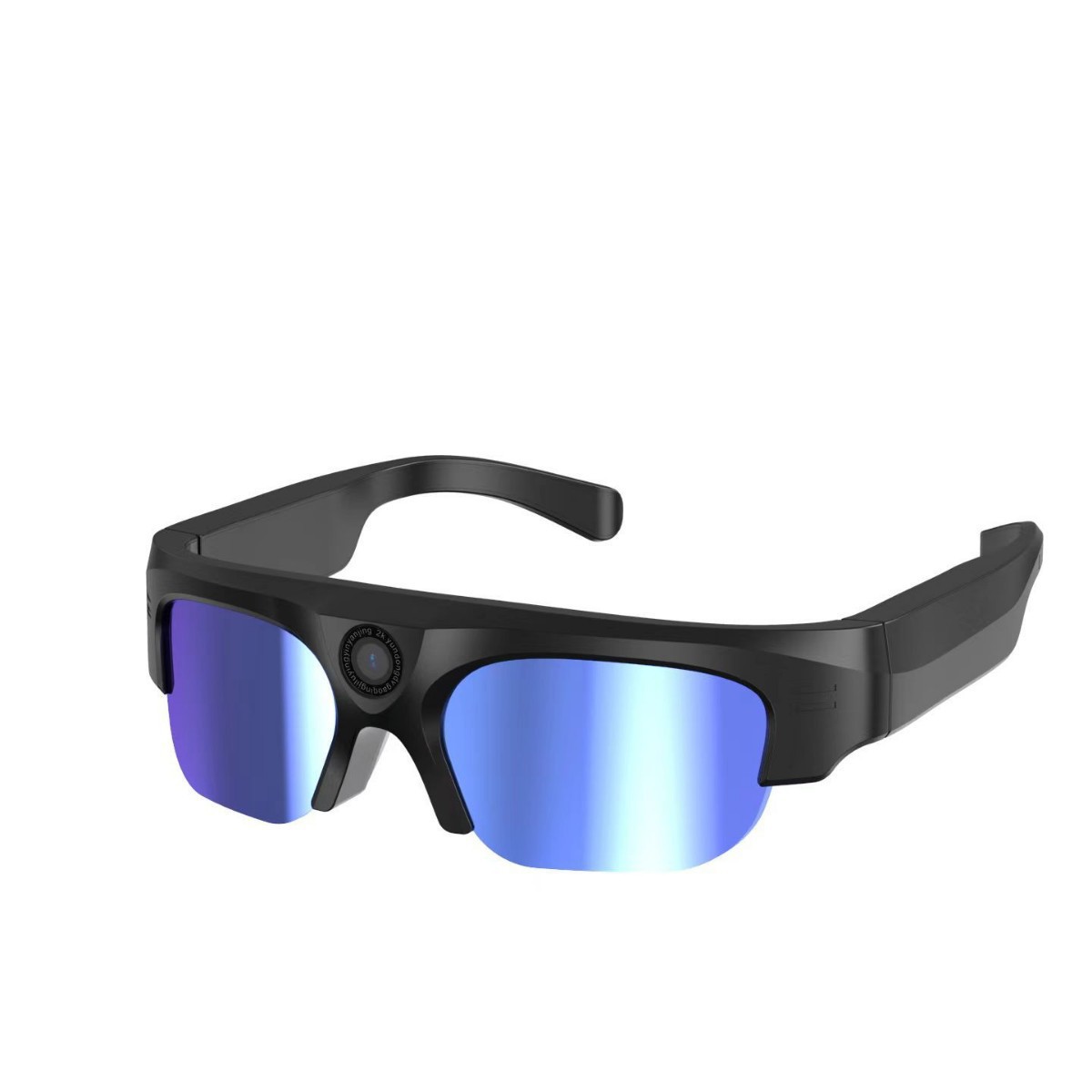
Standard return-materials-authorisation (RMA) workflows assume modular disassembly, widely available test fixtures and interchangeable parts. AI glasses violate all three assumptions. The Vox One AI glasses, for example, integrate battery cells into temple arms using laser-welded housings; hinge mechanisms combine torsion springs, micro-switches and flex-circuit routing in a 3.2 mm cross-section. There is no field-replaceable battery module. Similarly, the Vox Ride cycling camera glasses embed a 6-axis IMU and thermal sensor directly into the frame near the hinge pivot — recalibration after reassembly requires optical alignment jigs not found in general electronics repair centres. A distributor expecting smartphone-style turnaround will face delays, partial repairs or misdiagnosed failures unless the repair scope is defined upfront.
Hinge Wear Is Not Cosmetic — It’s Functional Degradation
Hinges on AI glasses carry electrical signals, power and mechanical load simultaneously. Repeated opening/closing introduces micro-fractures in flex circuits and creep in polymer bushings. After ~5,000 cycles — typical for daily professional use — torque consistency drops below specification, affecting both fit and sensor stability. Replacement hinges are not off-the-shelf items: each revision carries unique pin pitch, spring rate and contact resistance values. WingPhoenix stocks hinge assemblies only for hardware revisions with active production runs. If your order references a discontinued revision, hinge spares must be pre-booked during final build planning. This is why hinge serviceability must be confirmed at the OEM/ODM services stage, not during warranty claim processing.
Lens and Waveguide Service Requires Optical Validation
Waveguide-based lenses — used in both the AI Glasses line and the Vox Ride model — are bonded to frames using UV-curable adhesives with tight refractive-index tolerances. Removal risks micro-scratches, adhesive residue or substrate warping. Refitting demands sub-micron positional accuracy across six degrees of freedom. No third-party lab currently offers certified waveguide realignment for consumer-grade AI glasses. Therefore, lens replacement is a full-frame swap, not a component-level fix. This is why the factory ships 2 % free replacement parts with every order: those parts include pre-calibrated frames, not bare lenses. Any attempt to source generic replacements voids CE RED and EN 62368-1 compliance.
What Your Repair Agreement Must Specify Upfront
Avoid ambiguity by defining these five points before the first PO:
- Which hardware revision(s) are covered — including firmware version and PCB lot code
- Whether hinge or lens replacement triggers full recalibration (it does)
- Whether spare units are held in regional stock or shipped on-demand from Shenzhen
- How firmware lock-in is handled: devices cannot be reflashed with non-certified builds without invalidating FCC Part 15 and UKCA approvals
- Whether battery replacement includes UN38.3 retesting — it does, per revision
Repair Limitations: Where to Say No to a Supplier Claim
Do not accept any supplier statement that “hinge recalibration is software-only” or “lens alignment can be done in-store with a smartphone app”. Neither is technically possible. Hinge torque and switch timing require torque analyser rigs and oscilloscope validation. Lens alignment requires interferometric measurement and collimated light sources traceable to national standards. WingPhoenix does not issue calibration certificates for field repairs — only for factory-refurbished units tested at our how we build and test facility. If a supplier promises on-site hinge repair or lens tuning without quoting a certified lab report, decline the offer. That claim contradicts the published test scope for CE RED and EN 62368-1, which requires full-system revalidation after any structural modification.
Turnaround and Spare Unit Planning Table
| Item | Factory Standard | Requires Pre-Agreement? | Compliance Impact if Changed |
|---|---|---|---|
| Warranty period | 12 months from delivery | No | None — duration is fixed per contract |
| Free spare parts | 2 % of order quantity, shipped with goods | No | None — part numbers match certified revision |
| Hinge replacement | Only for active hardware revisions | Yes — confirm at order entry | CE RED invalid if replaced with non-certified hinge |
| Lens/waveguide swap | Frame-level replacement only | Yes — define spare unit allocation | EN 62368-1 retest required for new frame batch |
| Firmware update post-repair | Only certified builds permitted | Yes — list approved versions in agreement | FCC Part 15 void if unauthorised firmware loaded |
| Battery replacement | UN38.3 + SDS supplied per revision | Yes — battery model must match original | UN38.3 invalid if cell chemistry differs |
| Spare unit lead time | 25–35 days (same as production) | Yes — reserve stock before forecast window closes | None — spare units carry same certifications |
AI glasses demand procurement discipline, not just technical awareness. Their convergence of optics, micro-mechanics and regulatory constraints means repair readiness must be designed into the supply chain — not bolted on after failure. Review your current distributor agreement against the buyer resources section, compare hinge and lens service clauses in your last three POs, then send us the specification for a hardware-revision-specific repair annex. We’ll align it with your regional compliance obligations and existing stock commitments.
Questions buyers ask
Why can’t AI glasses use the same warranty process as smartphones or earbuds?
Their mechanical integration — hinges, temple-mounted batteries, optical waveguides — creates failure modes that require calibrated tools and trained technicians. Unlike mass-market electronics, no universal repair kit exists for AI glasses.
How do I ensure spare units arrive with the first shipment?
Specify spare units at order entry; they ship with the batch under the same EXW or FOB terms, and are covered by the same 12-month warranty. Spare units are not loaners — they are billable stock reserved against your forecast.
Related: more on ai glasses · buyer guides · customisation tiers