AI Glasses Retail: Demo Units, Shrinkage and Staff Script
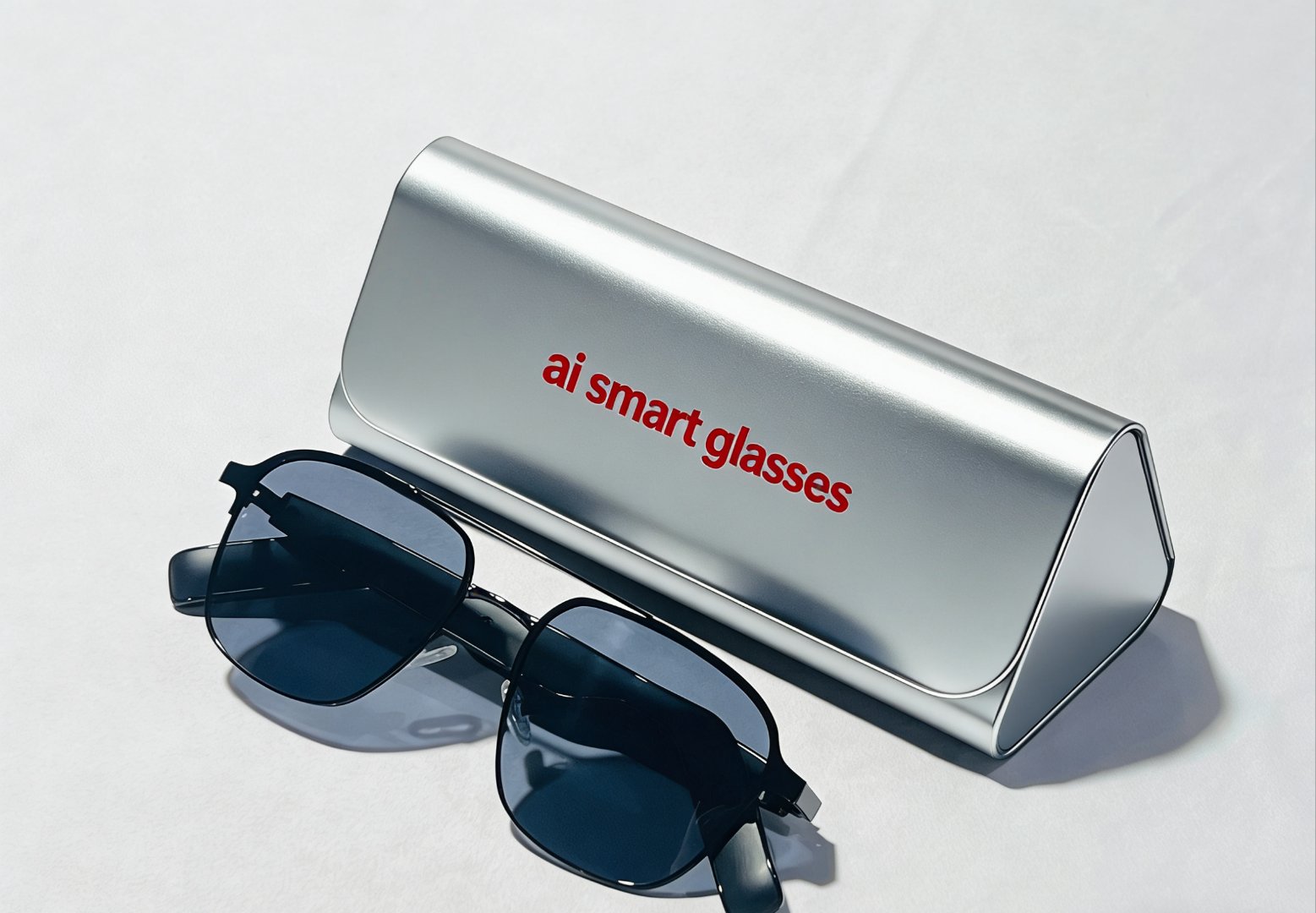
AI glasses on a retail shelf behave differently from smartphones or headphones: they are high-touch, high-theft, low-visibility devices requiring deliberate staging, staff familiarity, and clear boundaries between demonstration and consumer use. Buyers must plan for three interlocking layers — physical display security, staff readiness, and post-sale accountability — before the first carton arrives. This is not about shelf space alone; it is about how the device moves through hands, eyes and expectations in a commercial environment.
Demo Unit Configuration Is Not Optional
Demo units for Vox One AI glasses or Vox Ride cycling camera glasses must be pre-loaded with your branded interface, region-locked language model, and disabled cloud sync. Unlike consumer units, demos do not pair with personal accounts, cannot record video without explicit button press, and show no raw sensor data. Firmware lock-down is booked per hardware revision and requires a signed configuration sheet — no exceptions. The OEM/ODM services team supports this as a discrete service, separate from mass production MOQs.
Shrinkage Starts at the Display Fixture
AI glasses have higher perceived value and lower visual weight than phones or watches, making them vulnerable to opportunistic removal. Anchoring is mandatory: each demo unit must be secured via a non-conductive tether rated for 15 kg tensile strength, attached to a fixed point within 30 cm of the display. We do not supply tethers, but our factory’s how we build and test documentation includes mechanical stress test reports that specify minimum anchoring torque and cable bend radius. Unsecured displays void warranty coverage for replacement units.
Staff Script Must Exclude Diagnostic or Medical Claims
Staff briefings must reflect only what is documented in regulatory files: health smartwatch metrics are wellness guidance; translation earbuds output is reference translation; companion robots are not monitoring devices. Any script implying fall detection, glucose tracking, or emergency response violates CE RED, UKCA and FCC Part 15 scopes. Our buyer resources include a downloadable script template aligned with EN 62368-1 and Toy Safety Directive requirements — use it as a baseline, not a suggestion.
What This Process Cannot Do
This process does not support real-time biometric inference in-store. No AI glasses model — including those listed under the AI Glasses line — ships with live heart-rate, blood-oxygen or pupil-dilation analysis enabled. Such functions would require clinical-grade validation, separate CE MDR certification and a notified body review — none of which are part of current hardware revisions. If a supplier claims real-time health inference capability for retail demo units, refuse the claim. It contradicts the published factory policy and invalidates your CE RED declaration.
Certification Scope Is Tied to Hardware Revision
Certifications are not blanket approvals. Each hardware revision carries its own test scope booked with an accredited laboratory: CE RED covers EN 300 328 (RF), EN 301 489 (EMC) and EN 62368-1 (safety); FCC Part 15 B/C applies to intentional and unintentional radiators; RoHS 3 and REACH SVHC screening are batch-tested. Battery UN38.3 + SDS and EN 1811 nickel release apply only to skin-contact builds — meaning frames, not cases or stands. All documents are issued per revision, not per SKU. You receive them with the first production run, not with samples.
| Requirement | Applies To | Tested Per | Document Supplied | Notes |
|---|---|---|---|---|
| CE RED | All AI glasses | Hardware revision | Declaration + test reports | Covers RF, EMC, safety — no medical claims permitted |
| FCC Part 15 | US-bound units only | Hardware revision | Grant ID + test summary | Not valid for UKCA or CE |
| UKCA | On request only | Hardware revision | Declaration + test reports | Requires UK importer details |
| RoHS 3 / REACH | All electronics | Batch | Compliance statement | SVHC screening updated quarterly |
| EN 1811 | Skin-contact frames | Build lot | Nickel release report | Does not apply to cases or stands |
| UN38.3 + SDS | Battery-containing units | Cell batch | Test summary + SDS | Watt-hour rating printed on each unit |
| Toy Safety (EN 71) | Packaging age grade ≤14 years | Build + packaging | Test report | Booked per lab, not automatic |
Logistics and Liability Are Shared, Not Transferred
EXW, FOB Shenzhen and DDP options define risk transfer points — but not liability for misuse. WEEE, BattG, DEEE/Triman and EORI/VAT duties sit with the importer, per EU and UK law. Loss during transit is covered only if you select insured DDP air or sea; EXW shipments carry zero factory liability after handover to your forwarder. Sample cost credit applies only against mass production orders of equal or greater volume, and only if placed within 90 days of sample receipt. For full context, see our the journal and product catalogue.
Contact us to request the demo firmware lock-down specification sheet, anchoring hardware guidelines and staff script template — all required before placing your first order of Vox One AI glasses or Vox Ride cycling camera glasses. We will align each document with your target market’s regulatory scope and your internal rollout timeline. Send us the specification.
Questions buyers ask
How many demo units should I allocate per store?
Start with one configured unit per 3–5 sales floor staff, not per store. Demo units are not loaners; they ship pre-configured with your branding and firmware, and require return or buyout after 90 days.
Can WingPhoenix supply demo units with locked-down firmware?
Yes — firmware white-labeling starts at 2,000 units, but demo firmware lock-down (no app install, no cloud pairing, no voice wake) is available as a standalone service for any order of 300 AI glasses or more.
Related: more on ai glasses · buyer guides · customisation tiers