Reminder Robot Not Medical: Wording That Passes Review
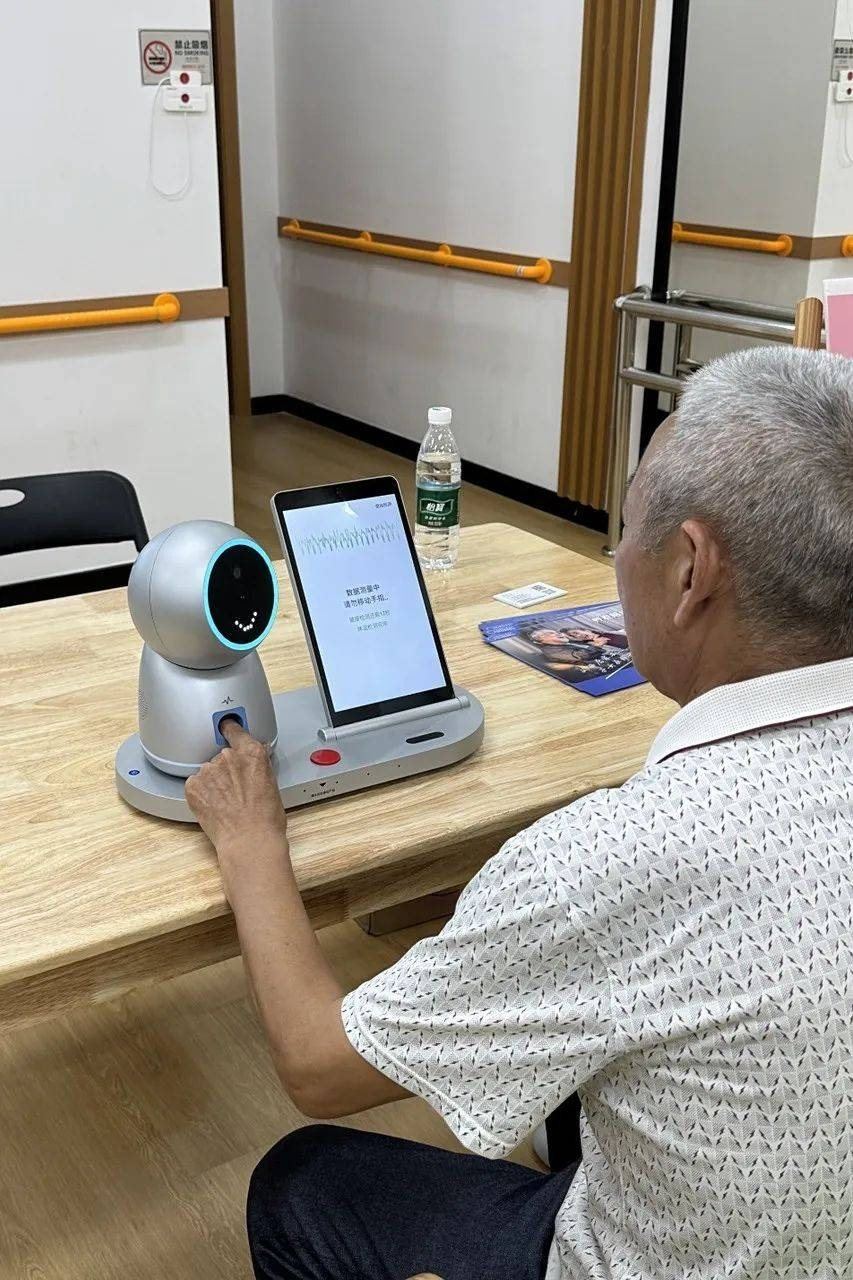
A reminder robot is a scheduling and prompting device, and the moment its packaging implies it manages a condition, you have changed the product category without changing the hardware. Buyers in Germany, the UK and the Netherlands increasingly reject artwork at the border or at retail listing review because the claim language outran the test scope. The fix is not cleverer marketing copy; it is a disciplined split between what the device does mechanically and what the user is told it does. This article sets out the wording that survives review, the wording that does not, and how to write both into a purchase specification.
Where the line actually sits
A device can hold a schedule, play a prompt, log that a prompt was played, and show the user a history. It cannot assert that a dose was taken, that a condition is stable, or that anyone was alerted. That distinction is the whole game. A companion robot with a reminder function is a wellbeing support product: it nudges, it does not supervise. The same logic applies across the Health & Wellness line, where metrics are presented as wellness guidance and never as diagnosis.
Write the boundary into the brief before the industrial design is frozen. If the specification says "reminds the user at configured times", the firmware team builds a scheduler. If it says "helps users manage their medication", someone will eventually build adherence scoring, and adherence scoring is a clinical claim in everything but name.
Wording that clears review, and wording that does not
The safe register is mechanical and temporal: reminds, prompts, schedules, notifies the user, records that a reminder was shown. The unsafe register is clinical and inferential: manages, monitors, detects, ensures, alerts a caregiver, improves adherence, prevents missed doses. The second list is not banned by a single rule; it simply obliges you to hold evidence and approvals you will not have.
| Surface | Wording that clears review | Wording that creates a claim |
|---|---|---|
| Packaging front | Reminder and routine support | Medication management |
| App onboarding | Set a time; the device will prompt you | The device tracks your treatment |
| Notification text | Reminder: your scheduled time has arrived | Time for your dose |
| History screen | Reminders shown | Doses taken |
| Support scripts | Wellness guidance only, not diagnosis | Ask your device about symptoms |
| Companion features | Conversation and companionship | Monitors the user and calls for help |
Note the last row. A companion robot is not a monitoring or emergency-response device, and no amount of careful phrasing changes that. If a distributor asks for fall detection or an emergency call path, the honest answer is that this is a different product with a different risk assessment, not a firmware option.
Documents a buyer should hold before listing
Ask for the document pack per model and hardware revision, not per brand. For a connected reminder device that normally means CE RED with EN 300 328, EN 301 489 and EN 62368-1, FCC Part 15 B/C for North America, UKCA on request, RoHS 3, REACH SVHC screening, and battery UN38.3 plus SDS. A CE RED document checklist is a useful template even when the form factor differs, because the structure of the pack is the same.
Two traps recur. First, Google Play and GMS are not licensed by default, so an app that assumes Play Services will fail on the first unit you unbox. Second, if the packaging age grading presents the device to children, the toy scope applies: EN 71-1/-2/-3, EN 62115 and Toy Safety Directive 2009/48/EC, booked with an accredited laboratory per build. That decision is made by the artwork, not by the engineering team.
Questions to put to any supplier
- Show the notification and history strings in the shipping firmware, in every market language.
- Confirm which documents are issued per hardware revision and which are issued once per brand.
- State whether the app depends on GMS, and what the fallback is.
- Confirm the age grading on the packaging and whether toy-scope testing has been booked for this build.
- Name the party holding WEEE, BattG, DEEE/Triman and EORI/VAT obligations. In the EU and UK, that is the importer, not the factory.
If a supplier answers these from memory rather than from a document, that is your signal. A supplier vetting checklist is worth more than a second quotation, and it is reasonable to walk away from a factory that treats claim wording as a marketing decision. Our own build and test process runs IQC, IPQC, FQC and OQC at AQL 2.5 major and 4.0 minor, and the wording review sits alongside those gates rather than after them.
Commercial terms to align with the claim
Standard MOQ is 500 units, logo 500, custom packaging 1,000, and firmware or app white-label 2,000. Companion models sit at 1,000 units, so a claim rewrite that touches artwork and app strings is a real cost, not a footnote. Stock samples ship in 3-5 days and configured samples in 7-15 days, with sample cost credited against mass production; production runs 25-35 days. Warranty is 12 months with 2 % free replacement parts shipped with the order. If you plan an ODM variant, tooling adds 12-20 weeks, which is the right window to finalise wording before the mould is cut. The OEM/ODM services page sets out how those stages sequence, and the wider buyer resources cover the document side in more depth.
One more decision belongs to you, not the factory. If your category strategy depends on a clinical claim, say no to this product and source accordingly. A reminder robot not medical in its wording is a defensible, listable, repeatable line; a reminder robot that quietly promises adherence is a recall waiting for a trigger.
Send us the specification with your target markets, the age grading you intend to print, and the exact notification strings you want in the shipping firmware. We will return a document list per hardware revision and a written note on any string we would change before tooling.
Questions buyers ask
Can a reminder device make any health claim at all?
Only as wellness guidance. Any wording that implies diagnosis, treatment, monitoring or emergency response moves the product into a different regulatory conversation and should be removed before tooling.
Who decides whether a device is a toy?
The age grading printed on the packaging. If the packaging presents it to children, the toy scope applies and testing is booked per build with an accredited laboratory.
Related: more on ai companions · buyer guides · customisation tiers