Camera Glasses Air Travel Battery Compliance for Cyclists
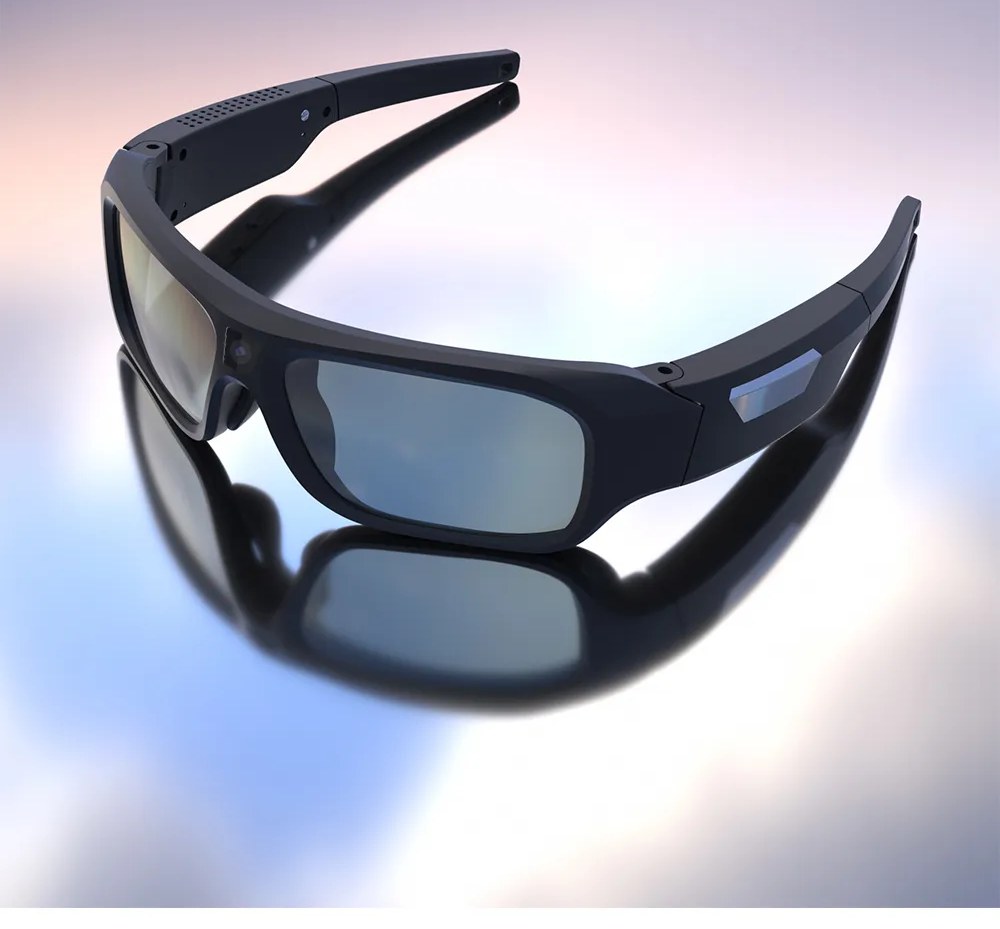
Camera glasses air travel battery compliance is not about convenience — it is about traceability, revision control and documentation alignment. For distributors selling to professional cyclists, team staff or endurance retailers, the battery is the first compliance checkpoint at airport security, freight terminals and EU border posts. WingPhoenix AI supplies AI glasses with built-in batteries designed to meet air transport thresholds, and every order includes battery-specific documentation validated per hardware revision — not per product line or marketing name.
Why battery revision matters more than model name
A single model — like the Vox One AI Glasses — may ship across three hardware revisions in one year, each with different cell suppliers, PCB layouts or thermal cut-offs. Certification (UN38.3, EN 62368-1) applies only to the tested revision. That means the CE RED file for Revision A does not cover Revision B, even if both are sold as “Vox One”. Importers must match the serial prefix or build code on the unit to the test report reference listed in the shipping documents. This is why our CE RED document checklist requires revision-level traceability — not just model number or SKU.
Spare batteries: MOQ, marking and transport limits
Spare lithium-ion batteries are subject to stricter IATA and national rules than built-in units. WingPhoenix AI does not supply loose spare batteries for camera glasses by default. If requested, they are quoted separately, require minimum order quantities of 500 units, and must carry visible watt-hour markings, UN38.3 test summary, and SDS — all aligned to the same revision as the host device. Spare batteries are not permitted in checked luggage under any circumstance. Our MOQ, sampling and lead times page details how battery-only orders are scheduled and documented.
Charging on tour: voltage, portability and safety
On-the-road charging depends on input tolerance, not just USB-C compatibility. All Vox Ride cycling glasses accept 5 V–9 V input with overvoltage and short-circuit protection certified to EN 62368-1. They do not support PD negotiation beyond 18 W, nor fast-charge protocols requiring proprietary handshake. Chargers used on team buses or in hotel rooms must be CE-marked and rated for continuous duty — a detail often overlooked in procurement. We test charging circuits at IQC and FQC gates per how we build and test, but final field performance remains dependent on third-party charger compliance.
What this process cannot do
This process does not produce a universal battery declaration accepted by all airlines or ground handlers. There is no central registry, no IATA-issued “lithium clearance”, and no version of the UN38.3 test summary that waives individual carrier policy review. Some airlines prohibit all wearable electronics with non-removable batteries from overhead bins during take-off and landing — a restriction entirely outside WingPhoenix AI’s scope. Importers must confirm carrier-specific rules before dispatch, especially for charter flights used by cycling teams. Relying on a supplier’s “global air travel approval” statement is a compliance risk — and one reason distributors should reject proposals lacking revision-specific UN38.3 evidence.
Documentation you receive — and what you must check
Every shipment of camera glasses includes a document pack specific to its hardware revision. These are not templates or placeholders — they are issued by accredited labs and reflect actual test conditions. Below is the mandatory checklist for importers verifying air travel readiness:
| Document / Marking | Required? | Where It Appears | Revision Tied? |
|---|---|---|---|
| UN38.3 Test Summary | Yes | Shipping documents & lab portal link | Yes — unique per hardware revision |
| SDS (Safety Data Sheet) | Yes | PDF with order, printed copy optional | Yes — reflects cell chemistry in that build |
| Watt-hour (Wh) marking | Yes | Laser-etched on battery housing | Yes — matches test report value |
| CE RED Declaration | Yes | Includes EN 300 328, EN 301 489, EN 62368-1 | Yes — valid only for tested revision |
| RoHS 3 & REACH SVHC | Yes | Declaration of Conformity annex | No — substance screening applies across material batches |
| UKCA marking | On request | Label + DoC (separate from CE) | Yes — requires separate UK lab validation |
| EN 1811 nickel release | Only for skin-contact parts | Test report for frame/temple materials | Yes — per material lot, not revision |
Next steps for importers and distributors
If your team supports cycling professionals or endurance retailers, begin by reviewing the hardware revision of your current stock against the latest UN38.3 and CE RED files. Then, use our firmware and app customisation page to assess whether planned updates require battery retesting — and consult the buyer resources section for updated checklists. To start verification for your next order, send us the specification
Questions buyers ask
Can these camera glasses go in carry-on luggage with their battery installed?
Yes — when the built-in battery is ≤100 Wh and the device meets EN 62368-1 and UN38.3 requirements, as documented per hardware revision. All <a href="https://wingphoenixai.com/products/ai-glasses/vox-ride-ai-cycling-glasses/">Vox Ride cycling glasses</a> meet that scope.
What’s the importer’s liability for battery documentation at EU customs?
The importer holds responsibility for verifying UN38.3 test summary, SDS, and watt-hour marking on each unit — all supplied per order, not assumed from prior revisions.
A distributor says a sample failed UN38.3 retest after firmware update — what happened?
Battery certification is tied to hardware revision, not model name. Firmware changes do not invalidate battery tests — but if the update alters power management or thermal behaviour, a new UN38.3 scope must be booked with the lab.
What report does not exist yet — and why should importers refuse a supplier who claims it does?
There is no IATA-certified “battery passport” or harmonised global lithium transport certificate. Any claim of such a document is misleading. Importers must rely only on UN38.3 test summary, SDS, and visible Wh marking — verified against the exact shipped unit.
Related: more on ai glasses for cycling · buyer guides · customisation tiers