AI Glasses for Distributors: What Sells on a Shelf in 2026
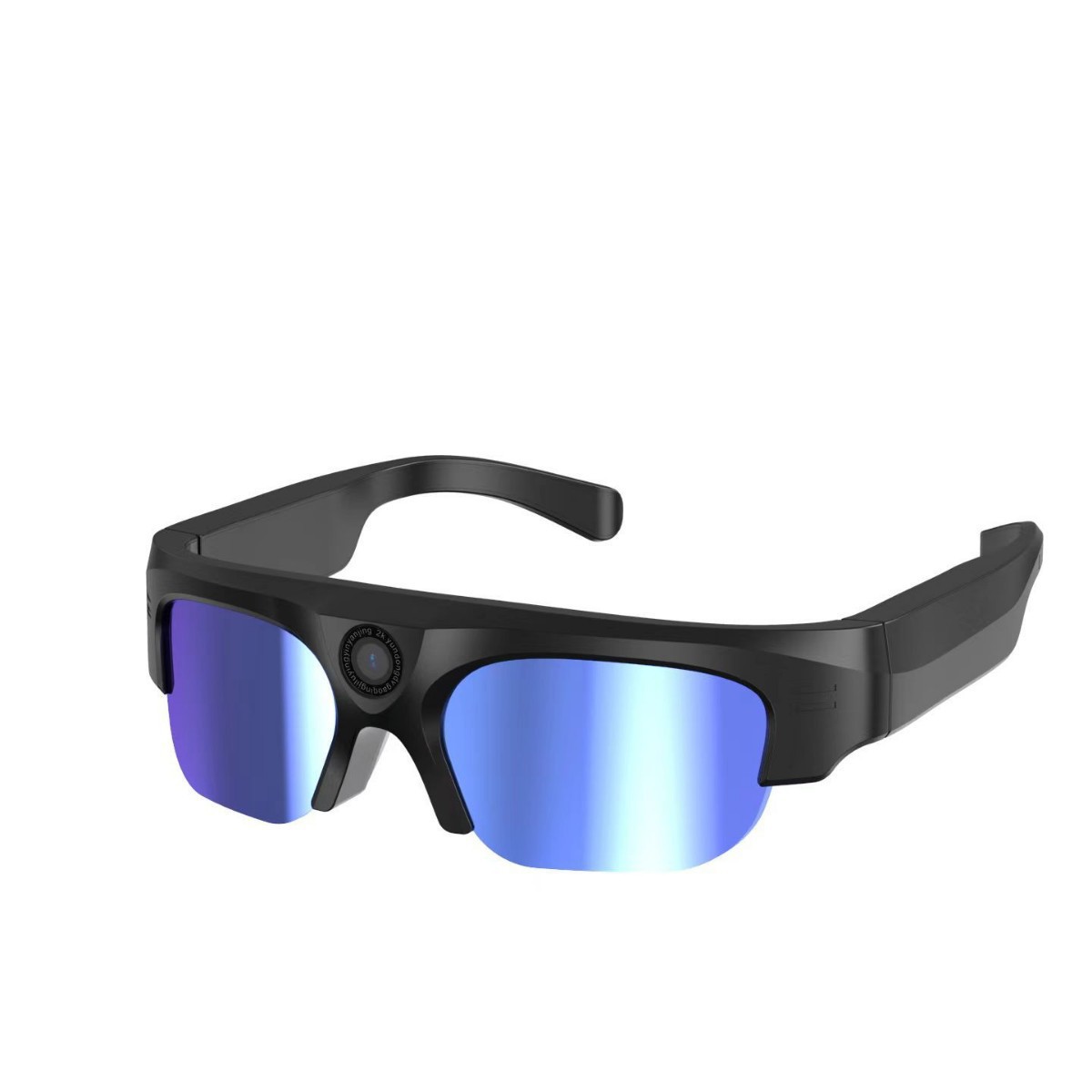
An AI eyewear range is not one product. It is a set of frames that share a charging case and a phone app but differ in camera, audio, display and translation capability, and each variant carries its own compliance file. Distributors who treat the category as a single SKU end up with stock that fits no retail channel cleanly. The buying decision is therefore less about picking a winner and more about matching frame types to the shelf space you actually control. Start from the range structure rather than the specification sheet.
Segment the range before you segment the price
Three frame families behave differently in the channel. Audio-only frames sell where sunglasses already sell, because the customer understands the use case without a demonstration. Camera frames need a live demo and a staff member who can explain recording indicators and local privacy expectations. Display or translation frames need a trained associate and a return policy that survives first-week disappointment. If your retail partners cannot demonstrate a frame, do not stock it, regardless of margin. The AI Glasses line is organised along these lines, and the Vox One AI glasses page shows how a single model is documented for buyers.
What will collect dust
Two categories reliably underperform for distributors. The first is the feature-stacked frame with no clear primary job: the buyer cannot explain it in one sentence, so the shop assistant cannot either. The second is the frame whose companion app requires an account, permissions and a firmware update before the first use, because returns cluster in the first fortnight. Translation is a specific case. It is a reference output, useful for travel and conversation, but it is not a certified translation and must never be presented as suitable for contracts, medical appointments or legal matters. Frames sold on that promise come back. The translation earbuds page is a useful comparison point for how a translation feature should be described to retail staff.
The compliance file you must hold before listing
Documents are issued per model and per hardware revision, not per brand. A silent revision to the camera module or the battery invalidates the file you hold, so your purchase order should name the revision and require the test report to match it. WingPhoenix books certification scopes with accredited laboratories per build; the company does not hold blanket certificates that cover future changes. Toy scope under EN 71-1/-2/-3 and EN 62115 is decided by the age grading printed on the packaging, so if your packaging says eight years and up, that is the scope you must book. The factory page describes the QC gates and test flow behind each shipment.
| Checklist item | What the buyer should hold | Why it matters |
|---|---|---|
| Radio and safety | CE RED reports: EN 300 328, EN 301 489, EN 62368-1 | Required before EU listing; must match the hardware revision shipped |
| North America | FCC Part 15 B/C | US and Canada channel entry |
| Materials | RoHS 3, REACH SVHC screening, EN 1811 nickel release | Skin-contact frames and retail chemical compliance |
| Battery | UN38.3 test summary plus SDS | Air and sea freight acceptance |
| Toy scope | EN 71-1/-2/-3 and EN 62115 where age grading requires | Determined by packaging age grading, booked per build |
| Importer duties | WEEE, BattG, DEEE/Triman registration, EORI and VAT | These sit with the importer, not the factory |
Order mechanics that decide your margin
Standard MOQ is 500 units, with logo at 500, custom packaging at 1,000 and firmware or app white-label at 2,000. AI glasses sit at 300 units, which makes a test order realistic for a single retail chain. Samples ship in three to five days from stock and seven to fifteen days configured, with sample cost credited against mass production. Production runs 25 to 35 days, and ODM tooling takes 12 to 20 weeks, so a tooling-led programme should be planned against a season, not a quarter. Terms are EXW, FOB Shenzhen or DDP by air or sea. Warranty is 12 months with 2 % free replacement parts shipped with the order, and QC runs IQC, IPQC, FQC and OQC at AQL 2.5 major and 4.0 minor.
- Ask for the test report revision number and match it to the PO line.
- Confirm the age grading on packaging before booking toy scope.
- Check whether Google Play or GMS is licensed; it is not licensed by default.
- Decide who registers WEEE, BattG and Triman before the first shipment lands.
- Request a demo unit for each retail partner, not one per country.
Where to say no
Decline any supplier who offers a certificate that covers models not yet built, or who cannot name the laboratory and the standard behind a claim. Decline a companion robot pitched as a monitoring or emergency-response device, because it is neither, and decline health features presented as diagnosis rather than wellness guidance. If a supplier cannot tell you which hardware revision a report belongs to, the file is not usable in an audit. The AI glasses market trends note and the wider buyer resources set out how to structure that due diligence.
A practical next step is to shortlist two frame families for one retail chain, request configured samples against a named hardware revision, and ask for the matching compliance pack before you discuss volume. Send the specification, target market and packaging age grading through the contact page, and the team will confirm MOQ, lead time and the document set for that exact build.
Questions buyers ask
What is the minimum order for AI glasses from WingPhoenix?
Standard MOQ is 500 units, rising to 1,000 for custom packaging and 2,000 for firmware or app white-label work. AI glasses specifically sit at 300 units, and sample cost is credited against mass production.
Which compliance documents should a distributor hold for camera glasses in Europe?
Per model and hardware revision you should hold CE RED reports covering EN 300 328, EN 301 489 and EN 62368-1, plus FCC Part 15 B/C for North America, RoHS 3, REACH SVHC screening and battery UN38.3 with SDS. UKCA is available on request, and EN 1811 nickel release matters for skin-contact frames.
Related: more on ai glasses · buyer guides · customisation tiers