Smart Glasses Accessories Margin: Cases, Cables and Repeat Orders
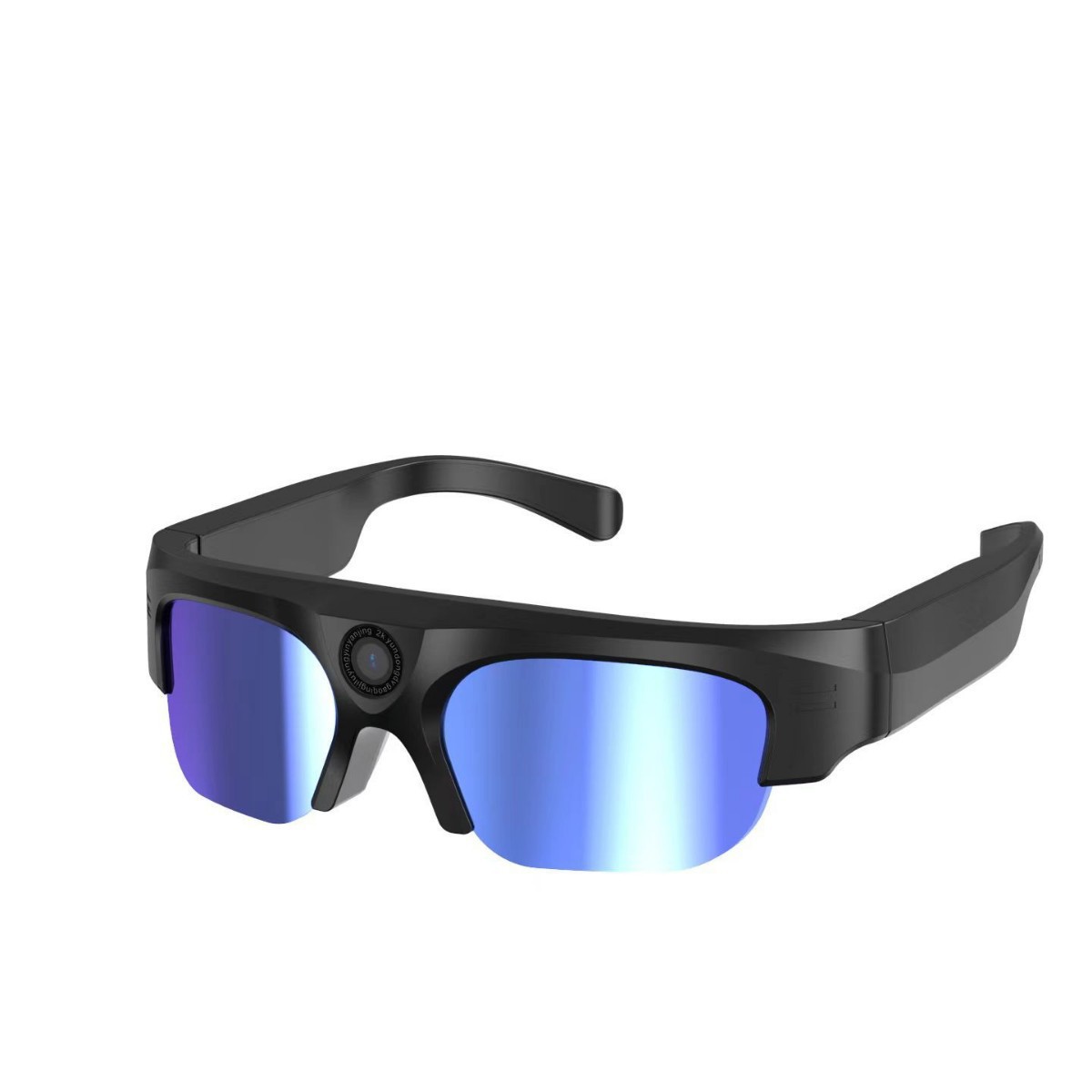
Accessory margin on AI glasses is not about markup alone — it is about where repeat orders sit in the buyer’s calendar once the frame itself becomes a one-a-year purchase. For distributors and brand owners across Germany, the UK, the Netherlands, France, the US and Canada, the real margin lift comes from predictable reorder cycles on cases, charging cables, retention straps and microfibre cloths — not from pushing frame volume. This article maps how WingPhoenix’s published factory policy, compliance scope and production cadence define what is repeatable, what is certifiable and where procurement must hold the line.
Reorder Timing Is Built Into the Product Lifecycle
AI glasses frames like the Vox One AI glasses or Vox Ride cycling camera glasses are designed for annual replacement. Accessories, by contrast, follow a quarterly rhythm: cases show scuffing after 90 days of field use, lanyards stretch or fray, charging cables fail at the strain relief point, and cloths lose efficacy after repeated washes. That rhythm is reflected in the MOQ structure: standard accessories carry a 500-unit MOQ, identical to that of the AI glasses themselves — but with no firmware or app white-label requirement. This means the same order size delivers faster throughput, lower QC overhead and no tooling delay. Reorders can be placed 60 days before stock depletion, aligning with the 25–35 day production window and allowing buffer for customs clearance under DDP air or sea terms.
Compliance Is Per Revision, Not Per Category
It is common to assume that once a case passes CE RED or a cable clears FCC Part 15, future batches are exempt. WingPhoenix does not operate that way. Every hardware revision — including changes to zipper material, cable jacket polymer, strap stitching pattern or cloth weave density — triggers a new test scope booking with an accredited laboratory. A lanyard with metal clasp requires EN 1811 nickel release screening. A cloth treated with silver-ion antimicrobial agent requires updated REACH SVHC screening and RoHS 3 confirmation. A charging cable with integrated power delivery circuitry carries UN38.3 + SDS documentation, and the watt-hour rating must be printed on each unit. These documents are supplied per model and hardware revision, not per product line. Buyers should verify that their supplier provides this documentation *with the shipment*, not as a post-shipment addendum.
What This Process Cannot Do
This process does not support “one-off” accessory variants without full compliance rebooking. A distributor cannot request a custom-colour case variant mid-run and assume existing CE RED or UKCA reports apply. Nor can a retention strap be modified with a different buckle type or length without retesting for mechanical strength and skin-contact safety. WingPhoenix will not quote or produce such variants unless the full test scope is booked in advance for that specific revision. Importers should refuse any supplier claim that “the base certification covers all colourways” or “minor physical changes don’t affect compliance”. Those claims contradict the documented lab booking practice and expose the importer to liability under EU and UK market surveillance regimes.
MOQ and Sample Logic Align With Reorder Reality
The 500-unit MOQ for accessories matches typical distributor reorder volumes for mid-tier SKUs in EMEA and North America. Logo imprinting also starts at 500 units — meaning branded cases or lanyards can enter the reorder cycle without minimum uplift. Custom packaging begins at 1,000 units, reflecting shelf-ready unit economics rather than component-level logic. Samples follow the same discipline: stock accessories ship in 3–5 days; configured samples (e.g., custom logo + custom colour + antimicrobial cloth) take 7–15 days. Sample cost is credited against mass production — a safeguard against overcommitting to untested variants. This structure ensures that buyers validate both aesthetic and compliance readiness before committing to the first reorder.
Where Accessories Fit in the Full Hardware Stack
Accessories sit alongside other repeat-purchase categories in WingPhoenix’s portfolio: B1 AI translation earbuds, H3 health smartwatch and service robots — all governed by distinct MOQs and test scopes. The AI Glasses line shares its accessory compliance framework with the cycling camera glasses, but not with smart rings or companion robots, whose skin-contact and laser requirements differ materially. Buyers evaluating cross-category bundling should consult the OEM/ODM services page for joint quotation pathways — but must still treat each accessory revision as a discrete compliance event.
| Item | Standard MOQ | Key Compliance Trigger | Test Document Supplied | Revision-Specific? |
|---|---|---|---|---|
| Hard-shell case | 500 | Material change, clasp type, lining fabric | RoHS 3, REACH SVHC, EN 1811 (if skin-contact) | Yes |
| USB-C charging cable | 500 | Jacket polymer, power delivery IC, connector plating | FCC Part 15 B/C, UN38.3 + SDS, RoHS 3 | Yes |
| Silicone retention strap | 500 | Base polymer, dye batch, buckle material | EN 1811, REACH SVHC, RoHS 3 | Yes |
| Microfibre cleaning cloth | 500 | Weave density, antimicrobial treatment, dye lot | REACH SVHC, RoHS 3, EN 71-3 (if toy-grade) | Yes |
| Carrying pouch (non-rigid) | 500 | Fabric type, zipper metal, print ink | REACH SVHC, RoHS 3, EN 1811 (if lined) | Yes |
| Lens cleaning spray (liquid) | 1,000 | Formula change, propellant, container material | CLP/GHS, REACH SVHC, UN38.3 (if aerosol) | Yes |
- Every accessory revision requires a new lab booking — no carry-over of prior reports
- Skin-contact items must meet EN 1811 nickel release limits, tested per build
- Battery-powered accessories include UN38.3 summary and SDS, with watt-hour rating printed on each unit
- Toy-grade accessories are defined solely by age grading on packaging, not function
- Custom packaging MOQ is 1,000 units — not negotiable below that threshold
- Sample cost is credited against mass production, not refunded separately
Accessory margin is earned through disciplined adherence to revision-controlled compliance, not through volume discounts or speculative forecasting. To begin planning your next reorder cycle, review the buyer resources, confirm your required hardware revision against the how we build and test page, then send us the specification — including material, colour, logo placement and intended market — so we can book the correct test scope and confirm lead time before quoting.
Questions buyers ask
Why do accessories generate higher margin than frames?
Frames are one-a-year purchases; accessories wear, lose or get replaced quarterly. Their lower unit cost, faster turnover and simpler certification path compress lead time and raise gross margin per SKU.
What stops a distributor from sourcing accessories locally?
Skin-contact items require EN 1811 nickel release testing per build, battery-powered cables need UN38.3 + SDS, and every revision of a cloth with antimicrobial coating triggers RoHS 3 and REACH SVHC re-screening — all booked per hardware revision at the factory.
Related: more on ai glasses · buyer guides · customisation tiers