Smart Glasses Wholesale: Two Sizes or Two Lenses for Your First Order
Why Fewer SKUs Sell Better Than Wider Catalogs
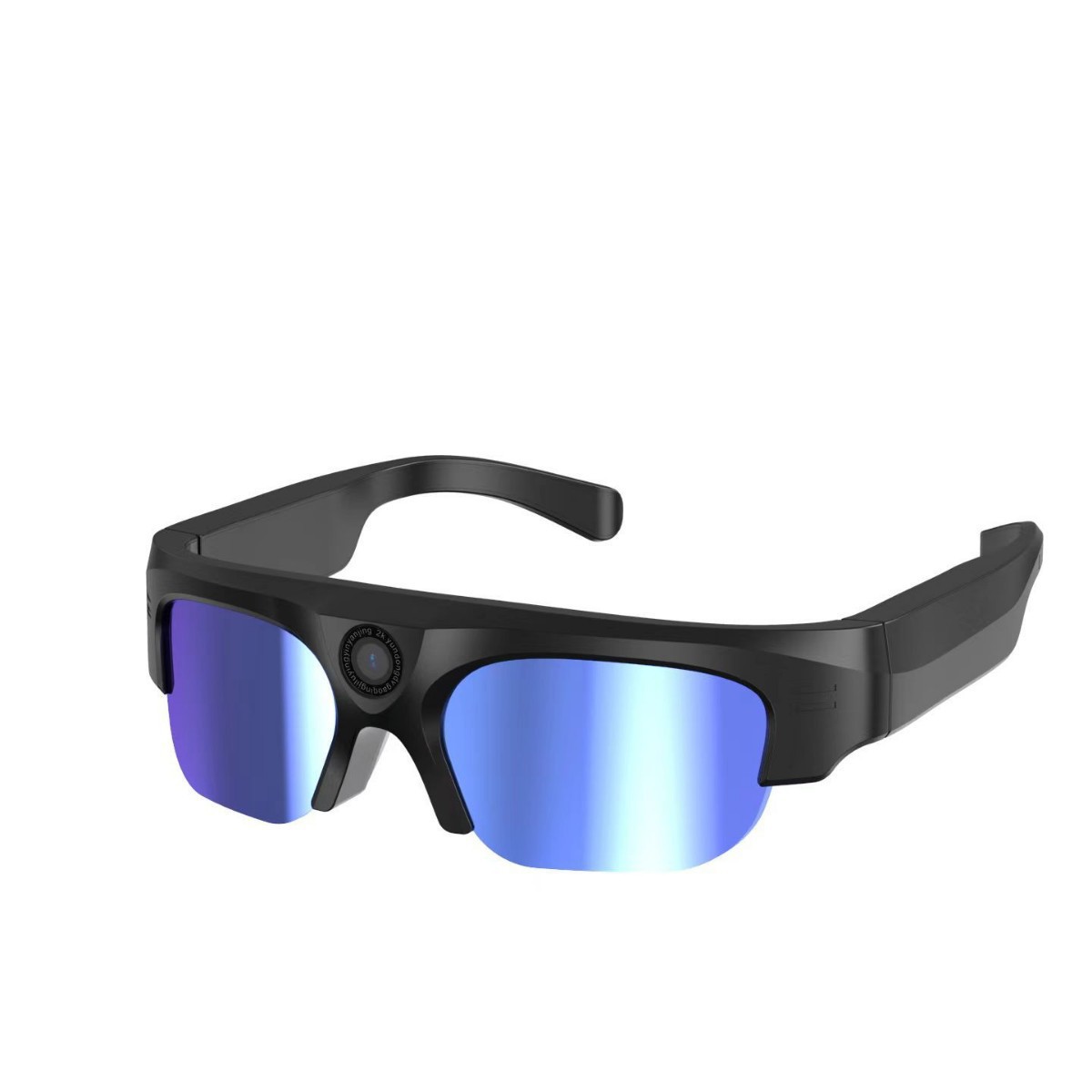
A narrow smart glasses wholesale catalog — built around two frame sizes rather than four lens variants — reduces onboarding friction for distributors and improves sell-through velocity. Buyers in Germany, the UK and the Netherlands report faster shelf placement and fewer returns when fit variance is addressed early, not deferred to post-launch sizing kits. This approach aligns with the AI Glasses line’s factory policy: MOQ for AI glasses is 300 units, and every unit must meet AQL 2.5 major defect criteria before OQC. Spreading that volume across too many SKUs dilutes QC consistency and delays DDP air shipment scheduling.
Frame Size vs. Lens Option: Where Compliance Splits
Each frame size constitutes a distinct hardware revision. That means separate bookings for CE RED (EN 300 328, EN 301 489), FCC Part 15 B/C and EN 62368-1 at an accredited laboratory — even if lens material, coating or focal distance remains identical. Lens options (e.g., photochromic, blue-light filtering, polarised) do not trigger new safety or EMC testing unless they alter RF exposure, thermal dissipation or battery placement. You’ll find this distinction reflected in the how we build and test process: IQC gates verify frame geometry first, then IPQC confirms lens mounting integrity per revision, not per lens SKU.
The First-Order Bundling Rule
For your first smart glasses wholesale order, select two frame sizes — small and medium — and standardise on one lens type. This satisfies the majority of adult fit profiles while keeping firmware validation, packaging configuration and regulatory documentation manageable. The Vox One AI glasses and Vox Ride AI cycling glasses both follow this logic: size variants are pre-tested as discrete builds, while lens swaps are treated as accessory-level updates. Avoid bundling custom lenses until volume justifies separate test scopes — which begins at 1,000 units per lens variant, per frame size.
What This Approach Cannot Do
This two-size strategy does not support real-time optical recalibration across frames. No firmware release currently enables automatic adjustment of eye-tracking offset, interpupillary distance mapping or depth perception algorithms when switching between small and medium frames. That capability requires separate calibration routines per size — and those are not included in the base firmware bundle. If your brand requires adaptive optical alignment, engage OEM/ODM services before placing the order, as it adds 8–12 weeks to the production timeline and triggers a minimum 2,000-unit firmware white-label MOQ.
How to Validate Fit Without Overcommitting
Before finalising your first order, request a size kit — five units each of small and medium frames, unconfigured — shipped within 3–5 days. These are drawn from current stock and carry full CE RED, FCC and RoHS 3 documentation. Use them for in-store fit trials, distributor demos and ergonomic assessment. The kit cost is credited against your mass production order. This step is more reliable than relying on 3D-printed mock-ups or CAD overlays, especially for models where temple angle or bridge width affects audio transducer coupling or micro-display alignment — details covered in the buyer resources section and referenced in the AI glasses market trends report.
| Decision Point | Two Frame Sizes | Two Lens Options |
|---|---|---|
| MOQ impact | 300 units applies per size (600 total) | No MOQ increase if lens change is mechanical only |
| Certification scope | Two full test scopes required (CE RED, FCC, EN 62368-1) | No new scope unless lens alters RF path or thermal profile |
| Firmware validation | Separate validation per size; no cross-size calibration | Single validation if optics don’t affect sensor fusion |
| Packaging & labelling | Dual SKUs require two printed box designs and two EN 1811 nickel release statements | Lens variant can share primary packaging with insert label |
| Post-order flexibility | Unopened units exchangeable within same run | Lens swaps require separate accessory MOQ (500 units) |
| Warranty coverage | 12 months, 2 % free replacement parts per size | Lens replacements fall under accessory warranty terms |
| Lead time | 25–35 days (standard AI glasses) | No added delay if lens is stocked and mechanically compatible |
Start by reviewing the product catalogue, then use the send us the specification form to confirm your preferred frame sizes and lens baseline. We’ll issue a formal quotation with test scope timelines, DDP air freight options and sample kit availability — all aligned to your first order’s compliance and logistics plan.
Questions buyers ask
Should I launch with one frame size and multiple lens options, or two frame sizes and one lens?
For your first smart glasses wholesale order, two frame sizes — not two lens types — deliver broader fit coverage with lower inventory risk and simpler certification tracking across hardware revisions.
How does this affect our CE or FCC documentation timeline?
Each frame size is a separate hardware revision requiring its own test scope booking; two sizes mean two sets of EN 62368-1, RED and FCC reports — but no extra testing if lens optics remain unchanged.
What happens if our distributor returns 40% of one size after three months?
Unopened units from the same production run may be exchanged for the other size, subject to stock availability and prior agreement — but only within the original order batch, not across revisions.
Which claim do most suppliers avoid when bundling AI glasses?
That a single firmware build supports both optical paths equally — WingPhoenix validates each lens option separately per frame size, and no firmware release covers cross-size optical calibration.
Related: more on ai glasses · buyer guides · customisation tiers