Offline Translation Languages: What the Box Count Hides
A purchasing manager comparing two quotations for a pocket translator will usually see the same headline figure: a language count, presented as though it were a single specification. It is not. A device can support a large number of languages through a cloud service and a much smaller number offline, and the two lists are rarely identical. The gap between them is where returns, marketplace disputes and negative reviews originate. Before you sign a purchase order, separate the online language list from the offline pair list and decide which one your market actually needs.
Online languages and offline pairs are different specifications
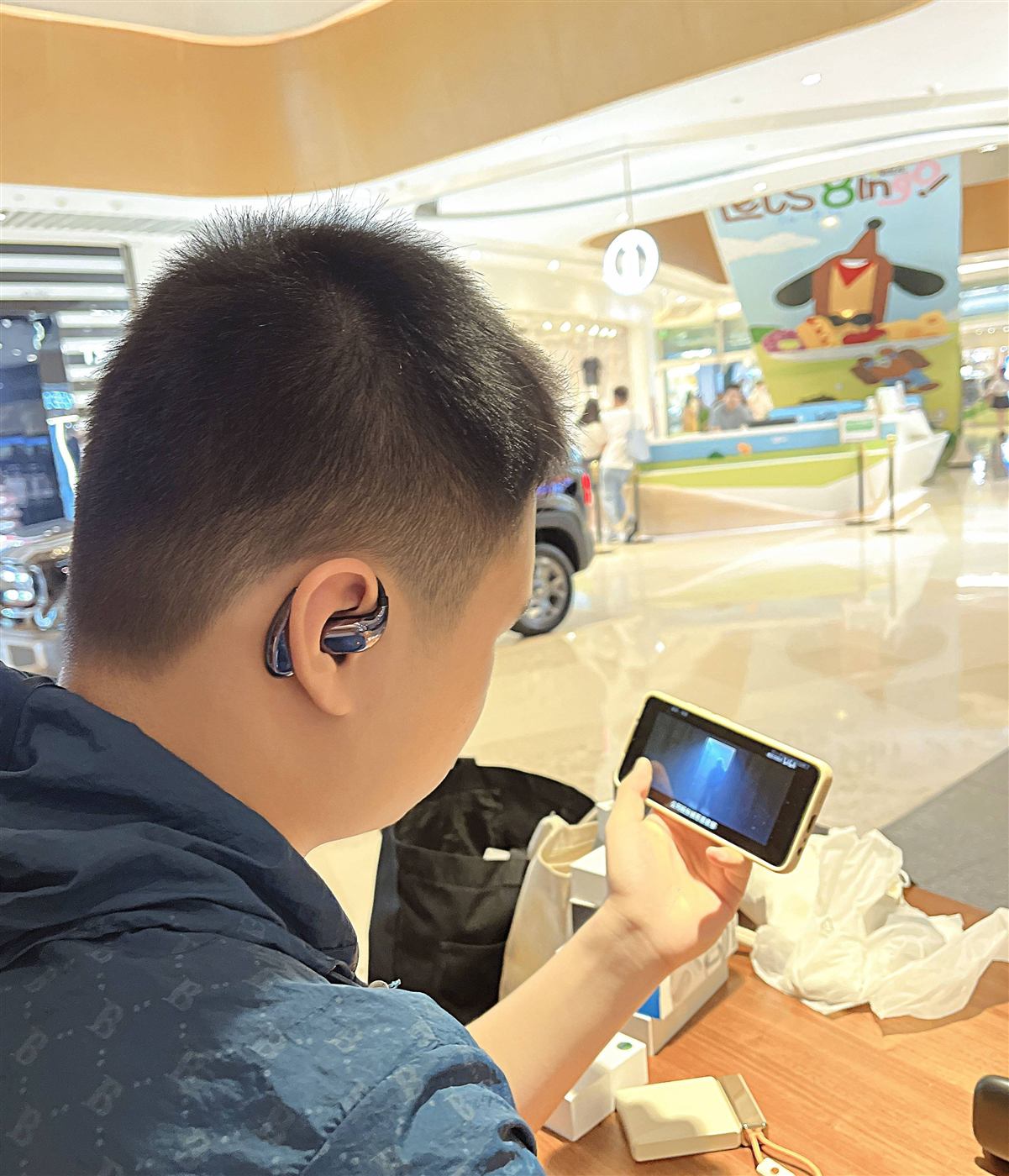
An online mode translator sends audio to a server, runs a larger model and returns text or speech. The language list is limited mainly by the service behind it. Offline translation runs a compressed model on the device, and every additional offline pair consumes storage, memory and battery. A supplier quoting one number is usually quoting the online list. Ask for the offline list separately, by hardware revision and by language pack version, because a firmware update can change both. The pocket translator and the translation earbuds are both quoted this way, with the offline scope stated per build rather than as a single figure.
What to ask for, in writing, before quoting
Put the questions in the request for quotation, not in a follow-up email after sampling. A supplier who cannot answer them in writing is telling you something useful about the engineering documentation you will receive later. Work through this list before you compare prices.
- The offline pair list per hardware revision, with source and target languages named individually rather than grouped by region.
- Language pack version numbers and how a pack is delivered: preloaded, downloadable, or installed by your own service.
- On-device storage required per pack, and whether packs can be removed to free space.
- Behaviour when a requested pair is not installed: clear on-screen message, or silent fallback to cloud.
- Whether offline output is speech or text only, and whether the reference translation disclaimer is shown in the interface.
- How a firmware update changes the offline list, and whether you are notified before it ships.
Phrasing the claim on a listing
Marketplace teams copy the supplier's headline number because it is the easiest line to write. That is the line that generates complaints. A defensible listing separates the two modes in the same sentence: state the number of offline pairs, name the most commercially relevant ones, and note that additional languages require a network connection. Keep the wording consistent with the manual, the packaging and the app store description, because a mismatch between any two of them is what a compliance reviewer or a marketplace auditor will find. Translation output is a reference translation and should be described as such; it is not a certified, legal or medical translation, and no listing should suggest otherwise.
| Item to confirm | Why it matters | Where it should appear |
|---|---|---|
| Offline pair list per revision | Defines what the buyer can honestly advertise | Quotation, manual, listing |
| Language pack version | Packs change between firmware releases | Release notes, app description |
| Storage per pack | Affects how many pairs ship preloaded | Specification sheet |
| Fallback behaviour | Prevents silent cloud use and data surprises | Manual, on-screen notice |
| Interface disclaimer | Reference translation status must be visible | Device UI, listing copy |
| Certification test scope | Booked per hardware revision with an accredited laboratory | Compliance file, per model |
| Importer obligations | WEEE, BattG, DEEE/Triman, EORI and VAT sit with the importer | Your own registration records |
Where the language count meets compliance and packaging
Offline capability is not only a marketing question. If the device is placed on the market as a toy, the age grading printed on the packaging decides whether the toy scope applies, and that scope is booked with an accredited laboratory per build. A translation device aimed at adult travel use normally sits outside that scope, but the grading on the box is what governs. Documents are supplied per model and hardware revision, and a change of language pack that alters radio behaviour or the bill of materials can move the revision. Confirm with your supplier that the compliance file you receive matches the build you are shipping.
Matching the offline scope to your channel
A distributor selling into several countries may need fewer offline pairs than a brand owner selling one device with a strong offline promise. Decide which claim your channel can support, then buy to that claim. Where the offline scope is fixed and the online scope is larger, say so plainly on the box and in the listing. Where you need a specific offline pair set, that becomes an engineering request rather than a catalogue selection, and it belongs in the customisation discussion alongside the app and firmware scope. The firmware and app customisation route is where language pack selection, interface wording and the disclaimer text are agreed. Lead times and minimum order quantities for that work are set out in the published MOQ, sampling and lead times reference, and the wider device range is listed in the AI device line.
Deciding when to say no
A supplier who will not provide the offline pair list per revision is asking you to carry the risk of an overstated claim. That is a reasonable point to decline the quotation, however attractive the unit price. The same applies to a supplier who cannot state which accredited laboratory holds the test scope for your build, or who treats the offline list as a marketing variable rather than a fixed engineering output. Buyers who ask these questions early tend to spend less time on post-launch corrections.
Send the specification you intend to advertise, with the offline pair list and the intended markets, to our team, and ask for it to be returned with the language pack version, the storage requirement and the compliance scope for that hardware revision. That single exchange will tell you whether the language count on the box can survive contact with your customers.
Questions buyers ask
How many offline languages should a translation device claim?
Only the pairs the hardware revision can actually run without a network, tested on that build. Ask for the offline pair list per language pack version, not a headline total.
Can I advertise offline translation on my listing?
Yes, if you state the offline pair count, the language pack version and the on-device storage requirement. Avoid implying every language on the box works offline.
Related: more on ai translation · buyer guides · customisation tiers