Corporate Wellness Wearables: Writing Tender Specs That Hold
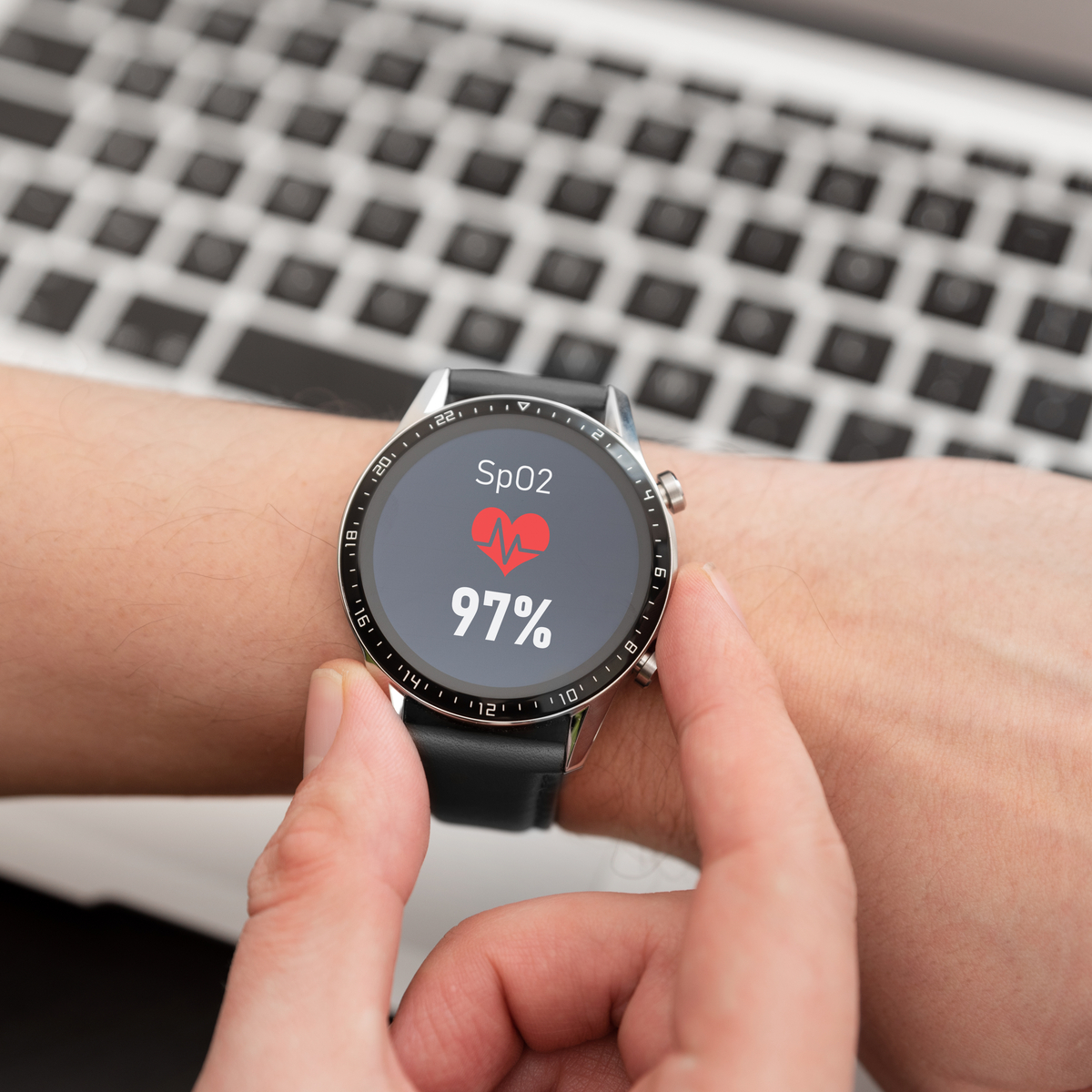
Most corporate wellness wearables tenders fail on the specification, not on price. HR writes a wish list of health features, procurement converts it into a scoring matrix, and the resulting document never states who owns the step data or what happens when an employee leaves. Suppliers then answer the only way they can: with vague commitments that survive evaluation and collapse at contract signature. The fix is to write the tender in the order the risks actually arise — data, then device, then evidence.
Write data ownership before hardware
A wellness programme generates personal data, and the tender must say who is the controller, what the lawful basis is, how long records are retained and how deletion is proven. Ask each bidder to name the hosting region, the sub-processors and whether an app can operate against a self-hosted endpoint. If the answer is a cloud account only the supplier can administer, the buyer has outsourced the programme rather than procured a device.
Device management belongs in the same clause. Specify how units are enrolled, whether a device can be reassigned to a new employee without a factory reset, and what the supplier can see from its side. A wearable that phones home with identifiable health data is a different procurement object from one that syncs to a company tenant. The AI wearables line is quoted with the app and firmware scope stated per revision, so the enrolment model is settled before tooling rather than after.
Specify the hardware by function, not by feature list
Feature lists invite bidders to over-claim. Functional requirements invite them to explain. Write "wrist-worn, continuous heart-rate and sleep tracking, at least five days between charges under stated use" and you will receive a testable answer. Write "advanced AI health insights" and you will receive marketing.
Form factor follows the population. A wrist device suits a broad workforce and simplifies charging logistics; a ring suits employees who cannot wear a watch at work and needs a smaller sizing exercise. Both belong in the same tender only if the buyer accepts two enrolment flows. Where the programme includes activity challenges, a GPS sport watch covers outdoor routes that wrist-only optical tracking handles poorly, while a smart health ring or a smart ring with charging case covers shift staff who remove jewellery for hygiene reasons. All health metrics in this category are wellness guidance, never diagnosis, and the tender should say so explicitly to protect both parties.
The evidence pack a serious bidder can actually produce
Certification is not a property a supplier holds; it is a test scope booked per hardware revision with an accredited laboratory. A tender should therefore ask for the standard, the revision it covers and the report date, and should treat a logo with no revision reference as unanswered. The same logic applies to battery documentation, which travels with the shipment rather than sitting in a folder.
| Tender requirement | Evidence to demand | Where bids fail |
|---|---|---|
| Radio and safety | CE RED to EN 300 328, EN 301 489 and EN 62368-1; FCC Part 15 B/C; UKCA on request | Certificate shown without the hardware revision it covers |
| Chemical and skin contact | RoHS 3, REACH SVHC screening, EN 1811 nickel release for skin-contact parts | No nickel release statement for the strap or ring body |
| Battery transport | UN38.3 test summary and SDS with watt-hour rating printed on each unit | Capacity promised in the bid but absent from the datasheet |
| Toy scope | EN 71-1/-2/-3, EN 62115 and Toy Safety Directive 2009/48/EC where the age grading on the packaging triggers it | Bidder assumes the device is out of scope without checking the age grading |
| Quality gates | IQC, IPQC, FQC and OQC at AQL 2.5 major and 4.0 minor | Single "100 % inspected" claim with no sampling plan |
| After-sales | 12-month warranty and 2 % free replacement parts shipped with the order | Warranty stated without the parts allowance or return route |
| Software licensing | Written statement on Google Play / GMS licensing, which is not granted by default | App assumed to ship with full Google services |
Commercial terms and the importer's own obligations
Volume thresholds decide whether a pilot is even quotable. Standard MOQ is 500 units, logo 500, custom packaging 1,000, firmware or app white-label 2,000, AI glasses 300, ring, education and companion models 1,000, and service robots are quoted per project from 50 units. Samples run 3-5 days from stock and 7-15 days configured, with sample cost credited against mass production; production is 25-35 days, 30-40 for education and 12-20 weeks for ODM tooling. Incoterms are EXW, FOB Shenzhen or DDP by air or sea. These are the numbers a tender timetable must fit, and the MOQ, sampling and lead times reference sets them out for bidder comparison.
Two obligations sit with the importer, not the factory: EU and UK duties under WEEE, BattG, DEEE/Triman and EORI/VAT registration. A tender that does not name the party carrying them will produce a bid that quietly assumes the supplier does. Where a companion robot appears in a wellness context, the specification must state that it is not a monitoring or emergency-response device, and where translation is offered it is a reference translation only.
Scoring the response
- Reject any bid that names a certificate without a hardware revision and report date.
- Require a data flow diagram, not a privacy policy link.
- Ask for the enrolment and reassignment procedure in writing.
- Confirm the datasheet exists for the exact revision being quoted.
- Check the delivery schedule against the published lead times before scoring price.
A buyer should be willing to say no to a supplier who cannot produce a revision-linked document, because that gap reappears at customs. The CE RED document checklist is a reasonable annexe to a tender, and the Health & Wellness line and Fitness & Sports line show the form factors a programme can standardise on. Start by sending the draft specification to two or three bidders and asking each to mark which clauses they can evidence today and which need a test booking — that single exercise separates the suppliers who will pass contract review from those who will not.
Questions buyers ask
What should a corporate wellness wearables tender specify first?
Start with the data controller, the retention period and the deletion route, then the hardware. A tender that leads with step counts and leaves data ownership to the contract annexe will attract bids that cannot be signed off by legal.
Can a supplier promise a certificate in a tender response?
No. Certification is a test scope booked per hardware revision with an accredited laboratory, so the response should name the standard, the revision it applies to and the report date, not a logo.
Related: more on ai wearables · buyer guides · customisation tiers