Chinese Smart Watch Firmware: What to Inspect Before Launch
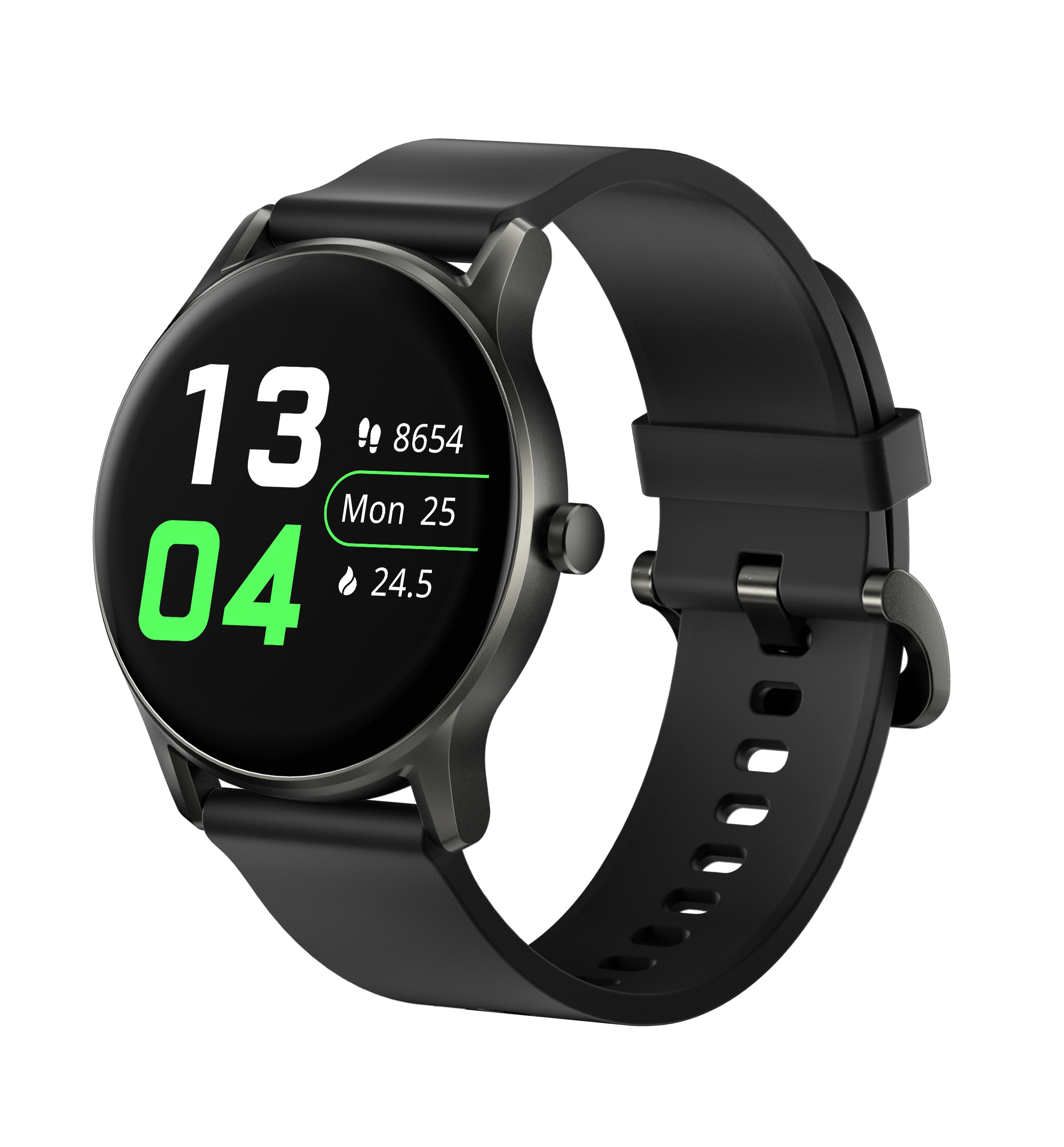
A smart watch launch rarely fails because the hardware was wrong. It fails because the firmware that shipped was not the firmware that was approved, or because the OTA path that worked on the sample bench behaved differently once a few thousand units were in the field. For a purchasing manager, the firmware question is a procurement question: what exactly are you buying, who controls it after delivery, and what evidence do you hold if a review cycle turns hostile. This article sets out the checks that belong in the purchase order, not in a conversation after the first batch lands.
Freeze a firmware version and write it into the contract
Ask the supplier to state the firmware version and build identifier on the sample report, then require that the mass production units carry the same build or a documented successor. A version number alone is weak evidence; a build hash or dated release note is better. If the supplier cannot name the version, they do not control it either. This is the same discipline that applies across the AI wearables line, where each model and hardware revision carries its own document set, and it matters most where the device pairs to a phone.
Decide early whether you are buying a stock build or a white-label one. Under our published policy, firmware or app white-label starts at 2,000 units, while standard MOQ is 500 units and logo branding also starts at 500. If your first order is 800 units, be realistic: you are buying stock firmware with your packaging, not your own app. Buyers who discover this after the tooling deposit is paid tend to have an uncomfortable quarter.
Interrogate the OTA path before you commit
Over-the-air updates are where firmware risk concentrates. Ask where the update server sits, who pays for it after year one, and what happens if the supplier's server is retired. A device that cannot be updated is a device you will be replacing at your own cost. Ask also whether updates are mandatory or user-triggered, whether a failed update bricks the watch, and whether there is a recovery path over USB or a factory reset combination.
Get the answers in writing and test them. A configured sample takes 7-15 days under our sampling policy, which is enough time to run an update, interrupt it deliberately, and see whether the device recovers. Stock samples ship in 3-5 days, and sample cost is credited against mass production, so the test is cheap relative to a recall.
Language packs, pairing and the app dependency
Language packs are a frequent source of launch delay. Confirm which languages are resident on the device, which are app-side only, and whether notifications render correctly in each. A watch that displays German menus but garbles Dutch notification text will generate returns in the Netherlands. Pairing deserves the same scrutiny: test with the phone models your market actually uses, on both iOS and Android, and check whether the app requires an account, a region setting or a permission set that your market will resist.
Google Play and GMS are not licensed by default on Chinese hardware. If your app distribution or watch-face store depends on them, resolve that before launch, not after. The same caution applies across Health & Wellness line devices and the Fitness & Sports line, where companion apps carry most of the user experience.
What the review cycle will actually ask for
Reviewers, marketplace compliance teams and importers ask for documents, not assurances. Certification is a test scope booked per hardware revision with an accredited laboratory, and a firmware change can affect the radio behaviour that was tested. Treat firmware and certification as linked.
| Check | What to request | Why it decides the launch |
|---|---|---|
| Firmware version | Build identifier and dated release note for the approved sample | Proves the shipped build matches what you signed off |
| OTA path | Server ownership, update trigger, recovery method | Determines whether you can fix defects after launch |
| Language packs | On-device versus app-side language list | Drives returns in multilingual markets |
| Pairing | Test matrix of phone models and OS versions | Most support tickets originate here |
| Radio documents | CE RED scope per hardware revision | Firmware changes can invalidate test assumptions |
| Battery documents | UN38.3 test summary and SDS with watt-hour rating | Required for air freight and customs |
| White-label threshold | Written confirmation against your order quantity | Avoids a late change to app ownership |
Where an importer should say no
Walk away from a supplier who will not name the firmware version, who treats OTA as a future feature, or who offers to "adjust" the build after certification without re-testing. Also decline any arrangement where the update server remains under the supplier's sole control with no exit clause. The CE RED document checklist is a useful frame here, because it forces the conversation onto revisions rather than models.
- Confirm the firmware version and build identifier in writing before the deposit.
- Test an interrupted OTA on a configured sample, not on a stock unit.
- Verify language packs on the device, not only in the app.
- Check whether GMS or Google Play is required and who licenses it.
- Match your order quantity against the white-label threshold before promising an app.
The same discipline applies across the range, from the health smartwatch to the GPS sport watch and the smart health ring, where firmware governs what the user sees and what the importer can defend. Health metrics on any of these devices are wellness guidance, never diagnosis, and that distinction belongs in your marketing copy as much as in the manual.
Before you place the order, request a configured sample with the firmware version, OTA behaviour and language list documented, and confirm your quantity against the published thresholds in MOQ, sampling and lead times. Then run one interrupted update yourself. If the device recovers, you have a launch; if it does not, you have found the problem while it is still cheap to fix.
Questions buyers ask
Why does firmware matter more than hardware when sourcing a smart watch from China?
The same board can ship with very different firmware, and the firmware decides pairing stability, battery behaviour and what the companion app actually shows. A buyer who signs off on hardware samples without freezing a firmware version is approving something that may change before mass production.
Can I get the firmware white-labelled?
Yes, firmware and app white-label starts at 2,000 units under our published policy, above the 500-unit standard MOQ. Below that threshold you are buying a stock firmware build with your packaging and logo only.
Related: more on ai wearables · buyer guides · customisation tiers