Retail Packaging Electronics: Two Failure Modes and the Test That Catches Them
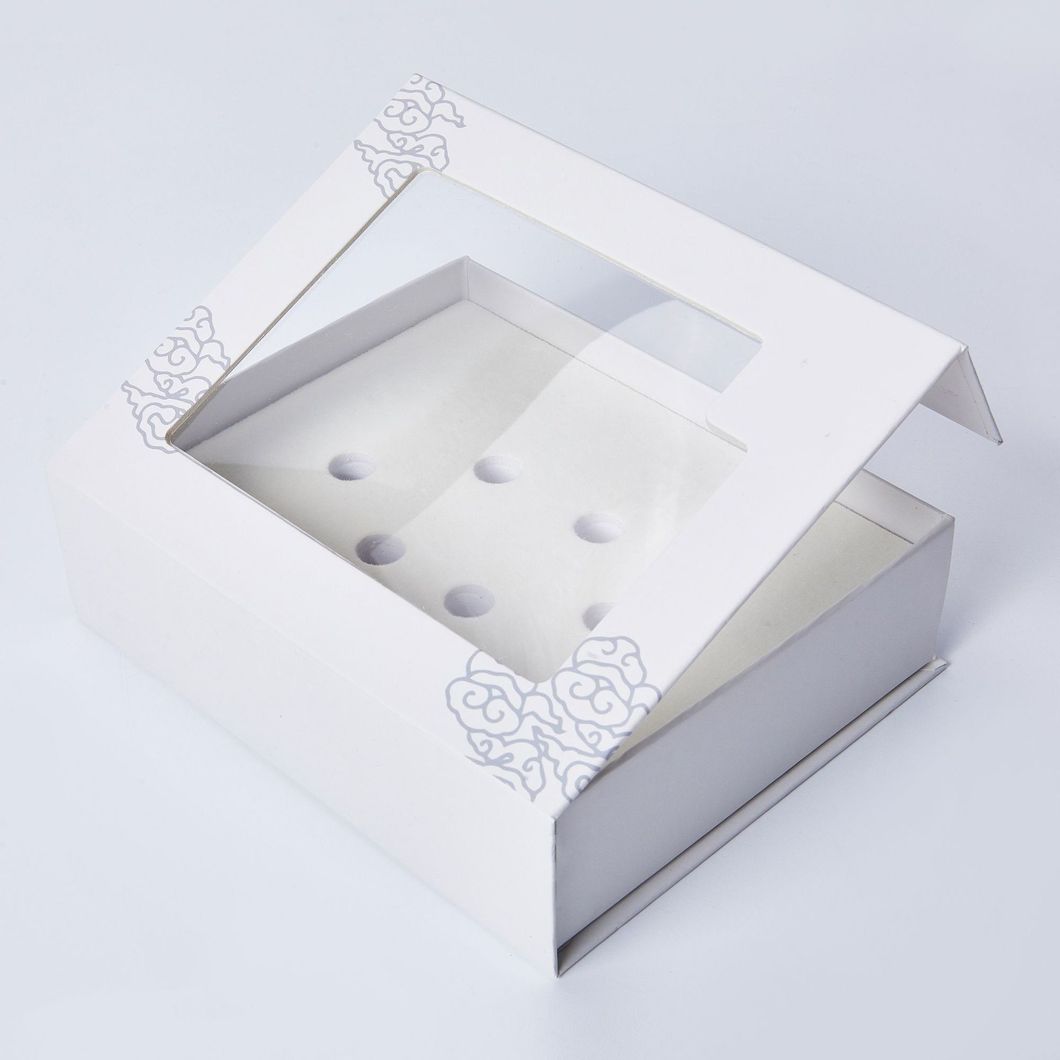
Retail packaging electronics fails in two places, and they are not the same place. A unit that survives a pallet stack can still arrive on a shelf with a crushed corner, and a unit that photographs well in a gift box can still fail a compression test in a sea container. The two failure modes are drop and stack, and the test that catches them is booked before tooling is cut. Buyers who treat packaging as an afterthought discover both problems at the same time, which is the most expensive moment to find them.
Failure mode one: the drop
Drop failure is a packaging geometry problem. A gift box with a rigid outer wall and a loose inner tray lets the product move. The first impact transfers energy through the wall into the device, and the damage appears as a cracked display or a dislodged battery connector. The fix is a retention feature, not more foam. Buyers should ask for a drop test on the packed configuration, not on the bare device, and should specify the drop height and surface in the purchase order. For a health smartwatch or a smart health ring, the retention tray is usually a moulded pulp or thermoformed insert, and the insert is where the tooling cost sits.
Failure mode two: the stack
Compression failure is a logistics problem. Boxes are stacked in a container, and the bottom layer carries the weight of everything above it. A gift box that passes a drop test can still bow under load, and the bow shows as a crease line across the lid. The test is a compression test on the packed carton, and the result should be recorded against the hardware revision. This is also where the blister versus box decision matters. A blister card resists compression well because the card is flat, but it offers less protection against a corner impact. A rigid gift box resists impact well but needs a stronger board grade to resist stack. Buyers should match the format to the channel, not to the brand's preference.
What the test scope should cover
Testing is booked with an accredited laboratory per build, and the scope follows the product and the packaging together. The table below sets out the decision points a buyer should confirm before tooling.
| Decision point | What to confirm | Why it matters |
|---|---|---|
| Drop test | Height, surface and orientation on the packed unit | Catches retention and insert failures |
| Compression test | Load and duration on the packed carton | Catches board grade and lid failures |
| Board grade | Grammage and flute type for the outer carton | Sets stack performance in a container |
| Insert material | Moulded pulp, thermoform or foam | Sets tooling cost and lead time |
| Age grading | Printed age on the packaging | Decides whether toy scope applies |
| Battery documents | UN38.3 and SDS per model | Required for air and sea freight |
Compliance follows the packaging, not the product
A packaging change can move a product into a different compliance scope. The age grading printed on the packaging decides whether toy scope applies, and toy scope is booked with an accredited laboratory per build. If the artwork says a product is for a younger age group, the test scope changes. The same logic applies to skin-contact items, where EN 1811 nickel release testing is booked for the parts that touch skin. Buyers should freeze artwork and age grading before the test scope is booked, because a late artwork change can invalidate the test plan. The documents supplied per model and hardware revision include CE RED, FCC Part 15 B/C, UKCA on request, RoHS 3, REACH SVHC screening, battery UN38.3 and SDS.
Where an importer should say no
An importer should say no to a supplier who quotes packaging tooling without a drop and compression test scope, and no to a supplier who treats the test as a formality after mass production. The test is cheap before tooling and expensive after. An importer should also say no to a quotation that bundles packaging tooling into the unit price without stating the tooling cost separately, because that hides the amortisation across the order. The factory policy on custom packaging tiers sets custom packaging at 1,000 units, so the tooling cost is spread across that volume and should be visible as a line item. The MOQ, sampling and lead times page sets out the sample windows: stock samples in 3-5 days, configured samples in 7-15 days, with sample cost credited against mass production.
- Freeze artwork and age grading before booking the test scope.
- Specify drop height, surface and orientation on the packed unit.
- Specify compression load and duration on the packed carton.
- Confirm board grade and insert material before tooling is cut.
- Keep packaging tooling as a separate line in the quotation.
- Confirm battery UN38.3 and SDS are supplied per model.
Production runs 25-35 days after sample approval, and ODM tooling runs 12-20 weeks, so packaging tooling sits on the critical path. Buyers who want to see how the factory builds and tests can review the factory process, and the product catalogue shows the current formats across wearables, audio and AI devices. The next step is concrete: send the packaging specification, the age grading and the target channel to our team, and ask for a drop and compression test scope quoted alongside the tooling. Buyers who are still comparing formats can review the buyer resources and the journal before the specification is frozen.
Questions buyers ask
Should I choose a blister or a box for a wearable?
It depends on the retail channel and the risk profile. A blister shows the product and resists tampering, while a gift box protects better in transit and supports a premium price point.
Who pays for packaging tooling and artwork?
Tooling and artwork are quoted per project and usually sit with the buyer. The factory policy covers custom packaging from 1,000 units, so tooling cost is amortised across that volume.
Related: more on ai accessories · buyer guides · customisation tiers